
 English
 Français
 русский
 Español
 Deutsch
 عربى
عربى


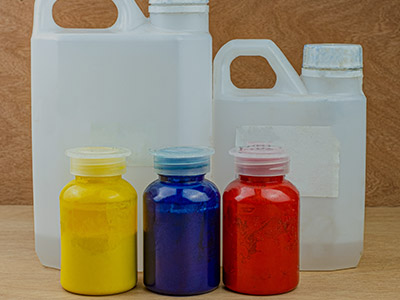

How to Choose the Right Epoxy Insulating Glue for Electrical Applications?
Content
- 1 Why Epoxy Insulating Glue Is Widely Used
- 2 Key Factors to Consider When Selecting Epoxy Insulating Glue
- 3 Matching Epoxy Insulating Glue to Different Applications
- 4 Single-Component vs. Two-Component Systems
- 5 Common Mistakes to Avoid
- 6 Emerging Trends in Electrical Insulation Materials
- 7 How to Evaluate Epoxy Insulating Glue Suppliers
- 8 About Xrun Resin
- 9 Conclusion
- 10 Frequently Asked Questions
- 10.0.1 What is epoxy insulating glue used for?
- 10.0.2 How do I choose the right epoxy insulating glue?
- 10.0.3 Is thermal resistance important for epoxy insulating glue?
- 10.0.4 What is the difference between single-component and two-component epoxy insulating glue?
- 10.0.5 Why is it important to work with professional epoxy insulating glue suppliers?
Electrical equipment is becoming more compact, efficient, and demanding in terms of insulation reliability. From transformers and sensors to motors and electronic assemblies, the performance of insulation materials directly affects operational safety and service life. As a result, selecting suitable epoxy insulating glue has become an important consideration for manufacturers and engineers.
Different electrical environments require different insulation characteristics. Understanding the essential properties and application requirements can help users make better decisions and ensure long-term stability.
Why Epoxy Insulating Glue Is Widely Used
Epoxy insulating glue is a thermosetting material designed to provide electrical insulation, mechanical protection, and environmental resistance. Once cured, it forms a stable structure capable of protecting components against moisture, dust, vibration, and temperature fluctuations.
Common applications include:
- Transformers
- Inductors and coils
- Capacitors
- Printed circuit boards
- Sensors
- High-voltage electrical components
- Industrial control systems
Its dielectric properties and strong adhesion make epoxy insulating glue a preferred solution for many electrical applications.
Key Factors to Consider When Selecting Epoxy Insulating Glue
Choosing the right material involves evaluating several technical factors rather than focusing on a single property.
Electrical Insulation Performance
The primary purpose of epoxy insulating glue is to prevent electrical leakage and ensure safe operation.
Important properties include:
- High dielectric strength
- Low dielectric loss
- Excellent volume resistivity
- Arc resistance
- Tracking resistance
These characteristics help maintain stable insulation even under demanding operating conditions.
Thermal Resistance
Electrical devices often generate heat during operation. Therefore, thermal stability is an essential requirement.
Consider:
| Property | Importance |
|---|---|
| Heat Resistance | Maintains performance at elevated temperatures |
| Thermal Cycling Stability | Prevents cracking caused by repeated temperature changes |
| Low Shrinkage | Reduces internal stress after curing |
| Thermal Conductivity | Helps dissipate heat when required |
For motors, transformers, and power modules, selecting a material with suitable thermal characteristics can improve reliability and extend service life.
Adhesion Strength
Good adhesion ensures that components remain protected even under vibration or mechanical stress.
Epoxy insulating glue should bond effectively to:
- Copper
- Aluminum
- Ferrite cores
- Ceramics
- Plastic housings
- Metal structures
Strong adhesion reduces the possibility of delamination and improves overall durability.
Environmental Resistance
Electrical systems are frequently exposed to harsh environments.
A high-quality epoxy insulating glue should provide resistance to:
- Moisture
- Humidity
- Dust contamination
- Corrosion
- Chemicals
- Aging
These properties are especially important for outdoor electrical equipment and industrial applications.
Viscosity and Flow Characteristics
Different manufacturing processes require different viscosities.
Low Viscosity Materials
Suitable for:
- Potting applications
- Penetrating narrow gaps
- Encapsulation of complex structures
Medium Viscosity Materials
Suitable for:
- Bonding
- Surface coating
- Electronic assembly
High Viscosity Materials
Suitable for:
- Gap filling
- Structural reinforcement
- Vertical applications
Selecting the appropriate flow behavior improves process efficiency and product consistency.
Matching Epoxy Insulating Glue to Different Applications
Different electrical products require different material characteristics.
| Application | Recommended Characteristics |
|---|---|
| Transformers | High dielectric strength and low shrinkage |
| Coils and Inductors | Good penetration and thermal stability |
| Sensors | Low stress and dimensional stability |
| PCB Components | Strong adhesion and moisture resistance |
| High-Voltage Equipment | Excellent insulation and tracking resistance |
| Industrial Electronics | Long-term aging resistance |
Understanding the working conditions of the final product helps ensure the selected epoxy system performs effectively.
Single-Component vs. Two-Component Systems
Both formulations have their advantages.
Single-Component Epoxy Insulating Glue
Advantages:
- Convenient processing
- Stable mixing ratio
- Consistent quality
Suitable for:
- Automated production
- High-volume manufacturing
Two-Component Epoxy Insulating Glue
Advantages:
- Flexible curing conditions
- Adjustable properties
- Excellent mechanical performance
Suitable for:
- Custom applications
- Large encapsulation processes
- Complex electrical assemblies
Common Mistakes to Avoid
Many users focus only on insulation performance while overlooking other important factors.
Choosing Only Based on Cost
Low-cost materials may not provide sufficient durability or environmental resistance, which can result in maintenance issues.
Ignoring Operating Temperature
A material suitable for room temperature may fail under continuous high-temperature conditions.
Overlooking Curing Conditions
Some epoxy systems require specific curing temperatures and times. Compatibility with production processes should be evaluated before selection.
Neglecting Mechanical Stress
Vibration and thermal expansion can cause cracking if the material lacks sufficient flexibility.
Selecting Excessively High Viscosity
Poor flow characteristics may leave air pockets and reduce insulation reliability.
Emerging Trends in Electrical Insulation Materials
The electrical industry is moving toward materials that offer improved performance and processing efficiency.
Current trends include:
- Low-stress epoxy systems
- Fast-curing formulations
- High thermal conductivity materials
- Environmentally friendly solutions
- Flame-retardant insulating adhesives
- Materials for compact and high-power devices
As electrical equipment becomes more sophisticated, insulation materials are expected to provide greater reliability and adaptability.
How to Evaluate Epoxy Insulating Glue Suppliers
Selecting reliable epoxy insulating glue suppliers is equally important as selecting the material itself.
A qualified supplier should offer:
Technical Development Capability
Strong research and development support helps customers obtain customized solutions based on specific requirements.
Stable Production Capacity
Consistent manufacturing ensures reliable product quality and timely supply.
Quality Control Systems
Advanced testing and inspection processes help guarantee material performance and batch consistency.
Application Support
Professional technical assistance can optimize material selection and improve production efficiency.
About Xrun Resin
Shanghai Xrun Resin Co., Ltd. is a professional manufacturer specializing in electrical insulation materials. Xrun Resin focuses on the research and development of epoxy resin and polyurethane insulating glue for electrical facilities.
With decades of experience in the industry, Xrun Resin provides customized insulation solutions designed to meet diverse application requirements.
Why Choose Xrun Resin
| Advantage | Description |
|---|---|
| Customization Capability | Dedicated R&D team capable of developing products according to customer requirements |
| Competitive Cost | Two self-owned production plants support efficient manufacturing and cost advantages |
| Industry Experience | Specialized in electrical epoxy materials since 1999 |
| Quality Assurance | Equipped with advanced inspection equipment and professional testing facilities |
As one of the experienced epoxy insulating glue suppliers, Xrun Resin continuously focuses on material innovation and product quality to support the evolving needs of the electrical industry.
Conclusion
Selecting the right epoxy insulating glue requires a comprehensive understanding of electrical performance, thermal resistance, adhesion, environmental durability, viscosity, and processing requirements. Different applications demand different material characteristics, making proper evaluation essential for long-term reliability. In addition, choosing experienced epoxy insulating glue suppliers can provide valuable technical support and ensure consistent product quality.
Frequently Asked Questions
What is epoxy insulating glue used for?
Epoxy insulating glue is widely used for encapsulation, bonding, and protection of electrical components such as transformers, coils, sensors, and circuit boards. It provides insulation and environmental protection.
How do I choose the right epoxy insulating glue?
Selection should consider electrical insulation performance, operating temperature, viscosity, adhesion, curing conditions, and environmental resistance according to the intended application.
Is thermal resistance important for epoxy insulating glue?
Yes. Good thermal stability helps maintain insulation performance and prevents cracking or degradation during long-term operation.
What is the difference between single-component and two-component epoxy insulating glue?
Single-component systems offer convenient processing and are suitable for automated production, while two-component systems provide greater flexibility and customizable properties.
Why is it important to work with professional epoxy insulating glue suppliers?
Professional suppliers can provide stable product quality, technical support, customized solutions, and reliable manufacturing capabilities, helping ensure the performance and longevity of electrical equipment.
Contact
Tel: +86-21-54943138
Phone:
Sales Ricky:+86-136 1183 0385
Sales Jason:+86-186 1635 6961E-mail: [email protected]
[email protected]
[email protected]
Get Connected
Copyright © Shanghai Xrun Resin Co., Ltd. All rights reserved. Privacy Custom Epoxy Resin Systems Suppliers
