
 English
 Français
 русский
 Español
 Deutsch
 عربى
عربى




Features Outdoor flame retardant V0 Note Compl...
Search
Glass transition temperature
- 60-70℃
- 70-80℃
- 80-90℃
- 90-100℃
- 100-110℃
- 110-120℃
- 120-130℃
- 130-140℃
- 140-150℃
- 150-160℃
- 160-170℃
- 170-180℃
- 180-190℃
Application
- Indoor and outdoor switches
- Transformers
- Mutual inductors
- For outdoor electrical insulation
Classification
- Epoxy insulating glue
- --Flame-Retardant Epoxy Resin Systems
Characteristics
- Flame retardant
Hot Products
Flame-Retardant Epoxy Resin Systems Manufacturers
-
-
Characteristics Flame retardant 6mmV0, thermal conduc...
-
Features Halogen-free, flame-retardant 3mm V0, red ...
-
Features Halogen-free, flame retardant 6mmV0 Note...
-
Features Complies with GA/T537-2005 fire safety stand...
-
Features 6mm V0 Note RoHS and REACH compliant ...
-
Features 6mm V0 Note RoHS and REACH compliant ...
-
Features 3mm V0 Note RoHS and REACH compliant ...
-
Features 4mm V0 Note RoHS and REACH compliant ...
-
Characteristics Flame retardant 12mmV0 Note Co...
● Flame-retardant epoxy resin systems
● Meeting the standards of UL94 and EN45545-2
● Suitable for insulators, conduits, solid switches, busbars and transformers
| Epoxy Materials | Ratio | TG | Characteristics | Remark |
| HE-2852A/B/X12 | 100/85/450 | >100 | 12mm Grade V0, Halogen-Free | EN45545-2 |
| HE-701A/B/X12 | 100/100/320 | ≥105 | 4mm Grade V0 | RoHS, REACH |
| HE-702A/B/X12 | 100/100/320 | >105 | 3mm Grade V0 | RoHS, REACH |
| HE-7036A/B/X12 | 100/100/380 | >100 | 6mm Grade V0 | RoHS, REACH |
| HE-7016A/B/X12 | 100/100/380 | >90 | Flammability@6mm Grade V0 | RoHS, REACH |
| HW-7017A/B/X12 | 100/100/320 | >60 | Conform To GA/T537-2005 | RoHS, REACH |
| HE-702-6A/B/HC-7216R/X12 | 100/100/45/380 | ≥105 | Halogen-Free, 6mm Grade V0 | EN45545-2 |
| HE-702-3A/B/HC-7023B/X12 | 100/100/40/380 | >105 | Halogen-Free, 3mm Grade V0 | EN45545-2 |
| HW-3957A/B | 100/100 | >105 | 6mm Grade V0, >1.5W/M.K | EN45545-2 |
| HW-5078FA/B | 100/100 | >90 | Outdoor, Flammability Grade V0 | EN45545-2 |
The auxiliaries like coloring agent, filler and so on can influence flame-retardant property, their mixing ratio should be based on the fumula.
News Updates
Follow news and information to stay informed about industry trends
-
2026-10-15
Why the Supplier You Choose Determines Insulation Performance Electrical insulation is not a commodity purchase. A transformer that fails after two years, a GIS spacer that cracks under thermal cycling, or an FRP rod that delaminates under load all trace back to one decision made months earlier: wh...
-
2026-10-09
A transformer casting can pass a visual inspection and still fail partial discharge testing months later, and the reason is often hidden inside one process variable that nobody wrote down: the viscosity of the mixed resin at the moment it entered the mold. Voids that never escaped, glass cloth that...
-
2026-10-01
The 80% Rule: A Load Limit Backed by Insulation Physics The 80% rule for transformers states that a transformer should not carry a continuous load above 80% of its rated capacity. Push past that line and the unit is no longer considered healthily loaded. Windings run hotter, insulation ages faster,...
About Xrun Resin
Founded on Sept.9th,1999, Xrun is a professional company of electrical insulation materials. As China Flame-Retardant Epoxy Resin Systems Manufacturers, we can offering Custom Flame-Retardant Epoxy Resin Systems for transformers, GIS, switchgear, and cable accessories. With the advantage of speciality, Xrun focuses on R&D of epoxy resin and polyurethane insulating glue as well as the production, serving for electrical facilities. There are two factories(located in Jiading District & Songjiang District in Shanghai, China) and an R&D Institute. With more than 100 employees, it adopts automatic production and digital management. So far, Xrun has supplied the market with more than 180 thousand tons of epoxy materials for electrical insulation. As a company in the field, Xrun has undertaken several national projects of the domestication of new epoxy materials for electrical insulation.
1999
“ From this year “
CERTIFIED BY
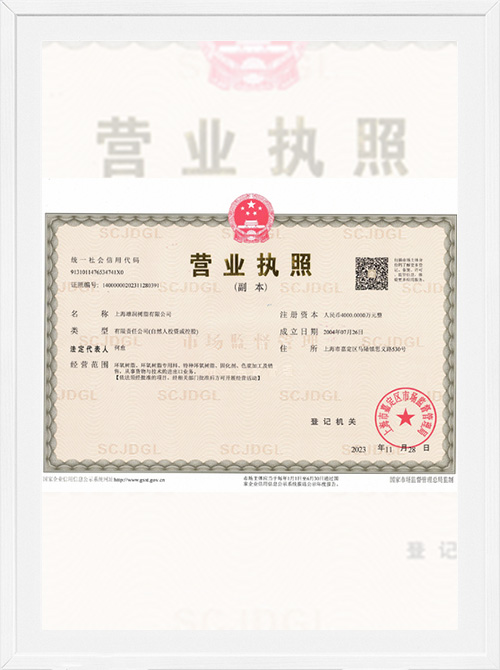
Certifications
INDUSTRY KNOWLEDGE
Industry Knowledge
What happens to flame retardant epoxy when exposed to direct fire?
Introduction to Flame Retardant Epoxy Resin
Flame retardant epoxy resin is a type of thermosetting polymer specifically engineered to resist ignition and inhibit the spread of fire. Its primary application lies in electrical insulation components, such as insulators, conduits, solid switches, busbars, and transformers. Epoxy flame retardant materials are designed to meet stringent safety standards such as UL94 and EN45545-2, ensuring that they provide reliable fire resistance in demanding applications. The performance of these materials is influenced not only by the resin and hardener system but also by the type and ratio of auxiliaries, such as fillers and coloring agents. These additives can significantly affect flammability and thermal stability. Understanding how flame retardant epoxy resin behaves under direct fire exposure is critical for both safety and engineering design.
Thermal Behavior Under Direct Fire
When flame retardant epoxy resin is exposed to direct fire, the material undergoes a complex thermal decomposition process. Initially, the polymer matrix softens and releases water, carbon dioxide, or other inert gases depending on the flame retardant system used. This process absorbs heat, which helps slow the temperature rise in the material. Subsequently, the resin begins to char, forming a protective carbonaceous layer that acts as a barrier between the flame and the underlying material. This char layer is crucial for preventing flame propagation and limiting heat transfer. The effectiveness of this mechanism depends on the type of epoxy system, its glass transition temperature (TG), and the thickness of the applied layer. For example, materials like HE-2852A/B/X12, with a TG greater than 100°C, provide enhanced fire resistance at 12mm thickness with halogen-free Grade V0 classification, meeting EN45545-2 standards.
Performance Standards and Classification
Epoxy flame retardant systems are tested according to international standards to ensure consistent fire resistance. UL94 tests classify materials based on their ability to self-extinguish after ignition, while EN45545-2 focuses on railway applications, assessing smoke density, toxicity, and heat release. Flame-retardant epoxy systems like HE-701A/B/X12, HE-702A/B/X12, and HW-3957A/B meet Grade V0 requirements, indicating that they can resist ignition and prevent flame propagation for defined thicknesses. These materials also conform to RoHS and REACH directives, ensuring that they are environmentally safe. The table below summarizes the key epoxy systems, their ratios, TG values, characteristics, and relevant standards.
| Epoxy Materials | Ratio | TG (°C) | Characteristics | Remark |
|---|---|---|---|---|
| HE-2852A/B/X12 | 100/85/450 | >100 | 12mm Grade V0, Halogen-Free | EN45545-2 |
| HE-701A/B/X12 | 100/100/320 | ≥105 | 4mm Grade V0 | RoHS, REACH |
| HE-702A/B/X12 | 100/100/320 | >105 | 3mm Grade V0 | RoHS, REACH |
| HE-7036A/B/X12 | 100/100/380 | >100 | 6mm Grade V0 | RoHS, REACH |
| HW-3957A/B | 100/100 | >105 | 6mm Grade V0, >1.5W/M.K | EN45545-2 |
| HW-5078FA/B | 100/100 | >90 | Outdoor, Flammability Grade V0 | EN45545-2 |
Mechanisms of Fire Resistance
Flame retardant epoxy resin provides fire resistance through multiple mechanisms. First, chemical flame retardants release non-combustible gases that dilute oxygen concentration around the polymer. Second, the physical char layer formed during burning acts as a thermal barrier, reducing heat transfer and protecting underlying layers. Third, some epoxy systems contain halogen-free flame retardants, minimizing toxic gas emissions during combustion. Epoxy flame retardant systems like HE-702-6A/B/HC-7216R/X12 exhibit halogen-free properties and maintain V0 flammability ratings at 6mm thickness, providing both safety and environmental compliance. Proper formulation and additive ratio are essential for optimizing these protective mechanisms, ensuring consistent fire performance in electrical and industrial applications.
Applications in Electrical Insulation
The superior fire-resistant properties of flame retardant epoxy resin make it ideal for high-voltage and critical electrical components. It is widely applied in insulators, busbars, solid switches, transformers, and conduits, where electrical insulation must be maintained even under fire exposure. For instance, HE-7016A/B/X12 is specifically designed for 6mm thickness and exhibits V0 flammability characteristics, providing reliable protection for electrical installations. Furthermore, epoxy flame retardant materials are used in environments requiring compliance with both UL94 and EN45545-2 standards, including railway and industrial applications. This ensures that components remain operational and safe during thermal stress or accidental fire events.
Company Expertise and Contribution
Founded on Sept.9th,1999, Shanghai Xrun Resin Co., Ltd. is a professional company of electrical insulation materials. With a focus on R&D and production of epoxy resin and polyurethane insulating glue, Xrun serves a wide range of electrical facilities. Over 30 years of expertise in epoxy resin has enabled the company to participate in numerous national projects and develop high-performance flame retardant epoxy resin systems for medium and high voltage equipment. Xrun operates two factories in Shanghai, equipped with automatic production lines for resin, hardener, filler, and auxiliary materials, ensuring consistent quality and meeting the needs of various customers. The company's commitment to green manufacturing is evident as both factories are fully covered by photovoltaic power systems, supporting sustainable production practices.
Considerations for Material Selection
When selecting a flame retardant epoxy resin for electrical applications, several factors must be considered. Thickness and TG value directly influence fire resistance, while the ratio of resin, hardener, and auxiliaries affects the material’s thermal and mechanical stability. Environmental regulations, such as RoHS and REACH compliance, must also be taken into account to ensure the material is safe for use in consumer and industrial products. Moreover, the intended application—whether for indoor or outdoor use, or for high-voltage equipment—determines the appropriate epoxy system. For example, HW-5078FA/B is optimized for outdoor applications, maintaining Grade V0 flammability and long-term durability under harsh conditions.
Maintenance and Long-Term Fire Safety
Proper installation and maintenance of components made from epoxy flame retardant are crucial for long-term fire safety. Periodic inspection of insulating materials, adherence to thickness specifications, and avoiding contamination with incompatible substances can prolong fire resistance. The inclusion of auxiliary materials, such as fillers or colorants, should strictly follow formulation guidelines to prevent degradation of flame retardant properties. Xrun’s strong R&D and testing capabilities allow for the customization of epoxy systems to match the exact requirements of electrical components, ensuring both compliance with safety standards and optimal performance over time.
Conclusion
In conclusion, flame retardant epoxy resin exhibits significant resilience when exposed to direct fire due to its thermal decomposition, char formation, and gas release mechanisms. By selecting appropriate epoxy systems and adhering to industry standards, engineers can ensure safety and reliability in electrical applications. Companies like Shanghai Xrun Resin Co., Ltd. provide comprehensive solutions, from production to R&D, enabling the development of high-performance, environmentally compliant, and cost-effective epoxy flame retardant materials suitable for various electrical and industrial environments. Understanding the behavior of these materials under fire exposure is essential for protecting both equipment and human life.
Frequently Asked Questions (FAQ)
Q1: What is the difference between flame retardant epoxy resin and regular epoxy resin?
A1: Flame retardant epoxy resin contains additives and specialized formulations that resist ignition and inhibit the spread of fire, unlike regular epoxy resin, which may ignite and propagate flames under high temperatures.
Q2: How does thickness affect the fire resistance of epoxy flame retardant materials?
A2: Thicker layers of epoxy flame retardant materials generally provide improved fire resistance, as they maintain structural integrity longer and form a more substantial char layer during exposure to fire.
Q3: Are halogen-free flame retardant epoxy resins safer for the environment?
A3: Yes, halogen-free systems reduce the release of toxic and corrosive gases during combustion, making them safer for both the environment and human health.
Q4: Can flame retardant epoxy resin be used for outdoor electrical components?
A4: Yes, certain formulations such as HW-5078FA/B are specifically designed for outdoor applications, providing high flammability resistance and durability against environmental stressors.
Q5: How does Shanghai Xrun Resin ensure the quality of its flame retardant epoxy resins?
A5: Xrun employs automatic production lines, advanced testing laboratories, and strict digital management to ensure the consistent quality of all epoxy flame retardant materials produced, meeting both domestic and international standards.
Message Us Right Now!
Contact
Tel: +86-21-54943138
Phone:
Sales Ricky:+86-136 1183 0385
Sales Jason:+86-186 1635 6961E-mail: [email protected]
[email protected]
[email protected]
Get Connected
Copyright © Shanghai Xrun Resin Co., Ltd. All rights reserved. Privacy Flame-Retardant Epoxy Resin Systems Factory
