
 English
 Français
 русский
 Español
 Deutsch
 عربى
عربى




Characteristics Pre-filled, high mechanical strength,...
Search
Form of matter
- Solid state
- Liquid state
- Adjustable Formula
Glass transition temperature
- 100-110℃
- 110-120℃
- 120-130℃
- 130-140℃
- 140-150℃
Craft
- APG
- Vacuum casting
Application
- Curing at room temperature
Classification
- Epoxy insulating glue
- --Epoxy Resin Systems For HV Products
Characteristics
- Good electromechanical properties
- High TG
Hot Products
High Voltage(1100 KV)Epoxy Resin Material Manufacturers
-
-
Characteristics Pre-filled, high mechanical strength,...
-
Characteristics Pre-filled, high mechanical strength,...
-
Characteristics High mechanical strength, excellent e...
-
Characteristics High TG, rapid prototyping, high mech...
-
Characteristics High TG, rapid prototyping, high mech...
-
Characteristics High mechanical strength, excellent e...
-
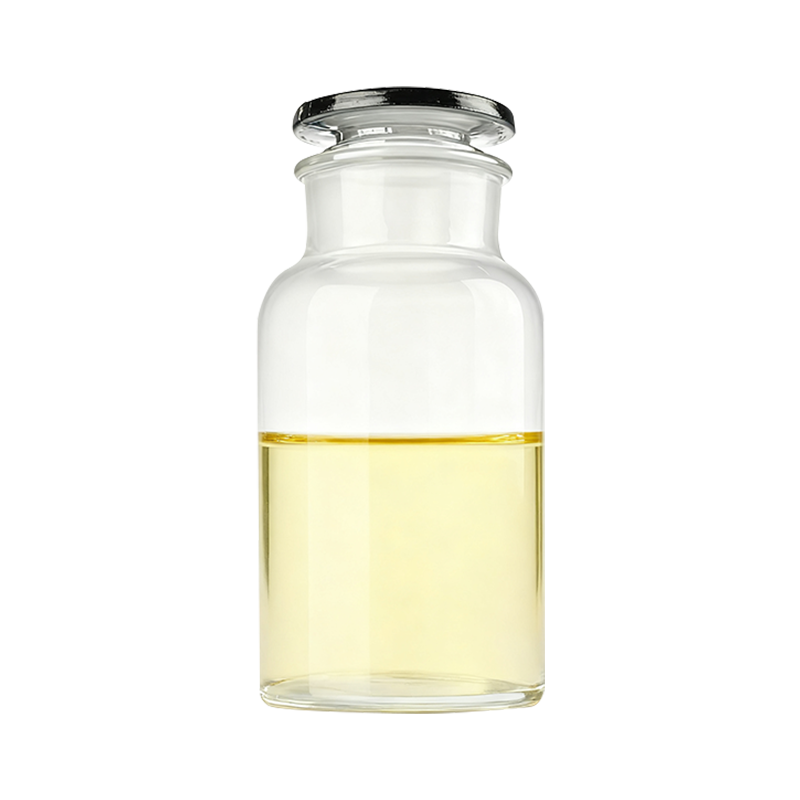
Product Description Glass transition temperature of 1...
High-voltage GIS switch insulating parts, high-voltage cable joint epoxy insulating parts, high-voltage GIL three-pole insulators and other key components of high-voltage electrical equipment. The structural characteristics of these parts are formed by embedding or integrating metal conductors in epoxy resin, and they mainly operate in the insulating SF6 gas environment.
They need to withstand multiple sources of stress: mechanical loads from conductor weight, equipment mechanical forces, pressure of insulating gas and electrodynamic forces, thermal stress caused by current or environmental temperature changes, and natural environmental resonance, etc. High electric field intensity, discharge arcs and strong acid decomposition of arc insulation gas can cause damage. The high-temperature curing of epoxy resin generates shrinkage stress, and the thermal expansion coefficients of epoxy resin and the materials of the embedding or embedded parts are different, resulting in internal stress in the epoxy insulating structural components. The epoxy resin material used for the insulation of high-voltage electrical equipment must have excelent multi-dimensional comprehensive performance such as mechanical, electrical, thermal and chemical properties, and it must achieve near-zero risk management.
XRUN has already established a complete system of high-voltage epoxy resins. According to the supply form, they are divided into three systems: solid epoxy resins, liquid epoxy resins, and composite epoxy with pre-added fillers. According to the application processing, it can be divided into two systems: vacuum casting process and APG process. According to the type of fillers, it is divided into alumina and silica oxide systems. According to the TG value, it is classified into three categories, namely the range of 100-130°C, 130-150°C and above 150°C.
Solid epoxy resins for HV electrical applications
| Formula | tg(℃) | Application process |
| HE-411/HH-411/FG3 | 105-120 | Vacuum casting process |
| HE-412/HH-106/FG3 | 105-120 | Vacuum casting process |
| HE-412L/HH-4902/FG3 | 115-130 | Vacuum casting process |
| HE-4112/HH-4112/FG3 | 115-130 | Vacuum casting process |
| HE-4861/HH-4861/FG3 | 130-145 | Vacuum casting process |
| HE-2150A/B/FG3 | 150-165 | Vacuum casting process |
Note: FG3 is a alumina filler
Liquid epoxy resin for HV electrical applications
| Formula | tg(℃) | Application process |
| HE-428/HH-428/FG3 | 110-125 | Vacuum casting process, APG process |
| HE-4815/HH-4815/FG3 | 105-120 | Vacuum casting process, APG process |
| HE-428T/HH-428T/FG3 | 100-115 | Vacuum casting process, APG process |
| HW-428A/B, prefilled | 110-125 | Vacuum casting process, APG process |
| HW-4285A/B, prefilled | 130-145 | Vacuum casting process, APG process |
| HW-4150A/B, prefilled | 150-165 | Vacuum casting process, APG process |
Note: FG3 is a alumina filler
News Updates
Follow news and information to stay informed about industry trends
-
2026-10-15
Why the Supplier You Choose Determines Insulation Performance Electrical insulation is not a commodity purchase. A transformer that fails after two years, a GIS spacer that cracks under thermal cycling, or an FRP rod that delaminates under load all trace back to one decision made months earlier: wh...
-
2026-10-09
A transformer casting can pass a visual inspection and still fail partial discharge testing months later, and the reason is often hidden inside one process variable that nobody wrote down: the viscosity of the mixed resin at the moment it entered the mold. Voids that never escaped, glass cloth that...
-
2026-10-01
The 80% Rule: A Load Limit Backed by Insulation Physics The 80% rule for transformers states that a transformer should not carry a continuous load above 80% of its rated capacity. Push past that line and the unit is no longer considered healthily loaded. Windings run hotter, insulation ages faster,...
About Xrun Resin
Founded on Sept.9th,1999, Xrun is a professional company of electrical insulation materials. As China High Voltage(1100 KV)Epoxy Resin Material Manufacturers, we can offering Custom Epoxy Resin For HV Electrical for transformers, GIS, switchgear, and cable accessories. With the advantage of speciality, Xrun focuses on R&D of epoxy resin and polyurethane insulating glue as well as the production, serving for electrical facilities. There are two factories(located in Jiading District & Songjiang District in Shanghai, China) and an R&D Institute. With more than 100 employees, it adopts automatic production and digital management. So far, Xrun has supplied the market with more than 180 thousand tons of epoxy materials for electrical insulation. As a company in the field, Xrun has undertaken several national projects of the domestication of new epoxy materials for electrical insulation.
1999
“ From this year “
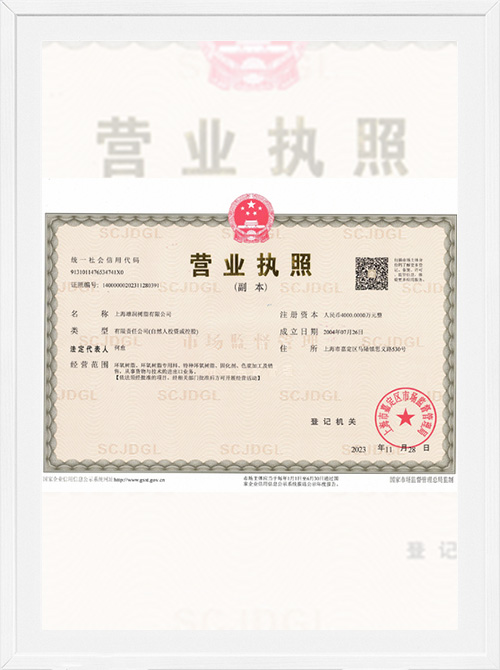
CERTIFIED BY
Certifications
INDUSTRY KNOWLEDGE
Industry Knowledge
High-Voltage Epoxy Nanocomposites for 1100 kV Equipment: Core Technical Requirements & Process Challenges
Shanghai Xrun Resin Co., Ltd., a professional leader in electrical insulation, specializes in R&D and production of epoxy resin systems for HV products. With two Shanghai-based factories (Jiading & Songjiang) boasting >50,000 tons/year capacity, automatic production lines, and a dedicated R&D Institute, Xrun has supplied >180,000 tons of epoxy materials. As a key player in national epoxy domestication projects, its 100% photovoltaic-powered green factories set the benchmark for high-voltage insulation innovation.
1. Filler Selection: Al₂O₃ vs. SiO₂ Nanoparticles for 1100 kV Epoxy Composites
For 1100 kV ultra-high voltage (UHV) equipment, epoxy composites demand exceptional dielectric strength, thermal conductivity, and partial discharge resistance. Key technical requirements include:
- High thermal conductivity (≥2.5 W/m·K) to dissipate heat from large-scale bushings and spacers.
- Low dielectric loss (tan δ ≤ 0.002 at 50 Hz) to minimize energy dissipation under high electric fields.
- Enhanced breakdown strength (≥30 kV/mm) for reliable long-term insulation.
Al₂O₃ (alumina) and SiO₂ (silica) nanoparticles are prime candidates. Below is a comparative parameter table:
| Parameter | Al₂O₃ Nanoparticles | SiO₂ Nanoparticles |
| Particle size (typical) | 30-80 nm | 20-50 nm |
| Thermal conductivity (W/m·K) | 30-36 (bulk), composite ~2.8-3.2 | 1.3-1.5 (bulk), composite ~1.8-2.2 |
| Dielectric constant (1 MHz) | ~9-10 | ~3.8-4.2 |
| Surface reactivity | Moderate (needs silane coupling) | High (easily functionalized) |
| Breakdown strength enhancement | +25-35% at 5-7 wt% | +30-40% at 3-5 wt% |
| Partial discharge resistance | Excellent (high thermal stability) | Good (better interface bonding) |
Process challenge: Nanoparticle agglomeration. For 1100 kV, uniform dispersion is critical. Shanghai Xrun Resin Co., Ltd. uses proprietary three-roll milling and ultrasonic-assisted mixing to achieve ≤50 nm agglomerate size. Uncontrolled agglomeration raises local field stress by >50%, leading to premature failure.
2. Curing Agent Ratio: Controlling Crosslinking Density & Dielectric Properties
Common curing agents for UHV epoxy include anhydrides (e.g., methylhexahydrophthalic anhydride) and amines. Stoichiometric ratio (epoxy:hardener) directly impacts free volume, glass transition temperature (Tg), and high-field conductivity.
- Optimal ratio range: 0.85:1 to 1.05:1 (epoxy equivalent weight to hardener active hydrogen).
- Target Tg: 130-150°C (for 1100 kV operating at 90-110°C).
- Volume resistivity: >1×10¹⁵ Ω·cm at 25°C, >1×10¹³ Ω·cm at 100°C.
Shanghai Xrun Resin Co., Ltd. employs automatic digital mixing lines ensuring ±0.5% ratio accuracy. Deviations >2% cause:
- Under-curing (low hardener): Tg drops to <110°C, increasing leakage current by 3-5×.
- Over-curing (excess hardener): brittle matrix with microcracks, reducing breakdown strength by 20%.
Key challenge: Nanoparticles alter cure kinetics. Al₂O₃ surfaces accelerate anhydride reactions, requiring cure cycle adjustment (lower post-cure temperature from 160°C to 140°C, extend time by 2 hours). SiO₂ may inhibit cure if not properly silanized; unmodified SiO₂ reduces crosslink density by 15-20%.
3. Process Challenges in 1100 kV Epoxy Nanocomposite Manufacturing
Beyond formulation, industrial-scale production poses unique hurdles:
- Moisture control: Nanoparticles adsorb moisture (up to 2-3% wt). Prior to mixing, Shanghai Xrun Resin Co., Ltd. dries fillers at 120°C for 8 hours under vacuum, achieving <200 ppm residual H₂O. Excess moisture causes voids (detected by ultrasonic scanning) and reduces breakdown strength by >30%.
- Viscosity management: Adding 5-10 wt% nanoparticles increases resin viscosity from 300 mPa·s to 800-1200 mPa·s at 80°C. This demands heated transfer lines (90°C) and vacuum-assisted casting to avoid trapped air.
- Thermal mismatch stress: CTE (coefficient of thermal expansion) mismatch between epoxy (50-60 ppm/K) and Al₂O₃ (7 ppm/K) induces interfacial stress. Optimized filler grading (bimodal distribution: 70% 50 nm + 30% 500 nm) reduces stress by 40%.
Shanghai Xrun Resin Co., Ltd. has overcome these via automatic production lines for resin, hardener, filler, and auxiliaries, with real-time rheology monitoring. Their two factories, fully covered by photovoltaic power, ensure sustainable, high-quality output for national UHV projects.
FAQ
Q1: What makes Shanghai Xrun Resin Co., Ltd. qualified to supply epoxy materials for 1100 kV equipment?
A: With over 180,000 tons of epoxy materials supplied, two Shanghai factories (Jiading & Songjiang) producing >50,000 tons/year, automatic production lines, and an R&D Institute, Shanghai Xrun Resin Co., Ltd. has undertaken national projects for epoxy domestication. Both factories are 100% photovoltaic-powered, aligning with green manufacturing.
Q2: How does Shanghai Xrun Resin Co., Ltd. handle nanoparticle dispersion for 1100 kV epoxy composites?
A: We use proprietary three-roll milling and ultrasonic-assisted mixing, achieving ≤50 nm agglomerates. Combined with digital management of filler-to-resin ratios, our epoxy resin systems for HV products deliver >30 kV/mm breakdown strength and <0.002 tan δ at 50 Hz.
Q3: Can Shanghai Xrun Resin Co., Ltd. customize curing agent ratios for specific 1100 kV applications?
A: Yes. Our automatic production lines allow precise epoxy:hardener ratios from 0.85:1 to 1.05:1, with ±0.5% accuracy. We also adjust cure cycles (e.g., lowering post-cure temperature to 140°C for Al₂O₃-filled systems) to maintain Tg at 130-150°C and volume resistivity >1×10¹⁵ Ω·cm.
Key Dielectric Properties Required for Epoxy Resin For HV Electrical Applications Above 800 kV
For ultra-high voltage (UHV) applications above 800 kV, Epoxy Resin For HV Electrical must meet stringent dielectric requirements to ensure safe and reliable operation of bushings, spacers, and transformers. Shanghai Xrun Resin Co., Ltd., a professional leader in electrical insulation, has supplied over 180,000 tons of epoxy materials and undertaken national projects for epoxy domestication. With two green factories (Jiading & Songjiang) fully powered by photovoltaics and an R&D Institute, Xrun excels in formulating high-performance epoxy resin systems for HV products.
1. High Dielectric Strength (Breakdown Strength)
At ≥800 kV, localized field stress can exceed 3-5 kV/mm. The epoxy must withstand >30 kV/mm (AC) without failure.
- Requirement: ≥32 kV/mm for 800 kV, ≥35 kV/mm for 1100 kV.
- Challenge: Nanoparticle agglomeration reduces strength. Shanghai Xrun Resin Co., Ltd. achieves uniform dispersion via automatic three-roll milling.
2. Low Dielectric Loss (tan δ)
High tan δ causes dielectric heating and thermal runaway. For UHV, tan δ at 50 Hz and 90°C must be ≤0.002.
- Value target: tan δ ≤ 0.0015 (25°C), ≤0.002 (100°C).
- Xrun advantage: Proprietary filler-curing agent matching reduces polar groups.
3. High Volume Resistivity
Leakage current must be minimized to avoid partial discharge (PD).
- Requirement: >1×10¹⁵ Ω·cm at 25°C, >1×10¹³ Ω·cm at 100°C.
- Comparative table: Standard vs. UHV-grade epoxy
| Property | Standard Epoxy (≤245 kV) | UHV Epoxy (>800 kV, Xrun Grade) |
|---|---|---|
| Volume resistivity at 25°C | 1×10¹⁴ Ω·cm | ≥5×10¹⁵ Ω·cm |
| Volume resistivity at 100°C | 5×10¹² Ω·cm | ≥2×10¹³ Ω·cm |
| Dielectric strength (AC, 1mm) | 20-25 kV/mm | ≥35 kV/mm |
| tan δ at 100°C (50 Hz) | 0.005-0.008 | ≤0.002 |
4. High Partial Discharge (PD) Inception Voltage
PD inception voltage (PDIV) must exceed 1.5× rated voltage. For 800 kV, PDIV > 1200 kV peak.
- Key factor: Homogeneous filler dispersion and low void content (<0.1% by volume).
- Process control: Xrun's automatic production lines and digital management maintain vacuum casting below 50 Pa.
5. Excellent Tracking and Erosion Resistance
Under polluted conditions, high-voltage tracking resistance (IEC 60587) is critical. Minimum 1A 4.5 kV level required.
- Requirement: Pass 6 kV at 0.5% NH₄Cl solution, time to failure >360 min.
- Xrun solution: Optimized Al₂O₃/ SiO₂ hybrid filler system.
6. High Thermal Conductivity for Heat Dissipation
Above 800 kV, ohmic and dielectric losses generate heat. Thermal conductivity ≥2.0 W/m·K is mandatory to avoid hot spots.
- Target: 2.5-3.0 W/m·K for filled systems.
- Comparison: Neat epoxy ~0.2 W/m·K; Xrun UHV grade (with 65 vol% Al₂O₃) reaches 2.8 W/m·K.
FAQ
Q1: How does Shanghai Xrun Resin Co., Ltd. ensure consistent dielectric properties for Epoxy Resin For HV Electrical above 800 kV?
A: With over 100 employees, automatic production lines for resin, hardener, filler, and auxiliaries, and a dedicated R&D Institute, Shanghai Xrun Resin Co., Ltd. controls every batch. Our two factories (Jiading & Songjiang) produce >50,000 tons/year, and we have supplied >180,000 tons of epoxy materials. Both factories are 100% covered by photovoltaic power, supporting green manufacturing.
Q2: What specific epoxy formulations does Shanghai Xrun Resin Co., Ltd. recommend for UHV applications above 800 kV?
A: We recommend our epoxy resin systems for HV products, featuring nano-Al₂O₃ or SiO₂ fillers with anhydride curing agents. These achieve >35 kV/mm breakdown strength, tan δ ≤0.002, and volume resistivity >5×10¹⁵ Ω·cm. Our R&D Institute tailors ratios for your specific voltage class.
Q3: Has Shanghai Xrun Resin Co., Ltd. participated in national UHV projects using Epoxy Resin For HV Electrical?
A: Yes. Shanghai Xrun Resin Co., Ltd. has undertaken several national projects for the domestication of new epoxy materials for electrical insulation. Our epoxy systems are deployed in 800 kV and 1100 kV demonstration lines, with proven performance in PD resistance and thermal stability.
Message Us Right Now!
Contact
Tel: +86-21-54943138
Phone:
Sales Ricky:+86-136 1183 0385
Sales Jason:+86-186 1635 6961E-mail: [email protected]
[email protected]
[email protected]
Get Connected
Copyright © Shanghai Xrun Resin Co., Ltd. All rights reserved. Privacy Epoxy Resin For HV Electrical Factory
