
 English
 Français
 русский
 Español
 Deutsch
 عربى
عربى




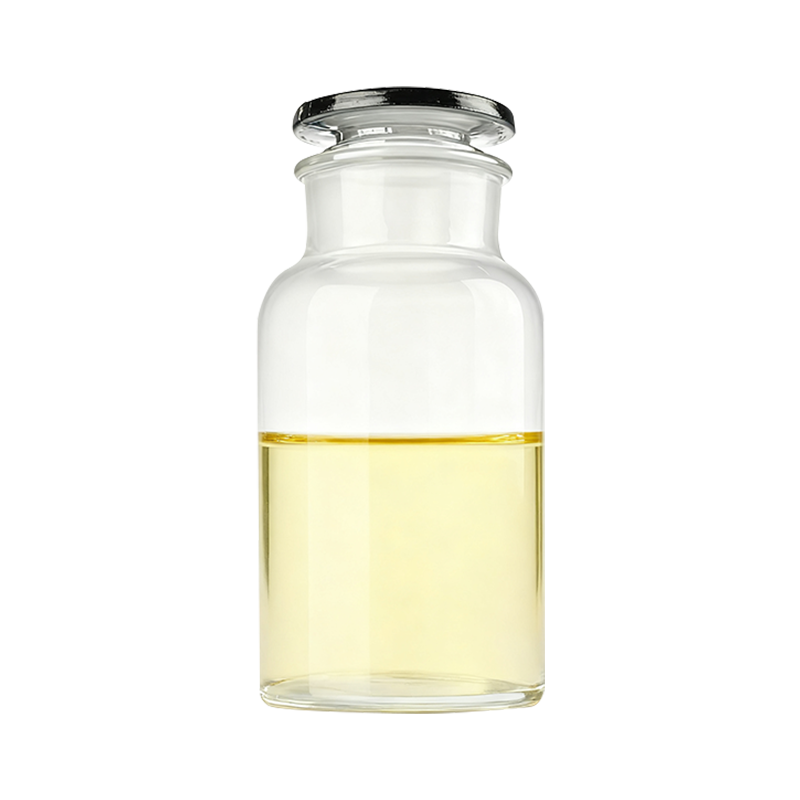
High-voltage GIS switch insulating parts, high-voltage cable...
Search
Product Category
Hot Products
Electrical epoxy resin Suppliers
-

-

Dry-type transformers are manufactured by embedding coils an...
-
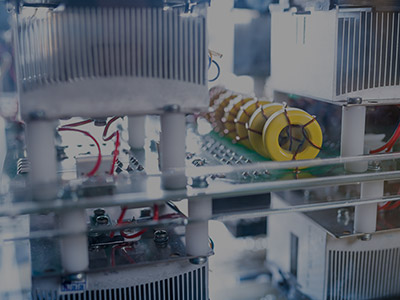
Epoxy resins for medium-and high-voltage switches are mainly...
-
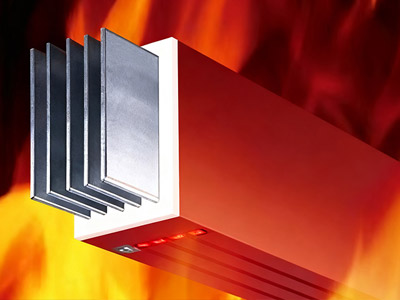
● Flame-retardant epoxy resin systems● Meeting the standards...
-

High thermal conductivity epoxy resin suffers from poor proc...
-
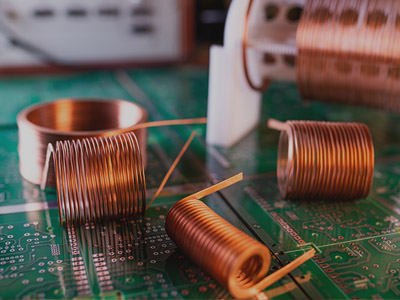
The structural characteristic of an instrument transformer i...
-

The room-temperature curing epoxy resin system is mainly use...
-

Xrun Outdoor Epoxy Resin System comes with a complete range ...
-
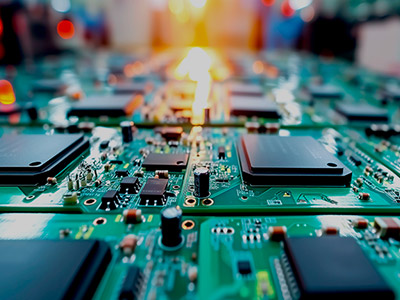
Low viscosity, good fluidity & wettability; high tg, exc...
-

Xrun modifies epoxy resin through molecular structure design...
-

A complete range of models, excellent fluidity and process v...
News Updates
Follow news and information to stay informed about industry trends
-
2026-10-15
Why the Supplier You Choose Determines Insulation Performance Electrical insulation is not a commodity purchase. A transformer that fails after two years, a GIS spacer that cracks under thermal cycli...
-
2026-10-09
A transformer casting can pass a visual inspection and still fail partial discharge testing months later, and the reason is often hidden inside one process variable that nobody wrote down: the viscos...
-
2026-10-01
The 80% Rule: A Load Limit Backed by Insulation Physics The 80% rule for transformers states that a transformer should not carry a continuous load above 80% of its rated capacity. Push past that line...
-
2026-09-24
If you are sourcing potting materials for transformer manufacturing or repair, understanding the relationship between "epoxy resin" and "casting resin" directly impacts your cost structure, manufact...
About Xrun Resin
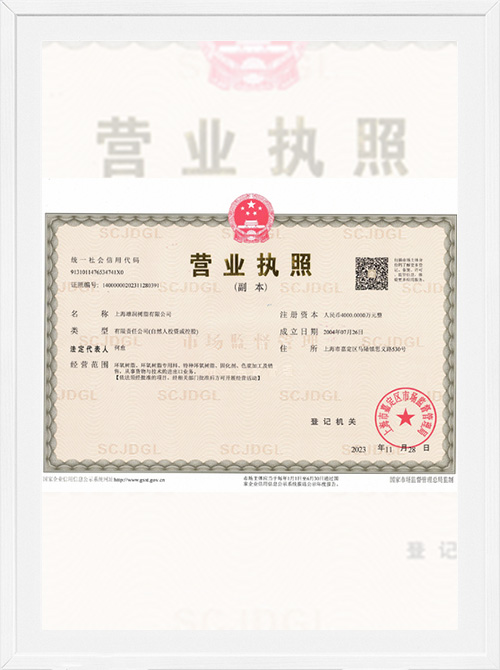
Founded on Sept.9th,1999, Xrun is a professional company of electrical insulation materials. As Electrical epoxy resin Suppliers, we can offering Wholesale Electrical epoxy resin for transformers, GIS, switchgear, and cable accessories. With the advantage of speciality, Xrun focuses on R&D of epoxy resin and polyurethane insulating glue as well as the production, serving for electrical facilities. There are two factories(located in Jiading District & Songjiang District in Shanghai, China) and an R&D Institute. With more than 100 employees, it adopts automatic production and digital management. So far, Xrun has supplied the market with more than 180 thousand tons of epoxy materials for electrical insulation. As a company in the field, Xrun has undertaken several national projects of the domestication of new epoxy materials for electrical insulation.
1999
“ From this year “
CERTIFIED BY
Certifications
INDUSTRY KNOWLEDGE
Industry Knowledge
How to Compare Different Types of Electrical Epoxy Resin?
Selecting the right electrical epoxy resin is one of the most important decisions in electrical insulation manufacturing. Different resin systems are engineered for different operating environments, voltage levels, processing methods, and mechanical requirements. Whether the application involves transformers, switchgear, sensors, bushings, or electronic components, understanding the differences between resin types helps manufacturers improve product performance, production efficiency, and service life.
Modern electrical insulation materials must deliver excellent dielectric strength, thermal stability, moisture resistance, and mechanical durability. However, not every epoxy resin for electrical insulation offers the same balance of properties. Comparing formulations from a technical perspective allows engineers and procurement professionals to select materials that match both manufacturing processes and long-term operating conditions.
Why Is Electrical Epoxy Resin So Important?
Electrical systems operate under continuous electrical, thermal, and environmental stress. Insulation materials must not only prevent electrical leakage but also protect sensitive components from moisture, dust, vibration, chemicals, and temperature fluctuations.
A high-quality electrical epoxy resin performs several critical functions:
- Provides excellent electrical insulation
- Protects components from environmental contamination
- Increases mechanical strength
- Enhances dimensional stability
- Improves heat resistance
- Extends equipment service life
What Are the Main Types of Electrical Epoxy Resin?
Electrical epoxy resin can be classified according to its intended manufacturing process and end-use application.
| Resin Type | Primary Function | Typical Applications | Main Advantages |
|---|---|---|---|
| Casting Epoxy Resin | Fill large insulation structures | Transformers, CT/PT, insulators | High mechanical strength, excellent dielectric properties |
| Potting Epoxy Resin | Encapsulate electronic assemblies | Sensors, PCB modules, connectors | Moisture protection, vibration resistance |
| Encapsulation Epoxy Resin | Protect sensitive components | Electronic devices, power modules | Compact insulation, environmental sealing |
| Vacuum Casting Resin | Vacuum processing | Medium and high-voltage equipment | Low void formation, stable insulation |
| High-Temperature Epoxy Resin | Thermal insulation | Motors, generators, industrial equipment | Superior thermal endurance |
Although these materials belong to the same epoxy family, their curing behavior, viscosity, flexibility, thermal performance, and electrical properties differ significantly.
Which Performance Factors Should Be Compared?
Instead of focusing only on price, engineers should evaluate several key technical characteristics.
1. Electrical Insulation Performance
The primary purpose of electrical epoxy resin is insulation.
Important indicators include:
- Dielectric strength
- Volume resistivity
- Surface resistivity
- Dielectric constant
- Insulation stability over time
High-performance insulation resins maintain consistent electrical performance even after long-term exposure to humidity and temperature changes.
2. Thermal Resistance
Electrical equipment often operates continuously under elevated temperatures.
When comparing resin systems, consider:
- Heat resistance
- Glass transition temperature (Tg)
- Thermal aging stability
- Long-term operating temperature
Applications involving transformers, motors, and power electronics typically require higher thermal grades.
3. Mechanical Properties
Electrical insulation materials also serve as structural protection.
Key mechanical properties include:
- Compressive strength
- Tensile strength
- Flexural strength
- Impact resistance
- Dimensional stability
For heavy electrical equipment, mechanical durability directly influences long-term reliability.
4. Processing Characteristics
Manufacturing efficiency depends greatly on resin processability.
Factors include:
| Property | Importance |
|---|---|
| Viscosity | Influences mold filling and bubble release |
| Pot Life | Determines available processing time |
| Cure Speed | Affects production efficiency |
| Shrinkage | Reduces internal stress after curing |
| Flowability | Improves complex mold filling |
Manufacturers should select formulations compatible with their existing production equipment and curing process.
5. Environmental Resistance
Electrical products frequently encounter harsh operating environments.
A quality electrical insulation epoxy resin should provide:
- Moisture resistance
- Chemical resistance
- Corrosion resistance
- UV stability (when applicable)
- Aging resistance
These characteristics help maintain insulation integrity throughout the product lifecycle.
How Do Different Resin Systems Compare?
The following comparison provides a practical overview.
| Comparison Item | Standard Resin | High-Performance Resin |
|---|---|---|
| Electrical Insulation | Good | Excellent |
| Heat Resistance | Medium | High |
| Mechanical Strength | Good | Excellent |
| Moisture Resistance | Standard | Superior |
| Chemical Resistance | Moderate | Excellent |
| Processing Stability | Good | Excellent |
| Service Life | Long | Longer under demanding conditions |
Selecting the appropriate material depends on actual operating requirements rather than choosing the highest specification for every application.
Which Applications Require Different Electrical Epoxy Resin?
Different industries prioritize different performance characteristics.
| Industry | Recommended Focus |
|---|---|
| Power Transformers | Electrical insulation, thermal stability |
| Current & Voltage Transformers | Precision casting, dimensional stability |
| Switchgear | Arc resistance, dielectric performance |
| Sensors | Low shrinkage, moisture protection |
| Electronic Modules | Potting performance, heat dissipation compatibility |
| Renewable Energy Equipment | Weather resistance, long-term reliability |
| Industrial Motors | Thermal endurance and mechanical strength |
Understanding the operating environment is often more important than selecting a resin solely by specification sheet.
How Does Material Formulation Affect Performance?
The performance of electrical epoxy resin depends not only on the base resin but also on the complete formulation.
A typical insulation system may include:
- Epoxy resin
- Hardener
- Reactive diluent
- Fillers
- Coupling agents
- Toughening modifiers
- Additives for process control
Each ingredient influences curing behavior, insulation performance, mechanical strength, and production efficiency. Well-balanced formulations achieve consistent quality while reducing defects such as cracking, internal stress, and void formation.
Why Manufacturing Quality Matters
Even an advanced resin formulation requires strict manufacturing control.
Reliable suppliers generally emphasize:
- Stable raw material sourcing
- Precise formulation management
- Complete laboratory testing
- Batch consistency
- Comprehensive quality inspection
- Technical support for application optimization
Consistent production standards help manufacturers reduce process variation and improve finished product reliability.
About Xrun Resin
Shanghai Xrun Resin Co., Ltd. is a professional manufacturer specializing in electrical insulation materials, with a strong focus on electrical epoxy resin and polyurethane insulating glue. Since its establishment in 1999, the company has concentrated on research, development, manufacturing, and technical innovation for electrical insulation applications.
Xrun Resin operates two self-owned production plants with an annual production capacity of 100,000 tons, enabling stable supply for projects of different scales. The company also maintains its own testing laboratory equipped with advanced inspection equipment to ensure consistent product quality.
Its product portfolio covers a full range of epoxy materials, including auxiliary materials required for various electrical manufacturing processes. Supported by an experienced R&D team, Xrun provides customized material development according to customer requirements while serving global markets including Europe, America, Southeast Asia, and other international regions.
Located approximately 30 kilometers from Shanghai Port, the company also benefits from efficient international logistics, helping customers achieve timely deliveries worldwide.
How Should Buyers Choose the Right Electrical Epoxy Resin?
Before making a purchasing decision, consider the following checklist:
- Identify the operating voltage and insulation requirements.
- Evaluate thermal and environmental conditions.
- Match resin viscosity with the production process.
- Consider curing cycle and manufacturing efficiency.
- Verify long-term mechanical and electrical performance.
- Review supplier testing capabilities and quality consistency.
- Confirm customization support for specialized applications.
Selecting the appropriate electrical epoxy resin requires balancing electrical performance, manufacturing efficiency, durability, and overall lifecycle value rather than relying on a single specification.
Conclusion
Different types of electrical epoxy resin are designed to solve different insulation challenges. Casting resins, potting compounds, encapsulation materials, and vacuum casting systems each provide distinct advantages depending on equipment design and operating conditions.
By comparing electrical insulation performance, thermal stability, mechanical strength, processing characteristics, and environmental resistance, manufacturers can make informed material selections that improve reliability, reduce maintenance requirements, and extend equipment service life. Working with experienced suppliers that offer stable production, comprehensive testing, and customization capabilities further ensures consistent performance across a wide range of electrical applications.
FAQ
1. What is the primary purpose of electrical epoxy resin?
Electrical epoxy resin provides electrical insulation while protecting components against moisture, chemicals, vibration, and mechanical stress.
2. What is the difference between casting resin and potting resin?
Casting resin is typically used for larger electrical insulation structures such as transformers, while potting resin is designed to encapsulate smaller electronic assemblies and components.
3. Which properties are most important when selecting electrical epoxy resin?
Key factors include dielectric strength, thermal resistance, mechanical strength, viscosity, curing behavior, moisture resistance, and long-term reliability.
4. Can electrical epoxy resin be customized for different applications?
Yes. Different formulations can be developed to meet specific processing methods, thermal requirements, insulation performance, and environmental conditions.
5. Why is quality control important for electrical epoxy resin?
Strict quality control ensures consistent curing performance, stable electrical insulation properties, reliable mechanical strength, and batch-to-batch consistency, helping manufacturers maintain product reliability over the long term.
Message Us Right Now!
Contact
Tel: +86-21-54943138
Phone:
Sales Ricky:+86-136 1183 0385
Sales Jason:+86-186 1635 6961E-mail: [email protected]
[email protected]
[email protected]
Get Connected
Copyright © Shanghai Xrun Resin Co., Ltd. All rights reserved. Wholesale Electrical epoxy resin Company
