
 English
 Français
 русский
 Español
 Deutsch
 عربى
عربى




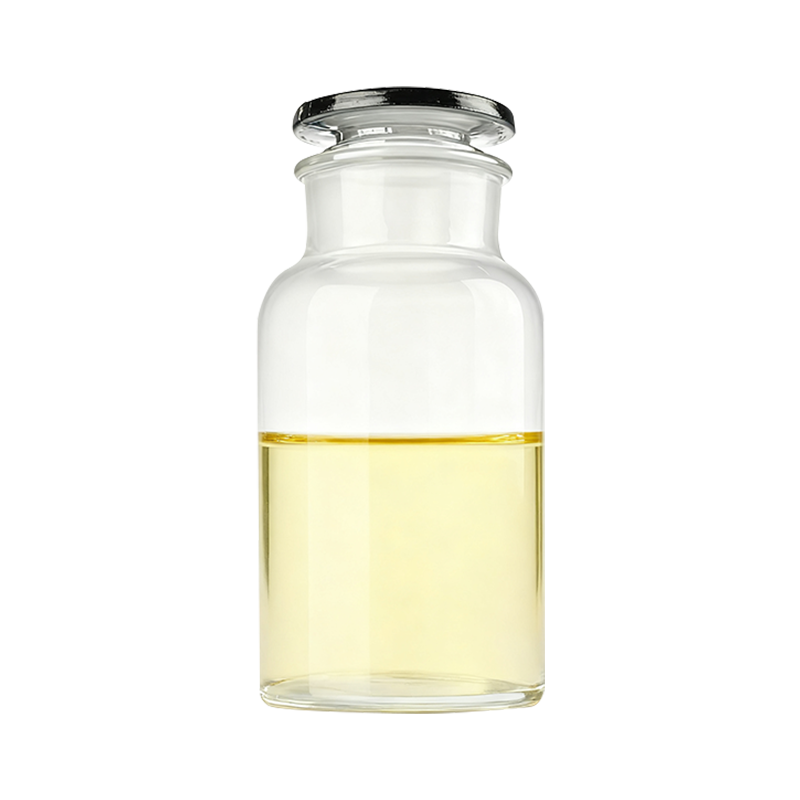
Characteristics UV resistance, dirt resistance, moist...
Search
Form of matter
- Adjustable Formula
Glass transition temperature
- 60-70℃
- 70-80℃
- 80-90℃
- 90-100℃
- 100-110℃
- 110-120℃
- 120-130℃
- 130-140℃
Craft
- APG
- Vacuum casting
Application
- For outdoor electrical insulation
Classification
- Epoxy insulating glue
- --Epoxy Resin Systems for Outdoor Electrical Insulation
Characteristics
- Low viscosity
- High crack resistance
- UV resistance
- Fithy resistance
- Crack-resistant
- Flame retardant
Hot Products
Outdoor Electrical Insulation Epoxy Manufacturers
-
-
Characteristics UV resistance, dirt resistance, moist...
-
Characteristics UV resistance, dirt resistance, moist...
-
Characteristics UV resistance, dirt resistance, moist...
-
Characteristics UV-resistant, dirt-resistant, moistur...
-
Characteristics UV resistance, dirt resistance, moist...
-
Characteristics UV resistance, dirt resistance, moist...
-
Characteristics UV resistance, dirt resistance, moist...
-
Characteristics UV, dirt, and moisture resistance ...
Xrun Outdoor Epoxy Resin System comes with a complete range of specifications and models. It possesses pollution resistance, moisture resistance, salt spray resistance, superior mechanical and electrical properties, high crack resistance, and ultra-low temperature resistance(-65°C), etc.
| Product model &ratio | Tg | Characteristics | Application process | Applications |
| HE-5079/HH-5079/X13=100/90/350 | 105-120 | Low viscosity, UV resistance, fithy resistance | Vacuum casting、APG | Outdoor insulators |
| HE-5072/HH-5072/X13=100/80/320 | 70-80 | Low viscosity, UV resistance, fithy resistance, very good crack resistance | Vacuum casting、APG | Outdoor insulators, CT&PT |
| HE-5078A/HE-5078B/X13=100/100/350 | 90-105 | Low viscosity, UV resistance, fithy resistance, good crack resistance | Vacuum casting、APG | Outdoor insulators |
| HE-5272/HH-5272/13=100/100/300 | 60-70 | Low viscosity, UV resistance, fithy resistance, excellent crack resistance | Vacuum casting、APG | Outdoor insulators, CT& PT, embedded poles |
| HW-5078A/HW-5078B=100/100 | 95-110 | Prefilled, UV resistance, fithy resistance, excellent crack resistance | Vacuum casting、APG | Outdoor insulators, CT & PT, embedded poles |
| HW-5075A/HW-5075B=100/100 | 120-135 | Prefilled, UV resistance, fithy resistance, excellent crack resistance | Vacuum casting、APG | Outdoorinsulators, embedded poles |
| HW-5080A/HW-5080B=100/100 | 100-120 | Prefilled, UV resistance, fithy resistance, excellent crack resistance | Vacuum casting、APG | Outdoor insulators, embedded poles |
| HW-5076A/HW-5076B=100/100 | 130-145 | Prefilled, UV resistance, fithy resistance, excellent crack resistance | Vacuum casting、APG | Outdoor insulators, embedded poles |
| HW-5180A/HW-5180B=100/100 | 110-125 | Prefilled, UV resistance, fithy resistance, excellent crack resistance | Vacuum casting、APG | Outdoor insulators, embedded poles |
News Updates
Follow news and information to stay informed about industry trends
-
2026-10-15
Why the Supplier You Choose Determines Insulation Performance Electrical insulation is not a commodity purchase. A transformer that fails after two years, a GIS spacer that cracks under thermal cycling, or an FRP rod that delaminates under load all trace back to one decision made months earlier: wh...
-
2026-10-09
A transformer casting can pass a visual inspection and still fail partial discharge testing months later, and the reason is often hidden inside one process variable that nobody wrote down: the viscosity of the mixed resin at the moment it entered the mold. Voids that never escaped, glass cloth that...
-
2026-10-01
The 80% Rule: A Load Limit Backed by Insulation Physics The 80% rule for transformers states that a transformer should not carry a continuous load above 80% of its rated capacity. Push past that line and the unit is no longer considered healthily loaded. Windings run hotter, insulation ages faster,...
About Xrun Resin
Founded on Sept.9th,1999, Xrun is a professional company of electrical insulation materials. As China Outdoor Electrical Insulation Epoxy Manufacturers, we can offering Custom Outdoor Electrical Epoxy Resin for transformers, GIS, switchgear, and cable accessories. With the advantage of speciality, Xrun focuses on R&D of epoxy resin and polyurethane insulating glue as well as the production, serving for electrical facilities. There are two factories(located in Jiading District & Songjiang District in Shanghai, China) and an R&D Institute. With more than 100 employees, it adopts automatic production and digital management. So far, Xrun has supplied the market with more than 180 thousand tons of epoxy materials for electrical insulation. As a company in the field, Xrun has undertaken several national projects of the domestication of new epoxy materials for electrical insulation.
1999
“ From this year “
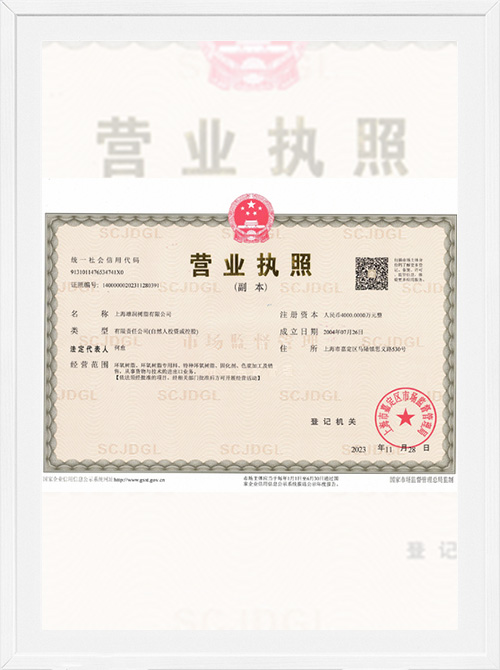
CERTIFIED BY
Certifications
INDUSTRY KNOWLEDGE
Industry Knowledge
The Weathering Demands That Define Outdoor Electrical Insulation Epoxy
Epoxy-cast electrical insulation components installed outdoors — insulators, instrument transformers, embedded poles, and switchgear housings — operate in an environment that systematically attacks the resin matrix in ways that indoor installations do not. Understanding the degradation mechanisms helps engineers specify the correct outdoor electrical insulation epoxy from the outset rather than discovering material inadequacy through field failures.
UV radiation is the primary surface degradation driver. Ultraviolet photons break the aromatic ring structures in standard bisphenol-A epoxy resins, causing chalking, surface roughening, and progressive loss of hydrophobicity. On high-voltage insulators, a roughened surface retains more moisture and pollution, increasing leakage current and accelerating tracking. UV-resistant epoxy formulations mitigate this through resin chemistry modifications — typically incorporating cycloaliphatic or aliphatic epoxy components with greater UV stability than standard bisphenol-A systems.
Pollution and salt spray create conductive surface layers that redistribute electric field stress and initiate dry-band arcing on insulator creepage surfaces. Resistance to pollution accumulation and easy self-cleaning under rainfall are therefore functional requirements, not cosmetic ones. Thermal cycling imposes the third major stress: in continental or high-altitude climates, diurnal temperature swings of 50 °C or more apply repeated thermomechanical strain to the cast body and the metal hardware embedded within it, driving crack initiation at stress concentrations over thousands of cycles.
Ultra-Low Temperature Resistance and Crack Performance Down to −65 °C
For most industrial epoxy applications, low-temperature performance means surviving occasional cold snaps without fracture. For outdoor high-voltage insulation, it means sustained mechanical integrity at −65 °C — the lower bound specified for equipment deployed in severe continental, subarctic, or high-altitude grid environments. At these temperatures, the differential thermal contraction between the epoxy matrix and embedded copper, aluminum, or steel components generates tensile stresses that can exceed the fracture toughness of inadequately formulated resins.
Crack resistance at low temperature is not simply a function of Tg. A high-Tg resin is stiffer and more brittle at sub-zero conditions; a well-toughened system with a moderate Tg may outperform it in thermal shock resistance. The relationship between filler loading, resin flexibility, and fracture toughness (KIc) must therefore be optimized together. Prefilled two-component systems — where silica filler is pre-incorporated into one or both components — streamline this optimization for the end user by delivering a factory-controlled filler ratio that has already been characterized for CTE compatibility with metal inserts.
The Tg range across outdoor-grade formulations spans roughly 60 °C to 145 °C, reflecting the diversity of applications from embedded-pole circuit breakers operating in moderate climates to high-Tg insulator castings for equipment subject to sustained elevated temperatures from electrical loading combined with solar gain. Specifiers should evaluate both the lower service temperature limit and the upper continuous operating temperature when shortlisting systems.
Prefilled vs. Unfilled Systems: Process and Quality Implications
Outdoor electrical epoxy resin systems are available in two supply formats — user-filled (where the manufacturer supplies resin, hardener, and filler separately for on-site blending) and prefilled (where filler is pre-incorporated into the supplied components). The choice between them affects process control, consistency, and the capital requirements of the casting operation.
- Three-component systems (resin / hardener / filler): Allow the caster to adjust filler loading within a validated range to tune viscosity, exotherm, and CTE to specific mold geometries or seasonal temperature variations. They require accurate weighing and thorough dispersion of filler, with batch-to-batch consistency dependent on the operator's process discipline. Suitable for high-volume casting operations with dedicated mixing equipment.
- Prefilled two-component systems: Filler is homogeneously incorporated into one or both components at the factory under controlled conditions, eliminating on-site filler handling, reducing weighing errors, and delivering consistent dielectric and mechanical properties across every batch. They simplify process qualification and reduce the risk of filler segregation during storage. Preferred for operations where process simplicity and batch-to-batch consistency outweigh the need for filler ratio flexibility.
Both formats are compatible with vacuum casting and APG manufacturing routes for outdoor insulators and embedded poles. Xrun's outdoor electrical epoxy resin range includes both three-component and prefilled systems, with the prefilled portfolio covering Tg values from 95 °C to 145 °C to address the full thermal envelope of outdoor HV equipment.
Application Coverage: Insulators, CT/PT, and Embedded Poles
Outdoor epoxy casting systems must be validated for specific component types because each imposes a distinct combination of stress, geometry, and electrical field distribution. Three major application families dominate the outdoor HV epoxy market.
Outdoor Insulators
Post insulators, suspension insulators, and bushing insulators rely on the cast epoxy body for both mechanical load-bearing and creepage distance. The ribbed or shed profile of an outdoor insulator concentrates UV exposure and pollution on the surface; UV-resistant, pollution-repellent surface chemistry is therefore the primary selection criterion, alongside the fracture toughness required to survive wind loading and vandalism impacts over a 30-year service life.
Outdoor CT and PT (Instrument Transformers)
Current and voltage transformers installed on outdoor switchgear or overhead line structures combine the outdoor weathering demands of insulators with the internal thermomechanical stresses of encapsulating wound coils and iron cores. Systems applied to outdoor CT/PT must therefore satisfy both UV and pollution resistance requirements and the crack resistance criteria associated with differential CTE between epoxy and metal conductors — a more demanding combined specification than either application class alone.
Embedded Poles
Embedded-pole circuit breakers encapsulate the entire switching mechanism — contacts, arc chamber, and operating mechanism — within a single epoxy body. The casting must maintain dimensional stability and mechanical integrity through hundreds of thousands of switching operations generating internal pressure pulses, while simultaneously providing outdoor-grade environmental protection. High-Tg prefilled systems with excellent crack resistance and UV stability are the standard material class for this application, with Tg values typically above 110 °C to withstand the thermal load from combined ambient and switching-generated heat. With over 25 years of focus on electrical insulation epoxy and participation in national-level material domestication programs, Xrun brings deep application engineering experience to embedded-pole casting specifications.
Message Us Right Now!
Contact
Tel: +86-21-54943138
Phone:
Sales Ricky:+86-136 1183 0385
Sales Jason:+86-186 1635 6961E-mail: [email protected]
[email protected]
[email protected]
Get Connected
Copyright © Shanghai Xrun Resin Co., Ltd. All rights reserved. Privacy Outdoor Electrical Epoxy Resin Factory
