
 English
 Français
 русский
 Español
 Deutsch
 عربى
عربى




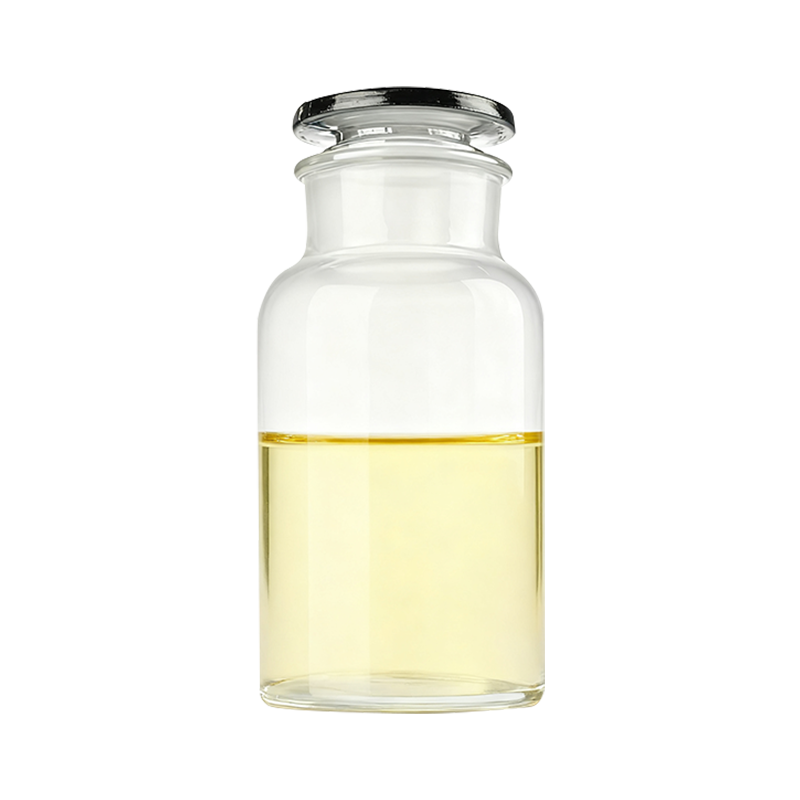
Characteristics Flame retardant V0 Applications ...
Search
Glass transition temperature
- 80-90℃
- 90-100℃
- 100-110℃
- 110-120℃
- 120-130℃
- 130-140℃
- 140-150℃
- 150-160℃
- 160-170℃
- 170-180℃
- 180-190℃
Craft
- Impregnation
Classification
- Epoxy insulating glue
- --Epoxy Resin Systems for Electric Composite
Characteristics
- Low viscosity
- High TG
- Flame retardant
Hot Products
Epoxy Composite Resin Suppliers For Insulation
-

-

Characteristics Low viscosity, high glass transition ...
-

Characteristics Low viscosity, high glass transition ...
-

Characteristics High glass transition temperature ...
-

Characteristics Low viscosity, high glass transition ...
-

Characteristics Low viscosity Applications Win...
-

Characteristics Low viscosity Applications Win...
-

Characteristics Low viscosity Applications Win...
Low viscosity, good fluidity & wettability; high tg, excellent mechanical and electrical properties
| Epoxy | Curing agent | Characteristics | Tg | Application process | Applications |
| HE-3022A | HE-3022B | Low viscosity & wettability | 100-125 | Wingding, extrusion drawing, impregnation | FRP rods, tubes, plates |
| HE-3025A | HE-3025B | Low viscosity & wettability | 125-135 | Wingding, extrusion drawing, impregnation | FRP rods, tubes, plates |
| HE-3026A | HE-3026B | Low viscosity & wettability | 120-130 | Wingding, extrusion drawing, impregnation | FRP rods, tubes, plates |
| HE-3023A | HE-3023B | Low viscosity & wettability, high tg | 140-155 | Wingding, extrusion drawing, impregnation | FRP rods, tubes, plates |
| HE-3066A | HE-3066B | Low viscosity & wettability, high tg | 160-175 | Wingding, extrusion drawing, impregnation | FRP rods, tubes, plates |
| HE-3067A | HE-3067B | Low viscosity & wettability, high tg | 170-190 | Wingding, extrusion drawing, impregnation | FRP rods, tubes, plates |
| HE-3301A | HE-3301B | Low viscosity & wettability | 80-100 | Wingding, extrusion drawing, impregnation | FRP rods, tubes, plates |
| HE-3373A | HE-3373B | Low viscosity & wettability, antiflaming VO | 110-125 | Wingding, extrusion drawing, impregnation | FRP rods, tubes, plates |
News Updates
Follow news and information to stay informed about industry trends
-
2026-10-15
Why the Supplier You Choose Determines Insulation Performance Electrical insulation is not a commodity purchase. A transformer that fails after two years, a GIS spacer that cracks under thermal cycling, or an FRP rod that delaminates under load all trace back to one decision made months earlier: wh...
-
2026-10-09
A transformer casting can pass a visual inspection and still fail partial discharge testing months later, and the reason is often hidden inside one process variable that nobody wrote down: the viscosity of the mixed resin at the moment it entered the mold. Voids that never escaped, glass cloth that...
-
2026-10-01
The 80% Rule: A Load Limit Backed by Insulation Physics The 80% rule for transformers states that a transformer should not carry a continuous load above 80% of its rated capacity. Push past that line and the unit is no longer considered healthily loaded. Windings run hotter, insulation ages faster,...
About Xrun Resin
Founded on Sept.9th,1999, Xrun is a professional company of electrical insulation materials. As China Epoxy Composite Resin Suppliers For Insulation, we can offering Custom Epoxy Insulating Materials for transformers, GIS, switchgear, and cable accessories. With the advantage of speciality, Xrun focuses on R&D of epoxy resin and polyurethane insulating glue as well as the production, serving for electrical facilities. There are two factories(located in Jiading District & Songjiang District in Shanghai, China) and an R&D Institute. With more than 100 employees, it adopts automatic production and digital management. So far, Xrun has supplied the market with more than 180 thousand tons of epoxy materials for electrical insulation. As a company in the field, Xrun has undertaken several national projects of the domestication of new epoxy materials for electrical insulation.
1999
“ From this year “
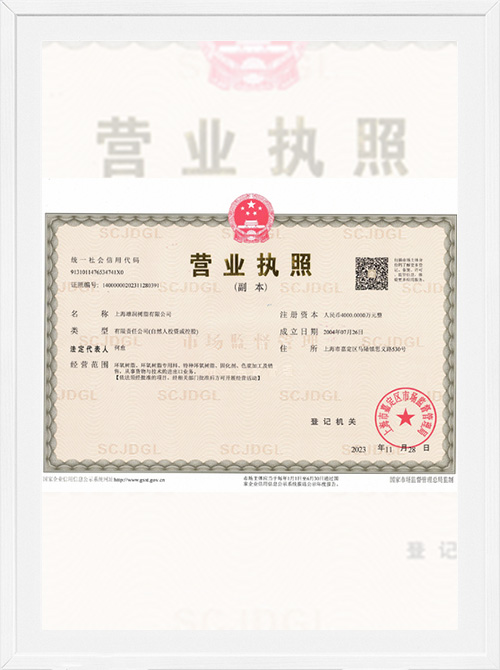
CERTIFIED BY
Certifications
INDUSTRY KNOWLEDGE
Industry Knowledge
How to Choose the Right Epoxy Composite Resin for Insulation Applications?
Selecting the right epoxy composite resin for insulation is essential for ensuring the safety, durability, and performance of electrical systems. From transformers and switchgear to encapsulated sensors and high-voltage modules, epoxy insulating materials play a critical role in protecting electrical components against thermal stress, moisture ingress, dielectric breakdown, and environmental degradation.
Because insulation systems often operate under demanding conditions, resin selection must balance electrical properties, mechanical strength, thermal endurance, process compatibility, and environmental performance.
Why Epoxy Composite Resin Matters in Electrical Insulation
Epoxy systems are widely used in electrical engineering due to their strong adhesion, excellent dielectric properties, and resistance to chemicals and thermal aging. Modern electrical insulation resin solutions are often reinforced with fillers to improve dimensional stability and thermal conductivity.
Key advantages include:
| Property | Function in Insulation Applications |
|---|---|
| High dielectric strength | Prevents electrical breakdown |
| Thermal resistance | Supports stable performance under heat |
| Low shrinkage | Maintains dimensional accuracy |
| Moisture resistance | Protects against insulation failure |
| Mechanical durability | Resists cracking and vibration stress |
For high-performance insulation systems, choosing the wrong resin may lead to internal stress, poor bonding, or reduced service life.
Key Factors to Consider When Choosing Epoxy Composite Resin
Electrical Insulation Performance
The primary function of epoxy composite resin for insulation is electrical isolation.
Evaluate:
- Dielectric strength
- Volume resistivity
- Arc resistance
- Partial discharge resistance
- Insulation stability under voltage cycling
Applications such as dry-type transformers and high-voltage cast components require resins engineered for long-term dielectric reliability.
Thermal Class and Heat Resistance
Thermal aging is one of the leading causes of insulation degradation.
Consider whether the resin can maintain structural and dielectric performance under:
- Continuous elevated temperatures
- Thermal cycling
- Heat shock conditions
High-grade epoxy insulating materials often include mineral fillers that improve thermal conductivity while minimizing thermal expansion mismatch.
Mechanical Strength and Structural Integrity
Insulating components frequently face vibration, mechanical loading, and environmental stress.
Important properties include:
| Mechanical Characteristic | Importance |
|---|---|
| Flexural strength | Structural stability |
| Compression resistance | Load-bearing capacity |
| Crack resistance | Long-term reliability |
| Adhesion strength | Bonding to inserts and metals |
Filled epoxy systems generally offer better rigidity for cast insulation structures.
Processing Compatibility
Even high-performance materials can underperform if they are difficult to process.
Assess:
- Viscosity during molding or casting
- Pot life and gel time
- Cure profile
- Degassing behavior
- Compatibility with vacuum casting systems
Shanghai Xrun Resin Co., Ltd. has invested heavily in establishing an automated production system to ensure process consistency. Leveraging its facilities in Jiading and Songjiang, along with its specialized R&D capabilities, the company has developed epoxy resin formulations specifically optimized for industrial-grade electrical insulation manufacturing.
Environmental Resistance
Outdoor and industrial electrical equipment often faces harsh operating conditions.
The selected epoxy insulation resin should resist:
- UV exposure
- Humidity and water absorption
- Chemical contamination
- Dust and industrial pollutants
Advanced formulations improve resistance without sacrificing electrical properties.
Comparing Common Epoxy Composite Resin Types
| Resin Type | Best Application | Key Advantage |
|---|---|---|
| Unfilled epoxy resin | Potting and coating | Easy processing |
| Mineral-filled epoxy composite | High-voltage cast parts | Improved thermal stability |
| Flexible epoxy systems | Shock-sensitive devices | Better crack resistance |
| High thermal conductivity epoxy | Power electronics | Efficient heat dissipation |
A supplier’s formulation expertise matters significantly here.
Shanghai Xrun Resin Co., Ltd., as a specialist in electrical insulation materials, has supplied more than 180,000 tons of epoxy materials to the market. Its fully automated resin, hardener, and filler production lines support stable quality control across insulation applications. The company’s green manufacturing strategy, powered by photovoltaic-covered production facilities, also reflects increasing demand for sustainable epoxy insulating materials.
Why Technical Support Matters
Choosing insulation resin is rarely just about catalog specifications.
A professional supplier should provide:
- Material customization support
- Application engineering consultation
- Process optimization guidance
- Batch consistency assurance
- Long-term product development support
Companies with integrated R&D institutes can rapidly adapt formulations to changing insulation requirements.
Conclusion
Choosing the right epoxy composite resin for insulation requires a comprehensive understanding of electrical, thermal, mechanical, and processing demands.
The best epoxy insulating materials combine dielectric reliability, structural durability, environmental resistance, and efficient manufacturability. Working with technically capable manufacturers ensures the insulation system performs reliably throughout its service life.
For critical electrical applications, resin selection should always be approached as a strategic engineering decision rather than a simple material purchase.
FAQ
1. What is epoxy composite resin used for in insulation applications?
It is mainly used for encapsulation, casting, potting, and structural insulation in transformers, switchgear, sensors, and high-voltage electrical components.
2. Why are fillers added to epoxy insulating materials?
Fillers improve thermal conductivity, reduce shrinkage, enhance mechanical strength, and increase dimensional stability.
3. How do I know if an epoxy resin is suitable for high-voltage insulation?
Check dielectric strength, partial discharge resistance, thermal endurance, and long-term electrical aging performance.
4. Can epoxy composite resin resist outdoor environmental conditions?
Yes. Properly formulated epoxy systems can resist moisture, UV exposure, and chemical contamination for outdoor insulation use.
5. Why is supplier expertise important when selecting epoxy insulation resin?
Experienced suppliers provide customized formulations, technical support, and process optimization that ensure stable product performance in real applications.
Message Us Right Now!
Contact
Tel: +86-21-54943138
Phone:
Sales Ricky:+86-136 1183 0385
Sales Jason:+86-186 1635 6961E-mail: [email protected]
[email protected]
[email protected]
Get Connected
Copyright © Shanghai Xrun Resin Co., Ltd. All rights reserved. Privacy Epoxy Insulating Materials Factory
