
 English
 Français
 русский
 Español
 Deutsch
 عربى
عربى




Search
Form of matter
- Liquid state
Glass transition temperature
- 80-90℃
- 130-140℃
- 140-150℃
Classification
- Epoxy insulating glue
- --Flexible Epoxy Resin System
Hot Products
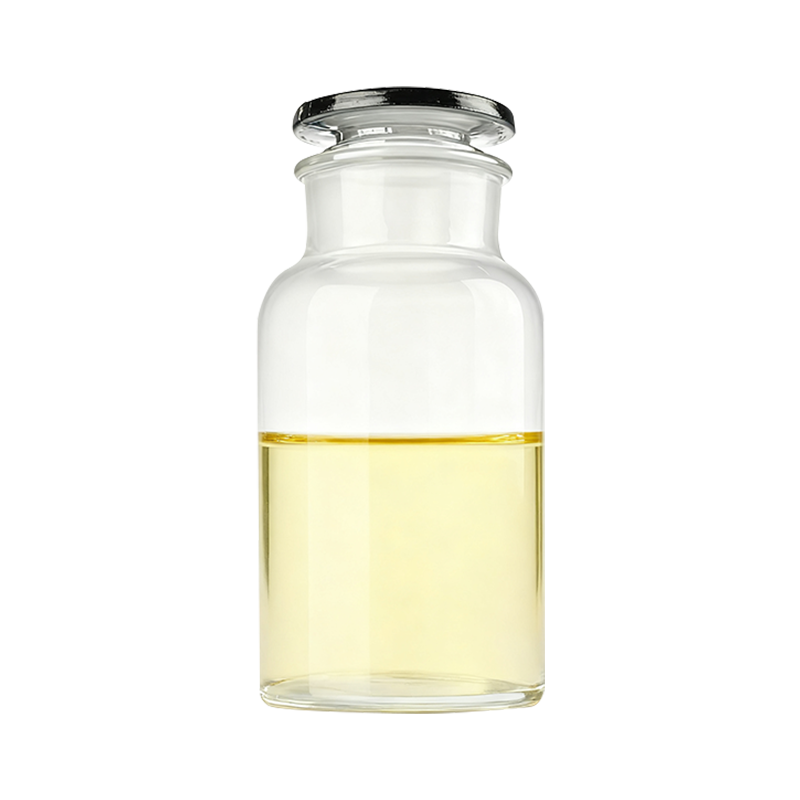
Tough Flexible Epoxy Casting System Manufacturers
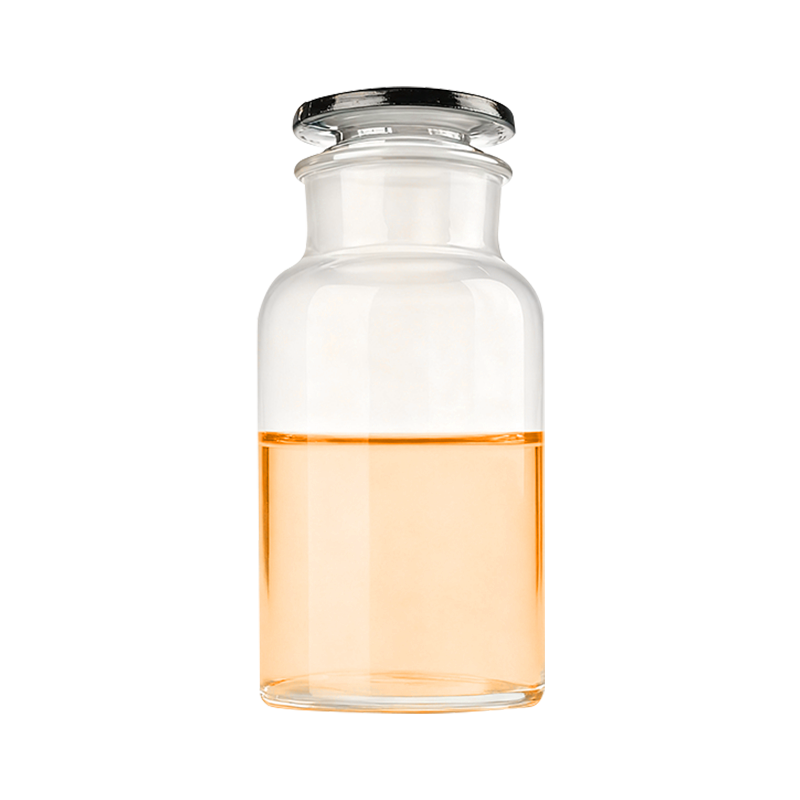
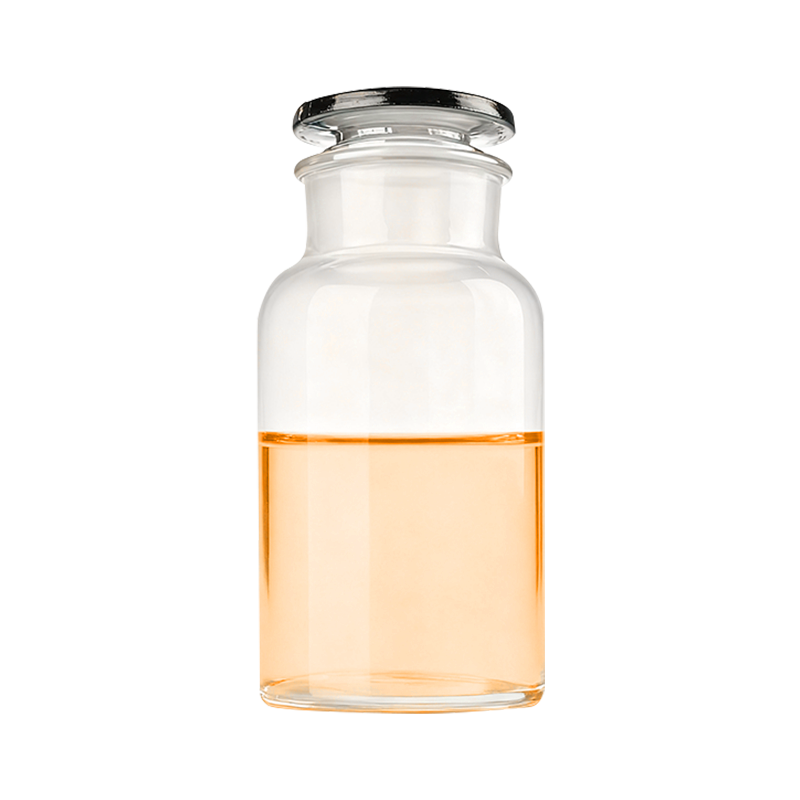
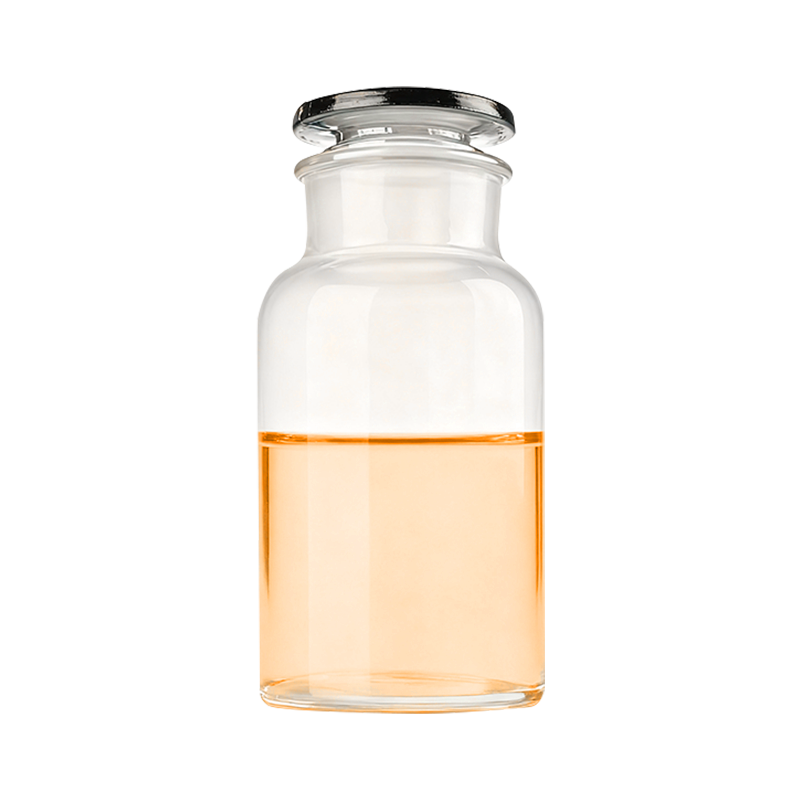
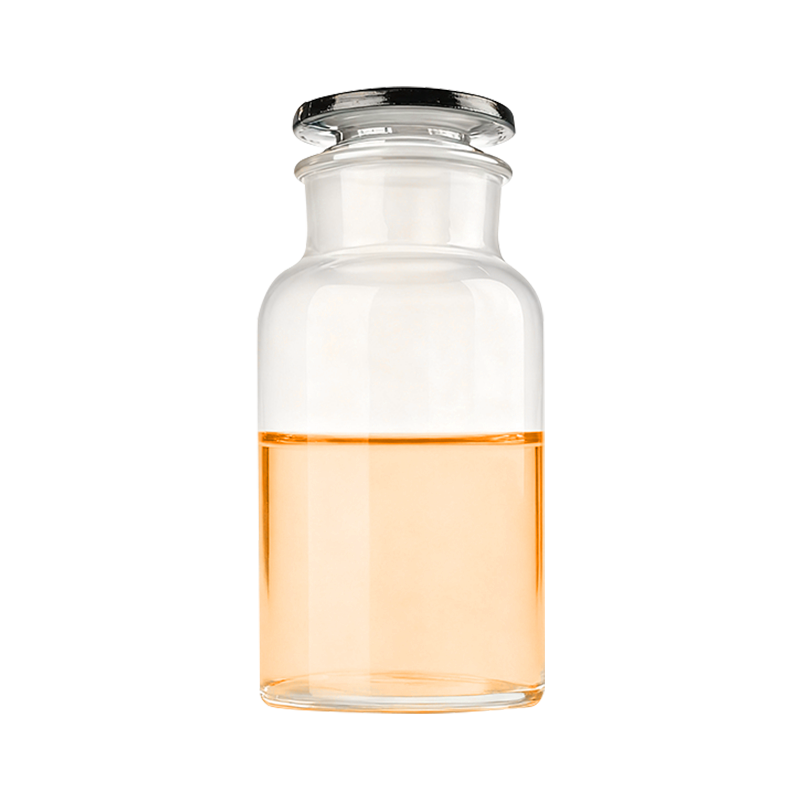
Xrun modifies epoxy resin through molecular structure design technology, endowing it with polyurethane-like flexibility to achieve polyurethane substitution. This addresses the adverse efects such as bubble formation easily caused by gas released during polyurethane curing.
| Formulation | Gel time | Hardness | Curing Process | ||
| HE-2007A/HE-2007B=100/65 | 3-6min/140℃ | HD69 | 80℃/2-4h | ||
| HE-2007A/HE-2007-1B=100/65 | 10-18min/140℃ | HD74 | 130℃/8-12h | ||
| HE-2027A/HE-2007B=100/65 | 3-6min/140℃ | HD73 | 80℃/2-4h | ||
| HE-2027A/HE-2007-1B=100/65 | 10-18min/140℃ | HD79 | 130℃/8-12h | ||
| HJ-2092A/HJ-2092B=100/32.5 | 800-1100min/25℃ | HD63 | RT/°C 48h or 80°C/2h | ||
| HJ-2093A/HJ-2093B=100/30 | 100-200min/25℃ | HD65 | RT/°C 48h or 80°C/2h | ||
News Updates
Follow news and information to stay informed about industry trends
-
2026-10-15
Why the Supplier You Choose Determines Insulation Performance Electrical insulation is not a commodity purchase. A transformer that fails after two years, a GIS spacer that cracks under thermal cycling, or an FRP rod that delaminates under load all trace back to one decision made months earlier: wh...
-
2026-10-09
A transformer casting can pass a visual inspection and still fail partial discharge testing months later, and the reason is often hidden inside one process variable that nobody wrote down: the viscosity of the mixed resin at the moment it entered the mold. Voids that never escaped, glass cloth that...
-
2026-10-01
The 80% Rule: A Load Limit Backed by Insulation Physics The 80% rule for transformers states that a transformer should not carry a continuous load above 80% of its rated capacity. Push past that line and the unit is no longer considered healthily loaded. Windings run hotter, insulation ages faster,...
About Xrun Resin
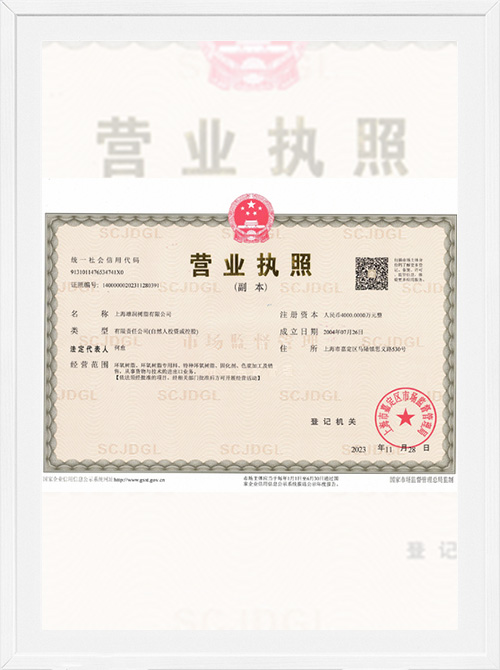
Founded on Sept.9th,1999, Xrun is a professional company of electrical insulation materials. As China Tough Flexible Epoxy Casting System Manufacturers, we can offering Custom Flexible Epoxy Resin System for transformers, GIS, switchgear, and cable accessories. With the advantage of speciality, Xrun focuses on R&D of epoxy resin and polyurethane insulating glue as well as the production, serving for electrical facilities. There are two factories(located in Jiading District & Songjiang District in Shanghai, China) and an R&D Institute. With more than 100 employees, it adopts automatic production and digital management. So far, Xrun has supplied the market with more than 180 thousand tons of epoxy materials for electrical insulation. As a company in the field, Xrun has undertaken several national projects of the domestication of new epoxy materials for electrical insulation.
1999
“ From this year “
CERTIFIED BY
Certifications
INDUSTRY KNOWLEDGE
Industry Knowledge
What Should You Consider When Selecting a Tough Flexible Epoxy Casting System?
Selecting the ideal tough flexible epoxy casting system is essential for manufacturers seeking reliable electrical insulation, mechanical stability, and environmental resistance. Whether used in transformers, sensors, electronic encapsulation, switchgear, or high-voltage insulation devices, the right flexible epoxy resin system ensures both structural protection and operational consistency under thermal and mechanical stress.
As electrical systems become more compact and performance-driven, standard rigid casting materials often struggle to handle expansion, vibration, and cyclic loading. This is why flexible epoxy technologies have become increasingly important across industrial insulation sectors.
Shanghai Xrun Resin Co., Ltd., a professional company specializing in electrical insulation materials, has focused on R&D and production of epoxy resin and polyurethane insulating glue since 1999. With advanced production plants, testing laboratories, and customized development capabilities, the company supports global electrical manufacturers with high-performance casting solutions.
Mechanical Toughness and Flexibility Balance
A quality tough flexible epoxy casting system must combine two often conflicting properties: toughness and flexibility.
Toughness allows the cured resin to resist cracking, impact, and fracture under stress. Flexibility helps absorb vibration, thermal expansion, and dimensional movement without losing adhesion or insulation integrity.
| Property | Importance | Performance Benefit |
|---|---|---|
| High elongation | Reduces cracking risk | Absorbs thermal stress |
| Impact resistance | Prevents brittle failure | Longer service life |
| Controlled hardness | Maintains shape stability | Structural reliability |
| Stress relaxation | Handles expansion mismatch | Better adhesion retention |
When evaluating a flexible epoxy resin system, ensure the formulation achieves this balance without sacrificing electrical performance.
Electrical Insulation Performance
The primary role of any casting resin in electrical applications is insulation protection.
Key properties include:
- High dielectric strength
- Excellent volume resistivity
- Low dielectric loss
- Arc resistance
- Long-term electrical stability
A properly engineered tough flexible epoxy casting system protects internal components from electrical leakage and breakdown while maintaining performance across temperature fluctuations.
Shanghai Xrun Resin Co., Ltd. maintains strict laboratory testing procedures to verify insulation consistency, ensuring every batch meets demanding international standards.
Thermal Stability and Expansion Compatibility
Electrical devices often experience repeated heating and cooling cycles. Poorly matched resin systems can crack due to expansion mismatch between resin and embedded components.
Look for:
- Low internal curing stress
- Controlled coefficient of thermal expansion
- Thermal shock resistance
- Stable glass transition temperature
Material Comparison
| Material Type | Flexibility | Thermal Stress Resistance | Typical Use |
|---|---|---|---|
| Standard rigid epoxy | Low | Moderate | Static insulation |
| Polyurethane resin | High | Good | Flexible encapsulation |
| Tough flexible epoxy casting system | Excellent | Excellent | High-reliability electrical casting |
A modern flexible epoxy resin system offers superior dimensional compatibility for advanced electrical assemblies.
Processability and Customization
Different applications require different viscosity, curing speed, and filling behavior.
Important factors include:
- Low viscosity for complex mold filling
- Controlled gel time
- Bubble-free casting performance
- Adjustable curing conditions
- Compatibility with fillers and additives
One major advantage of Shanghai Xrun Resin Co., Ltd. is customization. Their strong R&D team develops epoxy materials according to customer-specific product requirements, ensuring compatibility with unique electrical designs.
This tailored approach improves production efficiency while reducing material waste and processing defects.
Quality Control and Supply Stability
Material consistency directly impacts casting performance.
Reliable suppliers should provide:
- In-house testing laboratories
- Complete inspection systems
- Stable raw material sourcing
- Batch traceability
- Large-scale production capability
Shanghai Xrun Resin Co., Ltd. operates two production plants with annual output capacity reaching 100,000 tons, ensuring consistent supply for both small-batch specialty needs and high-volume industrial demand.
This manufacturing scale supports customers worldwide, especially in Europe, America, and Southeast Asia.
Full Material System Compatibility
A complete tough flexible epoxy casting system often requires more than base resin alone.
Supporting materials include:
- Hardeners
- Fillers
- Accelerators
- Coupling agents
- Processing auxiliaries
A supplier offering full-system integration simplifies procurement and improves compatibility.
Shanghai Xrun Resin Co., Ltd. provides a full range of epoxy materials, enabling manufacturers to source optimized auxiliary materials from a single trusted supplier.
Logistics and Global Service Support
Efficient logistics reduce downtime and improve operational responsiveness.
Located only 30 kilometers from Shanghai Port, Shanghai Xrun Resin Co., Ltd. offers highly efficient global shipping, enabling fast delivery to international customers.
Combined with technical support and responsive service, this ensures manufacturers receive timely assistance throughout development and production.
Final Thoughts
Choosing the right tough flexible epoxy casting system requires evaluating flexibility, toughness, electrical insulation reliability, thermal compatibility, customization options, and supplier quality assurance.
An advanced flexible epoxy resin system does more than encapsulate components—it enhances operational lifespan, protects electrical integrity, and supports efficient manufacturing processes.
Partnering with experienced specialists like Shanghai Xrun Resin Co., Ltd. ensures access to customized, high-quality insulation materials designed for modern electrical applications.
FAQ
1. What is a tough flexible epoxy casting system used for?
It is used for encapsulating and insulating electrical components such as transformers, sensors, switchgear, and electronic modules requiring durability and flexibility.
2. Why is flexibility important in epoxy casting?
Flexibility allows the resin to absorb thermal expansion and vibration, reducing cracking and extending product lifespan.
3. How does a flexible epoxy resin system differ from rigid epoxy?
A flexible epoxy resin system offers better stress absorption and crack resistance while maintaining insulation performance.
4. Can tough flexible epoxy casting systems be customized?
Yes. Professional manufacturers like Shanghai Xrun Resin Co., Ltd. can tailor viscosity, curing profile, and performance characteristics to customer requirements.
5. How do I evaluate casting resin quality?
Check mechanical toughness, dielectric properties, thermal stability, laboratory testing standards, and supplier production consistency.
Message Us Right Now!
Contact
Tel: +86-21-54943138
Phone:
Sales Ricky:+86-136 1183 0385
Sales Jason:+86-186 1635 6961E-mail: [email protected]
[email protected]
[email protected]
Get Connected
Copyright © Shanghai Xrun Resin Co., Ltd. All rights reserved. Privacy Flexible Epoxy Resin System Factory
