
 English
 Français
 русский
 Español
 Deutsch
 عربى
عربى



Characteristics Excellent crack resistance Applic...
Search
Glass transition temperature
- 90-100℃
- 100-110℃
- 110-120℃
- 120-130℃
- 130-140℃
- 140-150℃
- 150-160℃
- 160-170℃
- 170-180℃
- 180-190℃
Craft
- APG
Application
- Indoor and outdoor switches
- Insulating tie rods
- Electrical components
Classification
- Epoxy insulating glue
- --Epoxy Resin System for MV & HV Insulation Parts with APG Process
Characteristics
- Good electromechanical properties
- Low viscosity
- High crack resistance
- High TG
- Crack-resistant
- Flame retardant
Hot Products
APG Epoxy Resin For GIS Manufacturers
-
-
Characteristics Excellent crack resistance, extremely...
-
Characteristics Excellent crack resistance Applic...
-
Characteristics High glass transition temperature, fl...
-
Characteristics High glass transition temperature, go...
-
Characteristics High glass transition temperature ...
-
Characteristics High crack resistance, flame retardan...
-
Characteristics High crack resistance, flame retardan...
-
Characteristics Low viscosity, flame retardant V1 ...
-
Characteristics APG casting type Application Proc...
Epoxy resins for medium-and high-voltage switches are mainly used to manufacture various insulating components, such as insulators, insulating conduits, insulating cylinders, insulator brackets, or insulating partitions, solid-sealed poles, and solid switches. These insulating parts feature structural diversity—some have complex shapes and structures-along with diverse application scenarios and varied performance requirements. Such product diversity demands customized materials, for instance, to suit indoor or outdoor application environments; to meet different flame-retardant properties; to resist low, ultra-low, or high temperatures; to withstand salt spray, pollution, or chemicals; to be mold-resistant; and to be radiation-resistant.
Xrun APG Epoxy Resin for MV AND HV
| Formula | Tg(℃) | Characteristics and Properties |
| HE-205/HH-205 | >105 | Good electromechanical properties and low partial discharge |
| HE-206/HH-206 | >110 | Good electromechanical properties |
| HE-2061A/HE-2061B | >105 | Low viscosity and Good electromechanical properties |
| HE-208/HH-208 | >95 | Good electromechanical properties |
| HE-228H/HH-228H | >105 | Good electromechanical properties and low partial discharge |
| HE-2295A/HE-2295B | >140 | High temperature resistance, good electromechanical properties, and flame-retardant VO |
| HE-2801A/HE-2801B | >100 | High crack resistance, good electromechanical properties |
| HE-8265A/HE-8265-1B | >120 | High crack resistance, good electromechanical properties |
| HE-8269A/HE-8269B | >130 | High temperature resistance and good electromechanical properties |
| HE-8309A/HE-8309B | >95 | High crack resistance, good electromechanical properties |
| HE-8329S/HH-8329S | >105 | High crack resistance, good electromechanical properties |
| HE-8335/HH-8335 | >115 | Good electromechanical properties |
| HW-2350A/HW-2350B | >150 | High temperature resistance and excellent electromechanical properties |
| HW-2915A/HW-2915B | >110 | Excellent crack resistance、good electromechanical properties |
| HW-2955A/HW-2955B | >120 | Excellent crack resistance、good electromechanical properties |
| HW-8267A/HW-8267B | >130 | Excellent crack resistance、good electromechanical properties |
| HW-8369A/HW-8369B | >110 | Excellent crack resistance、good electromechanical properties curing shrinkage |
News Updates
Follow news and information to stay informed about industry trends
-
2026-10-15
Why the Supplier You Choose Determines Insulation Performance Electrical insulation is not a commodity purchase. A transformer that fails after two years, a GIS spacer that cracks under thermal cycling, or an FRP rod that delaminates under load all trace back to one decision made months earlier: wh...
-
2026-10-09
A transformer casting can pass a visual inspection and still fail partial discharge testing months later, and the reason is often hidden inside one process variable that nobody wrote down: the viscosity of the mixed resin at the moment it entered the mold. Voids that never escaped, glass cloth that...
-
2026-10-01
The 80% Rule: A Load Limit Backed by Insulation Physics The 80% rule for transformers states that a transformer should not carry a continuous load above 80% of its rated capacity. Push past that line and the unit is no longer considered healthily loaded. Windings run hotter, insulation ages faster,...
About Xrun Resin
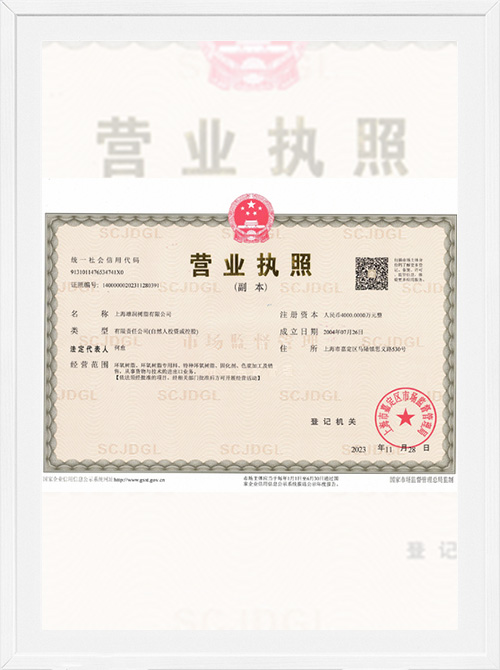
Founded on Sept.9th,1999, Xrun is a professional company of electrical insulation materials. As China APG Epoxy Resin For GIS Manufacturers, we can offering Custom Crack-Resistant Epoxy Resin for transformers, GIS, switchgear, and cable accessories. With the advantage of speciality, Xrun focuses on R&D of epoxy resin and polyurethane insulating glue as well as the production, serving for electrical facilities. There are two factories(located in Jiading District & Songjiang District in Shanghai, China) and an R&D Institute. With more than 100 employees, it adopts automatic production and digital management. So far, Xrun has supplied the market with more than 180 thousand tons of epoxy materials for electrical insulation. As a company in the field, Xrun has undertaken several national projects of the domestication of new epoxy materials for electrical insulation.
1999
“ From this year “
CERTIFIED BY
Certifications
INDUSTRY KNOWLEDGE
Industry Knowledge
How the APG (Automatic Pressure Gelation) Process Influences Curing Kinetics and Void Formation in APG Epoxy Resin For GIS Insulators
Gas-Insulated Switchgear (GIS) requires high-performance APG Epoxy Resin For GIS insulators with near-zero voids and precisely controlled curing kinetics. The Automatic Pressure Gelation (APG) process is specifically designed for large, complex-shaped GIS spacers and support insulators. Shanghai Xrun Resin Co., Ltd., a professional leader in electrical insulation, has supplied over 180,000 tons of epoxy materials and undertaken national projects for epoxy domestication. With two green factories (Jiading & Songjiang) fully powered by photovoltaics, automatic production lines, and an R&D Institute, Xrun specializes in epoxy resin systems for MV/HV insulation parts with APG.
1. APG Process Overview and Its Impact on Curing Kinetics
Unlike traditional vacuum casting, APG uses heated molds (140-170°C) and injection pressure (2-6 bar) to fill the cavity rapidly. The process accelerates cure speed but introduces unique kinetic challenges.
- Fast temperature ramp: Resin mixture (preheated to 70-80°C) contacts mold at 140-170°C, causing rapid temperature rise (20-30°C/min). This accelerates curing reaction, reducing gel time from 60-90 minutes (conventional) to 5-15 minutes (APG).
- High reaction exotherm: Fast curing generates significant internal heat (peak exotherm up to 200-220°C in thick sections), which can cause thermal degradation if not controlled.
- Kinetic parameter comparison:
| Process | Mold Temperature | Gel Time | Cure Time | Peak Exotherm | Degree of Cure after Demold |
|---|---|---|---|---|---|
| Conventional Vacuum Casting120-140°C60-90 min8-12 hours150-170°C75-85% | |||||
| APG Process140-170°C5-15 min20-40 min200-220°C90-95% |
Xrun solution: Shanghai Xrun Resin Co., Ltd. formulates APG epoxy systems with latent curing agents (boron trifluoride-amine complexes or modified anhydrides) that delay initial reaction for 2-5 minutes at 80°C but cure rapidly at 150°C. This provides sufficient filling time while maintaining APG productivity.
2. Void Formation Mechanisms in APG Epoxy Resin For GIS
Voids are catastrophic for GIS insulators, causing partial discharge and dielectric failure. APG introduces three specific void formation risks:
- Trapped air during injection: High-speed filling (50-100 mm/s) can entrain air, especially around metal inserts and complex geometries. APG's pressure (2-6 bar) helps compress air bubbles but cannot eliminate them if feed rate is uncontrolled.
- Volatile outgassing: Fast temperature rise causes rapid vaporization of residual moisture (from fillers) or low-molecular-weight components. Water vapor pressure at 150°C exceeds 4.7 bar, potentially forming voids if not evacuated.
- Cure shrinkage voids: Epoxy shrinkage (2-4% by volume) occurs during gelation. In APG, external pressure (2-6 bar) is maintained until demold, compensating for shrinkage and preventing void formation. However, if pressure drops prematurely, voids form.
Quantitative void requirements for GIS:
- Maximum allowable void size: <50 μm (IEC 62271-203)
- Maximum void content: <0.1% by volume
- Partial discharge level: <3 pC at rated voltage
3. Critical APG Parameters for Optimized Curing Kinetics and Void Prevention
Shanghai Xrun Resin Co., Ltd. has established optimal APG parameters through its R&D Institute and national project experience:
| Parameter | Conventional Value | Optimized Value (Xrun APG System) | Effect on Voids & Kinetics |
|---|---|---|---|
| Mold temperature | 150-160°C | 145-155°C | Lower peak exotherm reduces thermal degradation voids |
| Injection pressure | 2-3 bar | 4-6 bar | Higher pressure compresses trapped air and compensates shrinkage |
| Resin preheat temperature | 70-80°C | 65-75°C | Lower preheat extends working time, reduces volatilization |
| Filler drying | 120°C / 4h | 120°C / 8h under vacuum | <200 ppm moisture eliminates outgassing voids |
| Pressure holding time | Until gel point | 15 min beyond gel point | Ensures complete shrinkage compensation |
4. Shanghai Xrun's Advanced APG Epoxy Formulations for GIS
Xrun's epoxy resin systems for MV/HV insulation parts with APG incorporate proprietary additives to manage APG-specific challenges:
- Latent accelerator: Provides 5-8 minute pot life at 75°C, then rapid cure at 150°C (gel time 8-12 min).
- Reactive diluent: Reduces viscosity to 300-500 mPa·s at 75°C, improving flow and air release.
- Defoaming agent: Reduces surface tension, allowing trapped air bubbles to coalesce and escape before gelation.
- Surface-treated Al₂O₃ filler (bimodal distribution): Achieves 65 vol% loading with <0.05% voids, thermal conductivity 2.5 W/m·K, and CTE 20 ppm/K matching GIS metal inserts.
With automatic production lines for resin, hardener, filler, and auxiliaries, Shanghai Xrun Resin Co., Ltd. ensures consistent APG performance. Both factories are 100% photovoltaic-powered, supporting green manufacturing.
FAQ – Shanghai Xrun Resin Co., Ltd.
Q1: How does Shanghai Xrun Resin Co., Ltd. control curing kinetics to prevent premature gelation during the APG process for GIS insulators?
A: Shanghai Xrun Resin Co., Ltd. formulates APG Epoxy Resin For GIS with latent curing agents (boron trifluoride-amine complexes) that delay reaction for 5-8 minutes at 75°C injection temperature but cure rapidly at 150°C mold temperature. Our automatic production lines ensure precise accelerator dosing, and our R&D Institute has validated these kinetics through national projects for epoxy domestication.
Q2: What void content levels can Shanghai Xrun Resin Co., Ltd. achieve in APG Epoxy Resin For GIS insulators?
A: Using optimized APG parameters (6 bar injection pressure, 8-hour vacuum-dried fillers at 120°C, and proprietary defoaming agents), Shanghai Xrun Resin Co., Ltd. consistently achieves <0.05% void content and <10 μm maximum void size, exceeding IEC 62271-203 requirements (<0.1%, <50 μm). With over 180,000 tons of epoxy materials supplied, our quality is proven.
Q3: Does Shanghai Xrun Resin Co., Ltd. provide customized APG Epoxy Resin For GIS for different voltage classes (72.5 kV to 550 kV)?
A: Yes. Shanghai Xrun Resin Co., Ltd. offers tailored epoxy resin systems for MV/HV insulation parts with APG. Our two factories (Jiading & Songjiang) produce over 50,000 tons/year, and we adjust filler loading (50-70 vol%), CTE (15-30 ppm/K), and Tg (110-140°C) to match specific GIS spacer designs. Both factories are 100% photovoltaic-powered for sustainable production.
Role of Curing Agent Structure (Anhydride vs. Amine) in Controlling Crosslink Density and Crack Propagation Resistance of Crack-Resistant Epoxy Resin Under Mechanical Stress
For high-voltage insulation components such as GIS spacers, dry-type transformers, and bushings, Crack-Resistant Epoxy Resin must withstand thermal cycling, vibration, and mechanical stress without micro-crack formation. The curing agent structure fundamentally determines crosslink density, network flexibility, and fracture toughness. Shanghai Xrun Resin Co., Ltd., a professional leader in electrical insulation, has supplied over 180,000 tons of epoxy materials and undertaken national projects for epoxy domestication. With two green factories (Jiading & Songjiang) fully powered by photovoltaics, automatic production lines, and an R&D Institute, Xrun specializes in epoxy resin systems for MV/HV insulation parts with APG.
1. Anhydride vs. Amine Curing Agents: Structural Differences
Anhydride curing agents (e.g., methylhexahydrophthalic anhydride, MHHPA) and amine curing agents (e.g., diethylenetriamine, DETA, or isophoronediamine, IPDA) react with epoxy resins through different mechanisms, producing distinct network architectures.
- Anhydride curing: Requires an accelerator (usually tertiary amine or imidazole). Opens anhydride ring, forms ester linkages with hydroxyl groups. Produces a flexible, ester-rich network with moderate crosslink density.
- Amine curing: Direct addition reaction with epoxy groups. Forms secondary and tertiary amine linkages. Produces a dense, highly crosslinked network with high strength but inherent brittleness.
2. Effect on Crosslink Density and Network Structure
Crosslink density (νe, mol/m³) directly correlates with mechanical properties. Below is a comparative table based on Shanghai Xrun Resin Co., Ltd. R&D data:
| Parameter | Anhydride-Cured Epoxy (MHHPA) | Amine-Cured Epoxy (IPDA) |
|---|---|---|
| Crosslink density (νe) | 0.8-1.2 × 10³ mol/m³ | 2.0-3.5 × 10³ mol/m³ |
| Average molecular weight between crosslinks (Mc) | 800-1200 g/mol | 300-500 g/mol |
| Free volume (%) | 5-8% | 3-4% |
| Glass transition temperature (Tg) | 110-140°C | 130-170°C |
| Fracture toughness (KIC) | 0.8-1.2 MPa·m1/2 | 0.5-0.7 MPa·m1/2 |
| Elongation at break (%) | 3-6% | 1-2.5% |
| Flexural modulus (GPa) | 3.5-4.5 | 4.5-5.5 |
Key insight: Anhydride-cured epoxy has lower crosslink density and higher free volume, allowing molecular chain movement under stress, which absorbs energy and resists crack propagation. Amine-cured epoxy, while stronger and more heat-resistant, is inherently brittle due to its dense, constrained network.
3. Crack Propagation Resistance Mechanisms
Under mechanical stress (e.g., thermal cycling from -40°C to +140°C or vibrational loads), crack resistance is governed by two primary mechanisms:
- Plastic deformation zone: Anhydride-cured systems form a larger plastic zone ahead of the crack tip (50-100 μm vs. 10-20 μm for amine-cured). This zone dissipates energy through chain alignment and micro-voiding, increasing fracture energy (GIC) by 2-3×.
- Crack pinning and bridging: The more flexible anhydride network allows fillers (e.g., nano-SiO₂ or core-shell rubber) to act as effective crack arrestors. In amine-cured systems, the brittle matrix cannot deform enough to engage filler toughening mechanisms fully.
Quantitative crack resistance comparison (with 60 vol% Al₂O₃ filler):
- Anhydride-cured: KIC = 1.8-2.2 MPa·m1/2, crack growth rate under cyclic load = 5×10⁻⁶ mm/cycle
- Amine-cured: KIC = 0.9-1.2 MPa·m1/2, crack growth rate = 2×10⁻⁵ mm/cycle
4. Practical Implications for High-Voltage Insulation
For Crack-Resistant Epoxy Resin used in GIS, transformers, and bushings, anhydride curing agents are strongly preferred despite their lower Tg. Shanghai Xrun Resin Co., Ltd. has optimized anhydride systems to balance crack resistance and thermal performance:
- MHHPA with proprietary accelerator blend: Achieves Tg of 130-140°C while maintaining KIC > 1.8 MPa·m1/2.
- Hybrid anhydride systems: Combining MHHPA with a small fraction (10-20%) of a flexible anhydride (e.g., dodecenylsuccinic anhydride, DDSA) further increases elongation to 8-10% with only 5-10°C Tg reduction.
- Amine curing is limited to: Small, non-structural components or applications requiring Tg > 160°C, where crack resistance is secondary.
Shanghai Xrun Resin Co., Ltd. uses automatic production lines for resin, hardener, filler, and auxiliaries to ensure precise anhydride-to-epoxy ratios (±0.5%). Both factories are 100% photovoltaic-powered, supporting green manufacturing.
FAQ – Shanghai Xrun Resin Co., Ltd.
Q1: Which curing agent system does Shanghai Xrun Resin Co., Ltd. recommend for maximum crack resistance in high-voltage epoxy components?
A: Shanghai Xrun Resin Co., Ltd. recommends anhydride-based curing agents (e.g., MHHPA with proprietary accelerators) for Crack-Resistant Epoxy Resin. Anhydride-cured systems provide lower crosslink density (0.8-1.2×10³ mol/m³), higher fracture toughness (KIC 1.8-2.2 MPa·m1/2 with filler), and 3-6% elongation, far exceeding amine-cured alternatives. Our R&D Institute has validated this through national projects for epoxy domestication.
Q2: Does Shanghai Xrun Resin Co., Ltd. offer Crack-Resistant Epoxy Resin formulations with amine curing agents for high-temperature applications?
A: Yes, but limited to applications where Tg > 160°C is critical and crack resistance is secondary. Shanghai Xrun Resin Co., Ltd. can provide amine-cured systems (e.g., IPDA) with KIC 0.9-1.2 MPa·m1/2. However, for most high-voltage insulation components (GIS, transformers, bushings), our epoxy resin systems for MV/HV insulation parts with APG use anhydride chemistry for optimal crack resistance.
Q3: How does Shanghai Xrun Resin Co., Ltd. ensure consistent crosslink density and crack resistance across production batches?
A: With automatic production lines and digital management, Shanghai Xrun Resin Co., Ltd. maintains anhydride-to-epoxy ratio accuracy within ±0.5%. Our two factories (Jiading & Songjiang) produce over 50,000 tons/year, and each batch undergoes DMA testing to verify crosslink density and KIC validation. To date, we have supplied over 180,000 tons of epoxy materials for electrical insulation with proven crack resistance.
Message Us Right Now!
Contact
Tel: +86-21-54943138
Phone:
Sales Ricky:+86-136 1183 0385
Sales Jason:+86-186 1635 6961E-mail: [email protected]
[email protected]
[email protected]
Get Connected
Copyright © Shanghai Xrun Resin Co., Ltd. All rights reserved. Privacy Crack-Resistant Epoxy Resin Factory
