
 English
 Français
 русский
 Español
 Deutsch
 عربى
عربى


Characteristics High Thermal Conductivity, high crack...
Search
Glass transition temperature
- 90-100℃
- 100-110℃
- 110-120℃
- 120-130℃
- 130-140℃
- 140-150℃
- 150-160℃
- 160-170℃
- 170-180℃
- 180-190℃
Craft
- APG
- Vacuum casting
Application
- Transformers
Classification
- Epoxy insulating glue
- --Epoxy Resin Systems for Electric Insulation of High Thermal Conductivity
- --Polyurethane Series Insulating Adhesive
Characteristics
- Good electromechanical properties
- High crack resistance
- High thermal conductivity
- Crack-resistant
Hot Products
High Thermal Conductivity Epoxy Resin Manufacturers
-
-
Characteristics High Thermal Conductivity, high crack...
-
Characteristics High Thermal Conductivity, high crack...
-
Characteristics High Thermal Conductivity, high crack...
-
Characteristics High Thermal Conductivity, high crack...
-
Characteristics High Thermal Conductivity, high crack...
-
Characteristics High Thermal Conductivity, high crack...
-
Characteristics High Thermal Conductivity, high crack...
-
Characteristics High Thermal Conductivity, high crack...
-
Characteristics High Thermal Conductivity, high crack...
-
Characteristics High Thermal Conductivity, high crack...
-
Characteristics High Thermal Conductivity, high crack...
High thermal conductivity epoxy resin suffers from poor processability and a significant reduction in crack resistance due to high filling. Xrun has adopted a special filling technology to overcome the problem of high thermal conductivity epoxy resin having high filling while experiencing a decline in processability and maintaining good crack resistance.
| Epoxy resin systems | Tg/℃ | Thermal conductivity /W/m.K |
Characteristics | Application process | Applications |
| HW-3905A/B | >110 | >1.2 | Good processability, high thermal conductivity, high crack resistance, excellent mechanical and electrical properties | APG/vacuum casting process | High-frequency transformers and related applications |
| HW-3906A/B | >90 | >1.2 | Good processability, high thermal conductivity, high crack resistance, excellent mechanical and electrical properties | APG/vacuum casting process | High-frequency transformers and related applications |
| HW-3907A/B | >100 | >1.2 | Good processability, high thermal conductivity, high crack resistance, excellent mechanical and electrical properties | APG/vacuum casting process | High-frequency transformers and related applications |
| HW-3955A/B | >110 | >1.5 | Good processability, high thermal conductivity, high crack resistance, excellent mechanical and electrical properties | APG/vacuum casting process | High-frequency transformers and related applications |
| HW-3956A/B | >90 | >1.5 | Good processability, high thermal conductivity, high crack resistance, excellent mechanical and electrical properties | APG/vacuum casting process | High-frequency transformers and related applications |
| HW-3957A/B | >100 | >1.5 | Good processability, high thermal conductivity, high crack resistance, excellent mechanical and electrical properties | APG/vacuum casting process | High-frequency transformers and related applications |
| HW-3965A/B | >110 | >1.8 | Good processability, high thermal conductivity, high crack resistance, excellent mechanical and electrical properties | APG/vacuum casting process | High-frequency transformers and related applications |
| HW-3966A/B | >90 | >1.8 | Good processability, high thermal conductivity, high crack resistance, excellent mechanical and electrical properties | APG/vacuum casting process | High-frequency transformers and related applications |
| HW-3967A/B | >100 | >1.8 | Good processability, high thermal conductivity, high crack resistance, excellent mechanical and electrical properties | APG/vacuum casting process | High-frequency transformers and related applications |
| HW-3985A/B | >110 | >2.0 | Good processability, high thermal conductivity, high crack resistance, excellent mechanical and electrical properties | APG/vacuum casting process | High-frequency transformers and related applications |
| HW-3986A/B | >90 | >2.0 | Good processability, high thermal conductivity, high crack resistance, excellent mechanical and electrical properties | APG/vacuum casting process | High-frequency transformers and related applications |
| HW-3987A/B | >100 | >2.0 | Good processability, high thermal conductivity, high crack resistance, excellent mechanical and electrical properties | APG/vacuum casting process | High-frequency transformers and related applications |
News Updates
Follow news and information to stay informed about industry trends
-
2026-07-16
What Electrical Epoxy Resin Actually Is Electrical epoxy resin is a two-component thermosetting polymer system formulated specifically to insulate, protect, and mechanically stabilize electrical and electronic components. Once a resin base is combined with a hardener, the mixture cures into a rigid...
-
2026-07-10
Epoxy Insulating Glue Is the Preferred Choice for Electronics Protection For protecting sensitive electronic assemblies from electrical shorts, moisture, and mechanical stress, epoxy insulating glue offers the most reliable and versatile solution. Its combination of high dielectric strength, stron...
-
2026-07-03
Executive Summary: The Direct Answer The best high thermal conductivity epoxy resin is selected by matching thermal conductivity (≥2.0 W/m·K) with viscosity (<50,000 cP) and glass transition temperature (Tg ≥ 120°C) for your specific application, while verifying the filler type (boron nitride vs...
About Xrun Resin
Founded on Sept.9th,1999, Xrun is a professional company of electrical insulation materials. As China High Thermal Conductivity Epoxy Resin Manufacturers, we can offering Custom Thermally Conductive Epoxy for transformers, GIS, switchgear, and cable accessories. With the advantage of speciality, Xrun focuses on R&D of epoxy resin and polyurethane insulating glue as well as the production, serving for electrical facilities. There are two factories(located in Jiading District & Songjiang District in Shanghai, China) and an R&D Institute. With more than 100 employees, it adopts automatic production and digital management. So far, Xrun has supplied the market with more than 180 thousand tons of epoxy materials for electrical insulation. As a company in the field, Xrun has undertaken several national projects of the domestication of new epoxy materials for electrical insulation.
1999
“ From this year “
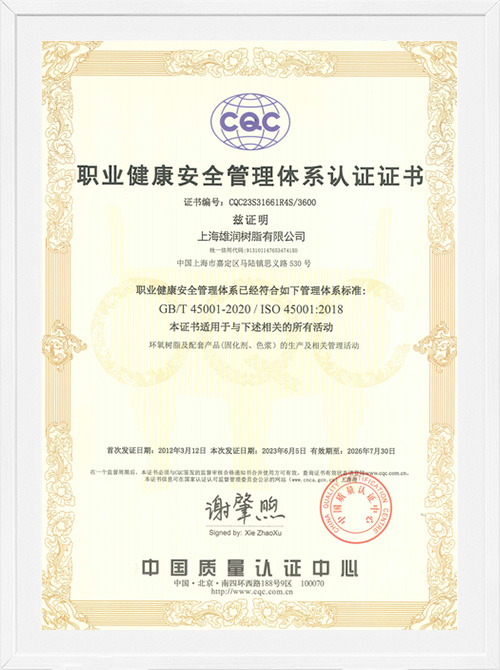
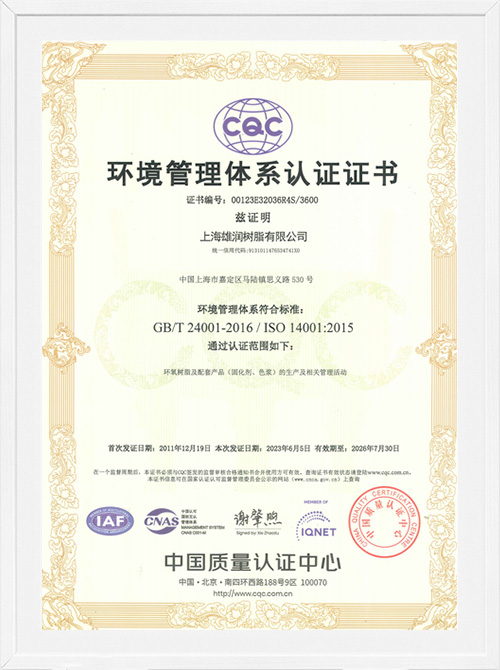
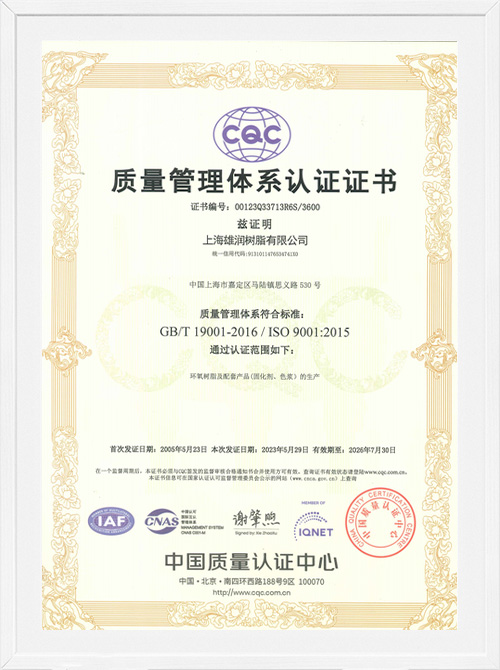
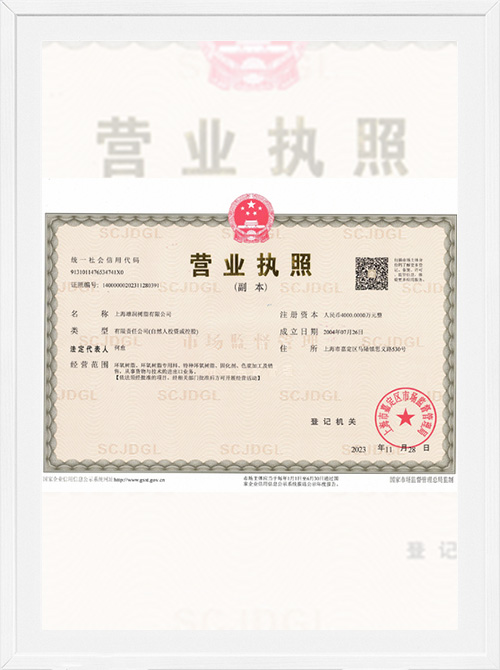
CERTIFIED BY
Certifications
INDUSTRY KNOWLEDGE
Industry Knowledge
Thermally conductive epoxy vs. Thermal paste/grease: When should you use which?
The management of heat in electronic and electrical applications is a critical aspect of product design and reliability. Among the various solutions available for thermal management, high thermal conductivity epoxy resin and thermal paste or grease stand out as widely used materials. Each of these materials has specific advantages and limitations, and the choice between them depends on several factors including thermal performance requirements, mechanical stability, process constraints, and long-term reliability.
Understanding High Thermal Conductivity Epoxy Resin
High thermal conductivity epoxy resin is a specially formulated epoxy that incorporates thermally conductive fillers to efficiently transfer heat away from critical components. Traditional epoxy resins, while providing excellent electrical insulation and mechanical strength, have limited thermal conductivity. By incorporating materials such as aluminum oxide, boron nitride, or other ceramic fillers, thermally conductive epoxy can achieve significantly higher thermal conductivity, often exceeding 2.0 W/m.K in advanced formulations. However, this increased performance comes with challenges. High filler content can reduce processability and negatively impact crack resistance, which must be addressed through specialized formulation techniques. Companies like Xrun have developed proprietary filling technologies to maintain good crack resistance while achieving high thermal conductivity, making the material suitable for applications such as high-frequency transformers, power modules, and other critical electrical equipment.
Characteristics and Advantages of Thermally Conductive Epoxy
The properties of thermally conductive epoxy make it suitable for applications that require both heat dissipation and structural integrity. Some of its key characteristics include:
- Excellent mechanical properties: Despite high filler loading, modern formulations maintain mechanical strength and resistance to cracking.
- High thermal conductivity: Depending on the type and concentration of fillers, values can range from 1.2 W/m.K to more than 2.0 W/m.K, allowing efficient heat transfer from components to heat sinks or casings.
- Good electrical insulation: High thermal conductivity epoxy resin retains strong insulating properties, essential for protecting sensitive electrical components.
- Processability: Advanced formulations allow for vacuum-assisted resin transfer molding (VARTM) and autoclave pressure gel (APG) processes, enabling reliable production even with high filler content.
For example, Xrun offers a series of epoxies such as HW-3985A/B and HW-3965A/B, which combine high thermal conductivity with excellent processability and crack resistance. These properties make them ideal for high-frequency transformers and other high-performance electrical applications.
Thermal Paste and Grease: Function and Limitations
Thermal paste or grease is another commonly used material for managing heat. Unlike thermally conductive epoxy, thermal paste does not harden into a rigid form and is applied as a viscous layer between heat-generating components and heat sinks. This material primarily compensates for surface irregularities, ensuring minimal thermal resistance by filling microscopic air gaps. Its primary advantages include ease of application, reworkability, and compatibility with various surfaces. However, thermal paste has limitations, including potential drying over time, migration, and limited mechanical support, which can affect long-term reliability in demanding applications.
Key Differences Between Epoxy and Thermal Paste
When selecting between high thermal conductivity epoxy resin and thermal paste, it is important to consider the specific demands of the application. The following table highlights some critical differences:
| Feature | Thermally Conductive Epoxy | Thermal Paste/Grease |
|---|---|---|
| Thermal Conductivity | High (1.2–2.0 W/m.K or more) | Moderate (0.5–5 W/m.K, highly dependent on formulation) |
| Mechanical Support | Strong structural support and adhesion | Minimal support; mainly a filler layer |
| Process Requirements | Requires controlled curing and application techniques | Easy to apply and reworkable |
| Long-Term Reliability | Stable over time, resistant to migration and drying | Can dry out or migrate, reducing thermal efficiency |
| Reworkability | Permanently bonded, limited rework | Highly reworkable |
Application Scenarios for High Thermal Conductivity Epoxy Resin
High thermal conductivity epoxy resin is particularly suitable for applications requiring both thermal management and structural support. Typical use cases include:
- Electrical components in high-frequency transformers, where maintaining insulation integrity is critical while dissipating heat efficiently.
- Power modules and electronic packaging, where rigid bonding prevents vibration-induced damage and ensures stable thermal paths.
- Applications in harsh environments, where materials must withstand thermal cycling and mechanical stress without degradation.
In these contexts, the use of thermally conductive epoxy ensures long-term reliability and consistent thermal performance. The ability to maintain high thermal conductivity while providing structural support makes epoxy resins indispensable in advanced electrical and electronic systems.
When to Prefer Thermal Paste or Grease
Thermal paste or grease is preferred in scenarios where components require easy maintenance or frequent reassembly. Examples include:
- Consumer electronics such as CPUs and GPUs, where heat sinks may need removal and reinstallation for upgrades or maintenance.
- Situations where minimal mechanical support is needed, and the primary goal is to reduce thermal resistance across interfaces.
- Applications where long-term structural bonding is not required, and performance degradation over time is acceptable within design tolerances.
Considerations for Material Selection
When deciding between high thermal conductivity epoxy resin and thermal paste, engineers should consider:
- Operating temperature: Epoxies can handle higher temperatures and maintain properties under thermal cycling.
- Mechanical stress: Epoxy provides better adhesion and resistance to vibration or shock.
- Maintenance requirements: Paste allows easier disassembly for repair or component replacement.
- Thermal performance requirements: High-power devices may benefit from the superior conductivity of advanced epoxy formulations.
Xrun’s Role in Advancing Thermally Conductive Epoxies
Founded on Sept.9th,1999, Shanghai Xrun Resin Co., Ltd. is a professional company specializing in electrical insulation materials. With expertise in R&D of epoxy resin and polyurethane insulating glue, Xrun focuses on producing materials for high-performance electrical applications. Its proprietary filling technology has addressed the long-standing challenge of achieving high thermal conductivity while maintaining good processability and crack resistance. The company’s product range includes HW-3905A/B through HW-3987A/B, offering Tg values above 90℃ and thermal conductivity exceeding 2.0 W/m.K for demanding applications. With automatic production lines and strict quality control, Xrun provides reliable solutions for high-frequency transformers, power modules, and other critical components.
By integrating thermally conductive epoxy in their production and offering tailored formulations, Xrun ensures that engineers can select materials that meet both thermal and structural requirements without compromising performance. Their focus on high-quality materials aligns with international standards, making them a trusted supplier for markets in Europe, America, and Southeast Asia.
Conclusion
Choosing between high thermal conductivity epoxy resin and thermal paste is fundamentally a matter of application requirements. Epoxies provide long-term stability, mechanical strength, and high thermal conductivity, making them ideal for permanent installations in high-performance electronic and electrical systems. Thermal paste and grease, on the other hand, excel in applications requiring ease of rework and moderate thermal management. By understanding the characteristics and limitations of each material, engineers can make informed decisions that balance thermal performance, reliability, and operational practicality.
FAQ
Q1: What is the main advantage of using thermally conductive epoxy over thermal paste?
A1: The primary advantage is its ability to provide both high thermal conductivity and structural support, making it suitable for applications that require permanent bonding and mechanical stability.
Q2: Can high thermal conductivity epoxy resin be reworked after curing?
A2: Generally, no. Once cured, the epoxy forms a rigid structure, and reworking is difficult. Thermal paste or grease is preferred if frequent reassembly is needed.
Q3: What are typical applications for thermally conductive epoxy?
A3: Common applications include high-frequency transformers, power modules, electronic packaging, and other electrical components where heat dissipation and mechanical stability are essential.
Q4: How does filler content affect high thermal conductivity epoxy resin?
A4: High filler content increases thermal conductivity but can reduce processability and crack resistance. Advanced formulations, such as those by Xrun, balance these properties to ensure reliable performance.
Q5: Is thermal paste suitable for high-power electrical components?
A5: Thermal paste can manage heat for moderate-power components but may not provide sufficient structural support or long-term reliability for high-power or high-temperature applications.
Message Us Right Now!
Contact
Tel: +86-21-54943138
Phone:
Sales Ricky:+86-136 1183 0385
Sales Jason:+86-186 1635 6961E-mail: [email protected]
[email protected]
[email protected]
Get Connected
Copyright © Shanghai Xrun Resin Co., Ltd. All rights reserved. Privacy Thermally Conductive Epoxy Factory
