
 English
 Français
 русский
 Español
 Deutsch
 عربى
عربى


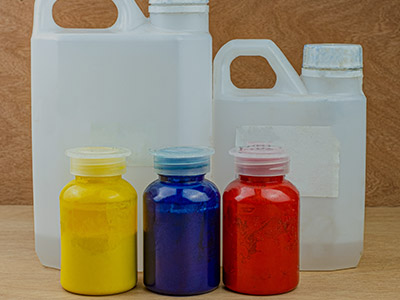

Epoxy Insulating Glue: Complete Guide to Performance Parameters, Applications, and Supplier Selection
Content
- 1 Introduction
- 2 Main Properties of Qualified Epoxy Insulating Glue
- 3 Core Advantages of Professional Epoxy Insulating Glue Suppliers
- 4 Main Application Industries
- 5 Supplier Selection Standards & Market Trend
Introduction
Epoxy insulating glue is a kind of high-performance thermosetting adhesive formulated with epoxy resin as the main raw material, matched with curing agents, fillers and functional additives. It features outstanding electrical insulation capacity, stable physical properties and excellent bonding performance, which makes it an essential insulating and fixing material in modern industrial manufacturing.
With the rapid progress of electronic information, power energy, new energy vehicle and photovoltaic industries, the operating environment of industrial equipment becomes increasingly complex. Higher requirements are put forward for insulation safety, temperature resistance stability and long-term service life of bonding materials. Traditional ordinary adhesives can no longer meet harsh working conditions, so high-standard epoxy insulating glue has gained growing market demand.
Choosing qualified and professional epoxy insulating glue suppliers plays a decisive role in controlling product production cost, stabilizing finished product quality, shortening production cycle and ensuring long-term operational safety of terminal equipment. Reliable suppliers can not only supply standard insulating glue products that conform to industry specifications, but also support targeted formula adjustment according to actual working condition demands, effectively solving various insulation sealing and bonding difficulties in industrial production.
Basic Performance Parameter Reference
- Volume Resistivity: ≥1.0×10¹⁴ Ω·cm
- Dielectric Strength: 18-25 kV/mm
- Operating Temperature Range: -40℃ to 180℃
- Hardness after Curing: Shore D 75-90
- Tensile Shear Strength: 15-30 MPa
- Curing Time: Room temperature curing 2-6 hours, high temperature fast curing 15-60 minutes

Main Properties of Qualified Epoxy Insulating Glue
High-performance epoxy insulating glue is widely recognized as a core material in industrial insulation and bonding applications due to its stable and reliable physical and chemical properties. Qualified products must maintain excellent performance under long-term service, extreme environments, and high-intensity operating conditions, forming a solid protective layer for electronic components, power equipment, and new energy devices. Below are the key performance characteristics that define reliable epoxy insulating glue.
1. Superior Electrical Insulation Performance
Electrical insulation is the most fundamental property of epoxy insulating glue. It effectively blocks current transmission, prevents leakage, short circuits, and electromagnetic interference, and ensures safe and stable operation of electrical systems. Premium products maintain stable insulation performance even under high voltage, high humidity, and long-term aging conditions.
- Volume Resistivity: ≥ 1.0×10¹⁴ Ω·cm
- Dielectric Strength: 18–28 kV/mm
- Dielectric Constant (50Hz): 3.0–4.0
- Dielectric Loss Tangent: ≤ 0.02
2. High Temperature Resistance and Weather Resistance
Industrial-grade epoxy insulating glue exhibits excellent thermal stability and weather resistance, allowing it to adapt to extreme temperature changes, humid environments, ozone exposure, and chemical corrosion. It does not deform, crack, or degrade performance in high-temperature operating environments or low-temperature storage conditions.
- Continuous Operating Temperature Range: -40°C to +180°C
- Short-term Heat Resistance: Up to 200°C
- Low-Temperature Adaptability: No cracking at -40°C
- Moisture Absorption Rate: ≤ 0.5% after 24-hour immersion
3. Strong Adhesion and Sealing Effect
Epoxy insulating glue provides high bonding strength to metals, plastics, ceramics, and composite materials, with firm adhesion and low shrinkage during curing. It delivers reliable sealing, waterproofing, and shock absorption, protecting internal components from vibration, impact, and environmental damage.
- Tensile Shear Strength (metal to metal): 15–30 MPa
- Compressive Strength: 80–120 MPa
- Curing Shrinkage Rate: ≤ 1.0%
- Sealing Grade: IP67 or higher
4. Eco-Friendly Formula and Stable Curing Performance
Qualified epoxy insulating glue uses environmentally friendly raw materials that comply with global industrial environmental protection standards, free of harmful heavy metals and volatile organic compounds. It features controllable curing speed, uniform curing, no bubbles, and stable performance, supporting both room-temperature and high-temperature curing processes.
- VOC Content: ≤ 10 g/L
- RoHS & REACH Compliance: Fully compliant
- Room-Temperature Curing Time: 2–6 hours
- High-Temperature Curing Time: 15–60 minutes
- Storage Life: 6–12 months under sealed conditions
Core Advantages of Professional Epoxy Insulating Glue Suppliers
Professional epoxy insulating glue suppliers stand out in the industry not only by delivering standard qualified products, but also by integrating comprehensive industrial capabilities covering research and development, production, quality management and customized service. Their overall strengths directly determine product stability, application practicability and long-term cooperation value, which become essential reference factors for bulk purchasers and industrial manufacturers.
1. Independent Research and Development Capability
Mature suppliers are equipped with professional material research laboratories and technical teams, focusing on formula optimization, new component matching and performance upgrading. They keep pace with the iteration of downstream industrial technology, continuously adjust raw material proportion and production formula to meet increasingly strict insulation, temperature resistance and environmental protection requirements. Strong R&D strength enables them to break through conventional performance limits and develop special formulas suitable for high voltage, ultra-low temperature, high humidity and other complex working environments.
2. Strict Raw Material Selection and Production Process Control
Reliable suppliers implement unified standards for raw material screening, preferring high-purity epoxy resin, high-efficiency curing agents and inert functional fillers with stable chemical properties. All raw materials will pass strict pre-production inspection to eliminate inferior materials that affect finished product performance. In formal production links, standardized assembly line operation, constant temperature reaction environment and closed mixing technology are adopted to ensure uniform material mixing and stable product viscosity. Complete process monitoring effectively avoids batch difference, uneven curing effect and unqualified insulation indexes caused by irregular operation.
3. Complete Industry Qualifications and Product Certification
Regular professional suppliers have obtained complete enterprise production qualifications and systematic quality management system certifications. All finished products pass multiple professional performance tests before leaving the factory, covering electrical insulation test, high and low temperature aging test, bonding strength test and environmental safety test. The standardized inspection system ensures that all supplied goods meet unified industrial implementation standards, and all performance parameters maintain stable qualified levels in long-term batch supply.
- Qualified product insulation qualification passing rate: above 99.5%
- Batch performance deviation range: within ±3%
- Finished product factory inspection coverage: 100% sampling test
- Long-term aging performance retention rate: above 92%
4. Powerful Customized Formula Service
In addition to conventional general-purpose epoxy insulating glue, excellent suppliers can provide targeted personalized customization services according to different usage scenes, equipment structure and construction requirements. They can flexibly adjust product viscosity, curing speed, hardness after molding, fluidity and color status. Whether users need low-viscosity perfusion type suitable for narrow gaps, high-strength bonding type for fixed assembly, or flame-retardant modified type used in high-safety requirements scenarios, suppliers can complete formula debugging and sample confirmation in a short cycle, and quickly realize mass production to match customers' actual production schedule.
Main Application Industries
Thanks to excellent insulation performance, reliable bonding effect and strong environmental adaptability, epoxy insulating glue has been widely applied in multiple core industrial fields. It can satisfy different working condition demands such as high voltage resistance, heat dissipation protection, shockproof fixation and sealing isolation, and gradually become an indispensable auxiliary material in modern intelligent manufacturing and energy industry.
1. Electronic Components Insulation Encapsulation
In the electronic manufacturing field, epoxy insulating glue is mainly used for encapsulation, potting and internal filling of circuit boards, sensors, integrated circuits and small electronic modules. It can isolate internal circuits from external air, dust and moisture, effectively prevent circuit short circuit and signal interference, and slow down component aging speed. Different fluidity types of products are selected according to internal gap size to achieve full coverage and tight fitting.
- Applicable working voltage range: 5V - 1000V
- Common used viscosity range: 3000 - 50000 mPa·s
- Protection grade after encapsulation: reach IP65 - IP68
- Service life in indoor electronic environment: more than 10 years
2. Power Equipment Insulation Bonding
High-performance epoxy insulating glue is applied to high and low voltage power distribution equipment, transformers, relays, wiring terminals and power cabinets. It undertakes insulation isolation, structural bonding and gap sealing work, effectively improving the overall safety level of power equipment. Under long-term high-load operation, it can keep stable insulation indexes without softening, flowing or performance decline.
- Adaptable high temperature working environment: 120℃ - 180℃
- Withstand instantaneous impact voltage: up to 35kV
- Anti-electrical aging performance retention rate: over 90%
- Moisture-proof and arc-proof comprehensive index meet national power industry standards
3. New Energy Battery and Photovoltaic Industry
In new energy industry, this kind of insulating glue is used for battery module fixing, battery pack internal insulation isolation, photovoltaic panel edge sealing and junction box potting. The working environment of new energy products is complex with large temperature difference and strong vibration, so insulating glue needs to have excellent cold and heat cycle resistance and flame retardant property to ensure stable operation of energy storage equipment and photovoltaic power generation devices in outdoor and harsh environments.
- Cold and heat cycle resistance range: -40℃ ~ 150℃
- Flame retardant grade reach common industry standard level
- Anti-vibration shear resistance: adapt to vehicle-mounted and outdoor installation vibration frequency
- Waterproof and anti-aging performance suitable for long-term outdoor exposure
4. Automotive Electronic Insulation Filling
With the rapid development of automobile electronization, more and more on-board control modules, new energy vehicle driving parts and automobile sensing devices need insulation protection. Epoxy insulating glue is used for internal filling and fixed bonding of automobile electronic parts, which can resist vehicle body jolt, engine peripheral high temperature and rainy day humid environment, and guarantee stable signal transmission and normal operation of on-board electronic systems.
- Shock resistance grade meet vehicle industry vibration test standard
- Oil resistance and chemical corrosion resistance adapt to automobile internal complex medium environment
- Fast curing type match automobile assembly line high-efficiency production rhythm
- Low shrinkage formula avoid electronic element extrusion damage
Supplier Selection Standards & Market Trend
Selecting an ideal epoxy insulating glue supplier is a critical decision that directly affects the quality stability of your end products, production efficiency, and long-term operational costs. It requires a comprehensive evaluation of the supplier’s overall capabilities, rather than just focusing on product prices. At the same time, understanding the latest market trends can help you choose a supplier with development potential, ensuring long-term cooperation and keeping pace with industry upgrades. Below are the core selection standards and in-depth analysis of market trends.
1. Practical Supplier Selection Tips
When selecting an epoxy insulating glue supplier, it is necessary to establish a multi-dimensional evaluation system, combining product quality, supply capacity, technical support and cooperation terms to avoid risks such as unstable product performance, delayed delivery and inadequate after-sales service.
1.1 Evaluate Product Quality Consistency
Product quality consistency is the core of supplier selection. Qualified suppliers should have a complete quality control system to ensure that the performance parameters of each batch of products are within the standard range, without large deviations. You can request the supplier to provide batch test reports, including insulation performance, curing effect, temperature resistance and other key indicators, and conduct sampling inspection on the received goods to verify the consistency of the parameters.
- Acceptable batch performance deviation: ≤ ±3% (for core indicators such as volume resistivity and dielectric strength)
- Qualified rate of each batch of products: ≥ 99.5%
- Validity period of test reports: within 3 months (to ensure the timeliness of detection data)
- Key inspection items: volume resistivity, dielectric strength, curing time, hardness, adhesion strength
1.2 Confirm Stable Supply Capacity
Stable supply capacity is the guarantee of your production continuity. When evaluating suppliers, you need to understand their production scale, raw material reserve capacity, production cycle and emergency supply capacity, especially for bulk purchasers or enterprises with high production demand.
- Monthly production capacity: should meet or exceed your monthly purchase demand by 20% (to cope with sudden demand increase)
- Raw material reserve: enough to support 15-30 days of continuous production
- Standard delivery cycle: 3-7 working days for conventional products; 15-25 working days for customized products
- Emergency supply capacity: able to complete 50% of the conventional order quantity within 48 hours in case of emergency
1.3 Assess Professional Technical Support
Professional technical support can help you solve practical problems in the application process, reduce production losses and improve application effects. Excellent suppliers should have a professional technical team that can provide targeted solutions according to your application scenarios and problems.
- Technical response time: ≤ 2 working hours for general technical questions; ≤ 24 working hours for complex application problems
- Support services: formula adjustment suggestions, construction process guidance, on-site technical debugging (if needed)
- Training support: provide product use and maintenance training for your technical staff
- Problem solving rate: ≥ 95% (for common application problems)
1.4 Compare Reasonable Pricing and Long-Term Cooperation Policy
Pricing is an important factor, but it should not be the only criterion. It is necessary to compare the price-performance ratio of products of different suppliers, and pay attention to the long-term cooperation policy provided by suppliers, which can help reduce long-term procurement costs.
- Pricing principle: transparent and reasonable, no hidden charges; bulk purchase can enjoy 5%-15% discount (depending on the purchase volume)
- Payment terms: flexible payment methods (such as 30% advance payment + 70% balance after delivery) can be provided for long-term cooperative customers
- After-sales compensation: provide corresponding compensation for product quality problems caused by the supplier
- Long-term cooperation benefits: priority supply, price stability guarantee, and priority access to new product samples
2. Stable Supply Support Requirements
Stable supply support is the basis for long-term cooperation between you and the supplier. In addition to the supply capacity mentioned above, you also need to pay attention to the supplier’s supply chain management capabilities and risk response capabilities to avoid supply interruptions caused by external factors.
- Supply chain management: have multiple stable raw material suppliers to avoid supply interruption due to shortage of a single raw material
- Production equipment backup: key production equipment has backup equipment to avoid production suspension due to equipment failure
- Emergency plan: have a complete emergency supply plan to deal with unexpected situations such as natural disasters and policy adjustments
- Information communication: timely feedback production progress, raw material status and delivery information to ensure information transparency
3. Future Industry Development Tendency
Understanding the future development trend of the epoxy insulating glue industry can help you choose a supplier with forward-looking layout and technical advantages, and better adapt to the upgrading needs of your own industry.
3.1 Development towards High Performance and Environmental Protection
With the continuous improvement of industrial environmental protection standards and the upgrading of terminal product performance requirements, epoxy insulating glue will develop in the direction of high insulation, high temperature resistance, low VOC, flame retardant and halogen-free. Suppliers with R&D capabilities will focus on optimizing formulas, using environmentally friendly raw materials, and improving product performance to meet the needs of high-end industries such as new energy and automobile electronics.
3.2 Expansion of Application in Emerging Industries
With the rapid development of new energy (photovoltaic, energy storage, new energy vehicles), aerospace, intelligent manufacturing and other emerging industries, the demand for epoxy insulating glue in these fields will continue to grow. Suppliers who take the lead in layout in these fields and have rich application experience will have more market advantages.
3.3 Intelligent Upgrade of Production and Service
More and more suppliers will adopt intelligent production equipment and information management systems to improve production efficiency, reduce product batch differences, and realize real-time monitoring of production processes. At the same time, they will provide more intelligent services, such as online order query, technical consultation and after-sales feedback, to improve cooperation efficiency.
3.4 Intensification of Industry Integration
The epoxy insulating glue industry will gradually move towards integration and concentration. Small and medium-sized suppliers with insufficient R&D capabilities and unstable product quality will be eliminated, while large-scale suppliers with comprehensive capabilities will expand their market share through integration and acquisition, providing customers with one-stop solutions including product supply, technical support and after-sales service.
Contact
Tel: +86-21-54943138
Phone:
Sales Ricky:+86-136 1183 0385
Sales Jason:+86-186 1635 6961E-mail: [email protected]
[email protected]
[email protected]
Get Connected
Copyright © Shanghai Xrun Resin Co., Ltd. All rights reserved. Privacy Custom Epoxy Resin Systems Suppliers
