 English
 Français
 русский
 Español
 Deutsch
 عربى
عربى


Understanding High Thermal Conductivity Epoxy Resin
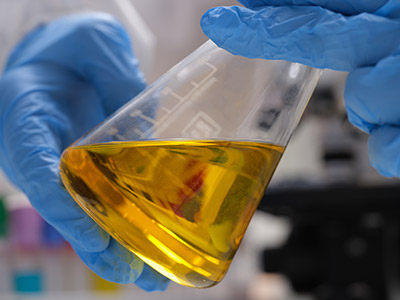
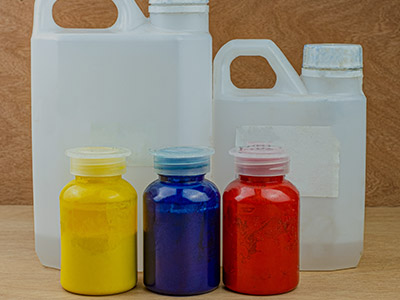
High thermal conductivity epoxy resin is a specialized polymer material engineered to efficiently transfer heat while maintaining strong adhesive and insulating properties. Unlike standard epoxy resins that function primarily as insulators, these thermally conductive formulations incorporate ceramic or metallic fillers that enable rapid heat dissipation across electronic components.
The fundamental purpose of thermally conductive epoxy potting compound is to solve a critical challenge in modern electronics: managing excess heat that can degrade performance and shorten equipment lifespan. In densely packed circuit boards and power-intensive devices, thermal management becomes as important as electrical connectivity.
Key Properties and Specifications
Thermal Conductivity Performance
The thermal conductivity of these materials typically ranges from 0.5 to 5 watts per meter-kelvin (W/mK), depending on filler concentration and composition. This represents a significant improvement over unfilled epoxy resins, which operate around 0.25 W/mK. Higher thermal conductivity values enable faster heat transfer away from sensitive components, maintaining optimal operating temperatures.
Electrical Properties
Despite their thermal enhancement, high-performance formulations maintain excellent electrical insulation characteristics. Most thermally conductive epoxy compounds achieve dielectric strengths exceeding 15 kilovolts per millimeter, ensuring safe operation in high-voltage environments. This dual functionality eliminates the need for separate thermal and electrical management solutions.
Mechanical Strength
These materials exhibit tensile strengths between 50 to 80 megapascals and flexural strengths ranging from 80 to 130 megapascals. The inclusion of ceramic fillers provides rigidity while the epoxy matrix maintains flexibility, preventing brittle failure under thermal stress or mechanical vibration.
Temperature Resistance Range
Most formulations maintain their properties across temperatures from -40 degrees Celsius to 150-200 degrees Celsius, with some specialized variants reaching 250 degrees Celsius. This wide operational range makes them suitable for both cryogenic and high-temperature industrial applications.
Material Composition and Fillers
Ceramic Fillers
Alumina (aluminum oxide) and aluminum nitride are the most commonly used ceramic fillers. These materials possess high thermal conductivity and remain electrically insulating. Particles are typically sized between 1 and 50 micrometers, optimized to distribute evenly throughout the epoxy matrix without creating conductive pathways.
Metallic Additives
Silver and copper particles enhance thermal transfer but require careful formulation to prevent electrical conductivity. When used selectively or in isolated configurations, metallic fillers can triple thermal performance while maintaining safe electrical properties for specific applications.
Epoxy Base Resin Selection
The choice of epoxy resin system affects the final material's processing characteristics and thermal properties. Bisphenol-A (BPA) based resins offer cost-effectiveness, while bisphenol-F (BPF) systems provide improved mechanical properties. Some manufacturers employ proprietary formulations optimized for specific industrial requirements.
Filler Loading Percentages
Thermal conductivity improves with higher filler content, typically ranging from 40% to 80% by weight. However, excessive filler loading reduces mechanical flexibility and complicates processing. Manufacturers balance these competing factors based on the intended application requirements.
Industrial Applications and Use Cases
Power Electronics and LED Assemblies
High-power semiconductor devices and light-emitting diode assemblies generate substantial heat that must be rapidly dissipated. Thermal potting compounds encapsulate these components while conducting heat to external cooling systems. This application represents one of the largest market segments due to the exponential growth in renewable energy and solid-state lighting.
Automotive Electronics
Modern vehicles contain dozens of electronic control modules operating under extreme temperature variations and vibration stress. Engine compartment electronics require materials capable of withstanding sustained high temperatures while providing reliable electrical isolation. Battery management systems in electric vehicles particularly benefit from enhanced thermal management.
Telecommunications Infrastructure
Data center equipment, 5G transmission systems, and network infrastructure continuously operate under demanding conditions. High thermal conductivity compounds protect sensitive components while maintaining system reliability across decades of operation. The cooling efficiency directly impacts operational costs and environmental sustainability.
Industrial Motor Controls
Inverters, variable frequency drives, and motor controllers represent critical industrial infrastructure handling high current loads. Thermal management in these devices directly affects efficiency, lifespan, and safety margins. Strategic potting with conductive compounds reduces cooling requirements and extends service life.
Medical and Aerospace Components
Mission-critical applications demand exceptional reliability and thermal stability. Medical imaging equipment, surgical instruments, and aerospace guidance systems employ high thermal conductivity epoxy for both thermal management and electrical safety. The cost premium is justified by the performance and reliability requirements.
Manufacturing and Processing Considerations
Preparation and Mixing
Proper particle dispersion determines final material properties. The high filler content increases mixture viscosity significantly, requiring specialized mixing equipment such as planetary mixers or three-roll mills. Inadequate mixing results in inhomogeneous thermal conductivity and weakened mechanical properties. Processing must occur within specific temperature ranges to prevent premature cure.
Degassing Requirements
Air entrapment during mixing reduces thermal contact between filler particles, significantly degrading heat transfer efficiency. Vacuum degassing cycles remove dissolved gases and bubbles, improving thermal conductivity by 10-20% in many formulations. The additional processing step adds cost but proves essential for demanding applications.
Cure Schedules and Processing Windows
Formulation chemistry determines appropriate cure temperatures and processing times. Room-temperature cure systems offer convenience but extend the working window to several hours, while elevated-temperature systems may cure in 30 minutes. The choice impacts production throughput and labor requirements in manufacturing environments.
Quality Control Parameters
Thermal conductivity testing employs standardized methods including guarded heat flow meter techniques. Electrical property verification ensures dielectric integrity, while mechanical testing confirms adhesion and strength. Batch consistency directly affects end-user reliability, necessitating rigorous quality assurance protocols.
Advantages Over Conventional Solutions
- Eliminates the need for separate thermal and electrical management materials, simplifying assembly processes
- Provides superior vibration damping compared to hard potting materials, enhancing mechanical reliability
- Offers better moisture resistance than mineral oils or greases, improving long-term performance
- Enables flexible design iterations through formulation adjustments tailored to specific requirements
- Reduces overall system cooling requirements, lowering energy consumption and operational costs
- Provides chemical protection for sensitive electronics in harsh industrial environments
- Maintains consistent properties across extended temperature ranges typical of industrial applications
Technical Challenges and Limitations
Viscosity Management
High filler content creates thick, difficult-to-process materials that challenge traditional casting and injection molding techniques. Achieving complete component coverage without entrapping air requires careful process engineering and specialized equipment investment.
Cost Considerations
Thermal fillers, specialized manufacturing equipment, and rigorous quality control increase material and production costs substantially. Applications where thermal management proves critical justify this investment, but cost-sensitive markets may require performance compromises.
Thermal Cycling Stress
Repeated heating and cooling cycles create differential expansion stresses between the epoxy matrix and filler particles. Long-term reliability depends on formulation design that accommodates these mechanical stresses without developing voids or micro-cracks that degrade thermal performance.
Interface Resistance
Contact resistance between filler particles and the surrounding resin matrix affects overall thermal conductivity. Even small interface gaps act as thermal insulators, reducing effective heat transfer rates. Achieving optimal particle packing and surface properties requires sophisticated formulation expertise.
Selecting the Right Formulation
Choosing appropriate epoxy resin for electronics requires evaluating multiple interconnected factors beyond simple thermal conductivity values.
Application Temperature Requirements
Identify the maximum sustained operating temperature and the range of expected thermal cycling. This determines which epoxy resin system and filler chemistry can reliably maintain performance. Aerospace and automotive applications typically demand higher temperature capability than consumer electronics.
Heat Dissipation Pathways
Calculate the actual heat flow path from the component to the external cooling medium. Thermal conductivity alone matters less than the overall path resistance. Geometry, material interfaces, and contact pressures significantly influence real-world performance.
Electrical Requirements
Assess voltage levels, electrical frequency (DC, low-frequency AC, or RF), and leakage current specifications. Some applications require premium dielectric performance, while others permit moderate electrical conductivity if properly isolated from high-voltage circuits.
Mechanical Performance Demands
Consider vibration exposure, mechanical shock, and the need for stress relief in encapsulated components. Some applications benefit from relatively flexible compounds that absorb stress, while others require rigid potting for mechanical protection.
Processing and Manufacturing Constraints
Manufacturing environment capabilities, available equipment, operator expertise, and production volume requirements drive formulation selection. A laboratory-proven material may prove impractical in high-volume production if processing proves difficult or yield rates suffer.
Cost-Performance Balance
Determine the acceptable cost premium for thermal management benefits. Some applications justify premium formulations, while others require cost-optimized solutions with modest thermal enhancement.
Emerging Trends and Future Developments
Advanced Filler Technologies
Researchers explore graphene, boron nitride nanotubes, and diamond nanoparticles as potential filler materials. These advanced materials promise thermal conductivity improvements while potentially reducing filler loading percentages, improving mechanical properties and processing characteristics.
Hybrid Filler Systems
Combining multiple filler types at different particle sizes creates optimized particle packing that improves thermal conductivity efficiency. Strategic placement of high-conductivity particles with optimized geometry enhances heat transfer pathways beyond simple weight-percentage calculations.
Self-Healing and Smart Materials
Incorporation of healing agents or temperature-responsive polymers addresses thermal fatigue and interface degradation. These innovations extend service life in demanding thermal cycling applications by autonomously repairing micro-damage before it propagates into system-level failures.
Sustainability and Bio-based Formulations
The industry increasingly pursues epoxy systems derived from renewable feedstocks and recycled content fillers. These developments reduce environmental impact without compromising thermal or electrical performance, appealing to manufacturers with sustainability commitments.
Process Automation and Digital Manufacturing
Automated mixing, dispensing, and cure monitoring systems improve consistency and reduce defects. Artificial intelligence and machine learning optimize processing parameters based on material properties and environmental conditions, enhancing quality and reducing waste.
Frequently Asked Questions
Q1: What is the difference between high thermal conductivity epoxy and standard epoxy potting compound?
Standard epoxy resins provide electrical insulation but transfer heat poorly, with thermal conductivity around 0.25 W/mK. High thermal conductivity formulations incorporate ceramic or metallic fillers, achieving 0.5 to 5 W/mK or higher, enabling effective heat dissipation while maintaining electrical properties. The filler content increases material cost but solves critical thermal management challenges in power electronics and demanding applications.
Q2: Can thermally conductive epoxy replace traditional heat sinks?
No, but it complements heat sink systems. The epoxy transfers heat from components to the surrounding structure or heat sink more efficiently than standard materials. In applications where direct mounting on heat sinks proves impractical, thermally conductive potting compounds provide significant improvement over conventional alternatives. Optimal designs often combine both technologies.
Q3: How long does high thermal conductivity epoxy take to cure?
Cure time varies based on formulation chemistry. Room-temperature cure systems typically require 24 hours for full cure, with working times of 2-4 hours. Elevated-temperature systems may cure in 30 minutes to 4 hours at temperatures ranging from 80 to 150 degrees Celsius. Manufacturers specify cure schedules precisely, and shorter working times often correlate with faster processing but reduced flexibility for complex assembly operations.
Q4: Is thermally conductive epoxy electrically conductive?
Most formulations remain electrically insulating despite thermal enhancement. Dielectric strengths typically exceed 15 kV/mm, providing safe electrical isolation in high-voltage applications. However, some specialized formulations incorporate conductive fillers for specific applications requiring electrical conductivity. Specifications always clarify electrical properties, and users must verify suitability for their voltage requirements.
Q5: What factors affect the thermal conductivity performance in real applications?
Several factors influence actual thermal conductivity: air voids reduce effective conductivity by disrupting particle contact, improper filler dispersion creates thermal resistance paths, interface resistance between particles and resin matrix affects overall performance, and component geometry influences the actual heat flow pathway. Proper manufacturing with degassing and quality control is essential to achieve specified thermal properties.
Q6: How do I determine the thermal conductivity value I need for my application?
Calculate the total thermal resistance of your system, including component heat generation, material thermal resistance, and ambient heat dissipation capability. Work backward from acceptable component temperature limits to determine required thermal conductivity. Simulation software and thermal modeling tools help predict performance before production commitment. When uncertain, consult with material specialists who can evaluate your specific requirements.
Q7: Can thermally conductive epoxy be reworked after curing?
Traditional thermoset epoxies cannot be melted or reformed after cure. However, some manufacturers offer thermoplastic alternatives that permit rework through heating. Standard thermally conductive epoxies provide permanence suitable for reliability-critical applications but eliminate rework options. Product selection depends on whether reworkability or permanent bonding matters for your application.
Q8: Are thermally conductive epoxies suitable for outdoor or harsh environmental applications?
Yes, one significant advantage of epoxy potting compounds is superior environmental protection compared to liquid cooling or bare component approaches. The material resists moisture ingress, chemical attack, and UV degradation when formulated appropriately. Outdoor applications benefit from the combination of thermal management and chemical protection that integrated potting systems provide.