
 English
 Français
 русский
 Español
 Deutsch
 عربى
عربى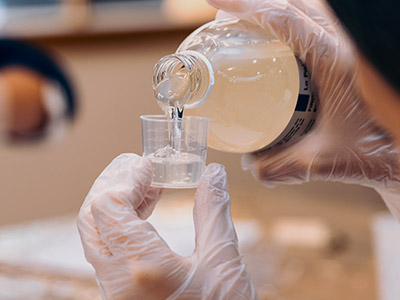



How to Select the Right PU Insulating Glue for Your Application
Content
- 1 What Sets PU Insulating Glue Apart from Other Adhesives
- 2 Technical Specifications: What Buyers Must Evaluate
- 3 Where PU Insulating Glue Delivers Maximum Value
- 4 Price Variations: Understanding the Cost Structure of PU Insulating Glue
- 5 Identifying and Evaluating Reliable PU Insulating Glue Suppliers
- 6 Step-by-Step Guide to Sourcing PU Insulating Glue
- 7 Quality Assurance: Verifying PU Insulating Glue Performance
- 8 Best Practices for Applying PU Insulating Glue
- 9 Common Issues and Troubleshooting Solutions
- 10 Environmental Considerations and Sustainable Sourcing
- 11 Frequently Asked Questions
- 11.0.1 Q1: What distinguishes PU insulating glue from standard polyurethane adhesives?
- 11.0.2 Q2: How long does PU insulating glue maintain shelf stability?
- 11.0.3 Q3: Can PU insulating glue be applied in outdoor or high-moisture environments?
- 11.0.4 Q4: What is the typical curing time before handling assembled components?
- 11.0.5 Q5: How do I determine the correct mix ratio for two-component formulations?
- 11.0.6 Q6: Are there application limitations regarding substrate materials?
- 11.0.7 Q7: Can PU insulating glue be used for high-temperature electrical applications?
- 11.0.8 Q8: What factors affect the pricing variance between suppliers?
- 11.0.9 Q9: How can I verify quality compliance after material delivery?
- 11.0.10 Q10: What safety precautions should operators follow during application?
- 12 Final Recommendations and Next Steps
- 13 Application Suitability Matrix
When electrical equipment failures occur due to improper insulation, the costs can be devastating. A single short circuit caused by inadequate adhesive performance can compromise an entire system, resulting in costly repairs, downtime, and potential safety hazards. This is where PU insulating glue becomes critical. Unlike standard adhesives, PU insulating glue combines exceptional bonding strength with superior electrical insulation properties, making it the preferred choice for high-performance applications across electrical and construction industries.
The challenge for procurement professionals and engineers is navigating the wide range of available options, understanding technical parameters, evaluating pricing, and identifying trustworthy suppliers. This comprehensive guide walks you through every critical aspect of selecting and sourcing polyurethane insulating adhesive, helping you make informed decisions that balance performance requirements with cost efficiency.
What Sets PU Insulating Glue Apart from Other Adhesives
Polyurethane insulating adhesive represents a distinct category within the broader adhesive market. Its dual functionality—simultaneous bonding and electrical insulation—differentiates it from conventional adhesives and makes it invaluable in specialized applications where both properties are non-negotiable.
Core Performance Advantages
PU insulating glue delivers several key performance metrics that make it suitable for demanding environments:
- Insulation resistance ratings typically ranging from 10^12 to 10^14 ohm-cm, ensuring long-term electrical safety
- Dielectric strength values between 20 to 30 kV/mm, preventing electrical breakdown under high voltage stress
- Thermal stability from minus 40 degrees Celsius to 120 degrees Celsius, maintaining integrity across temperature extremes
- Low moisture absorption characteristics, critical for preventing performance degradation in humid environments
- Corona resistance properties that extend component lifespan in high-voltage applications
Comparison with Epoxy Insulating Adhesives
While epoxy insulating adhesives offer high mechanical strength, polyurethane formulations provide distinct advantages. PU-based systems exhibit superior flexibility and lower internal stress during cure, reducing the risk of micro-cracking that can compromise insulation integrity. Epoxy adhesives tend to be more rigid, which can create stress concentrations at material interfaces—a particularly problematic issue in applications subject to thermal cycling. Additionally, polyurethane insulating adhesive typically requires simpler surface preparation and demonstrates better adhesion to diverse substrate materials.
Understanding Foam vs. Non-Foam Formulations
A critical distinction exists between expanding polyurethane foam systems and non-foaming insulating adhesives. Electrical insulation applications almost exclusively require non-foaming or controlled-expansion formulations. The reason is straightforward: gas voids within the cured adhesive dramatically reduce insulation resistance and dielectric strength. Non-foaming PU insulating glue maintains a dense, homogeneous structure that provides consistent electrical properties throughout the bond line.
Technical Specifications: What Buyers Must Evaluate
Selecting the correct PU insulating glue grade requires understanding the technical parameters that impact both performance and pricing. Suppliers often quote significantly different prices for products that appear similar, but careful specification analysis reveals why these variations exist.
Critical Parameters and Their Implications
The following table outlines key technical specifications you should review before initiating purchase inquiries:
| Parameter | Typical Range | Impact on Application |
|---|---|---|
| Gel Time (minutes) | 60 to 400 | Controls working time and production pace |
| Mix Ratio (A:B) | 1:1 to 2:1 by weight | Affects batch accuracy and material usage |
| Viscosity (cPs) | 500 to 5000 | Determines application method and coverage |
| Flame Retardant Grade | UL94 V0 or V1 | Required by safety standards in many jurisdictions |
| Dielectric Strength | 20 to 30 kV/mm | Core electrical performance metric |
| Thermal Conductivity | 0.2 to 0.9 W/m-K | Higher values improve heat dissipation |
Why Gel Time Matters for Your Operation
Gel time—the period during which mixed adhesive remains workable—directly influences production efficiency. For applications requiring rapid assembly, products with 60 to 90 minute gel times enable faster production cycles but demand careful workflow management. Conversely, projects involving complex assemblies or manual application benefit from extended gel times of 300 to 400 minutes, allowing operators adequate time for precise positioning and correction. Mismatching gel time to your production requirements leads to either wasted material or assembly delays.
Understanding Mix Ratios and Batch Accuracy
Two-component systems require precise ratio control. A 1:1 ratio by weight simplifies batching—equal volumes can be measured directly. A 2:1 ratio demands more careful attention to ensure stoichiometric mixing. Incorrect ratios result in incomplete curing, altered gel times, and compromised electrical properties. This is why batch preparation methodology significantly impacts final product performance.
The Role of Additives and Flame Retardancy
Flame-retardant formulations incorporate halogenated or mineral additives that increase material cost but satisfy mandatory safety certifications. Standard polyurethane insulating adhesive may not meet UL94 V0 requirements without these additives. When your application demands UL94 certification—common in electrical equipment sold in regulated markets—flame-retardant grades are mandatory despite higher per-unit costs. Confirming this requirement upfront prevents costly redesigns or sourcing delays.
Where PU Insulating Glue Delivers Maximum Value
Understanding which applications benefit most from polyurethane insulating adhesive helps justify investment and guides purchasing strategy. The material's dual-function capability—bonding plus electrical insulation—creates distinct advantages in specific sectors.
Electrical Equipment and Power Systems
Transformers, switchgear, and cable terminations represent the largest end-market for PU insulating glue. In these applications, the adhesive must withstand sustained high voltages while maintaining mechanical integrity despite thermal cycling and vibration. Transformer coil bonding is particularly demanding: the adhesive must secure windings during manufacture while providing insulation resistance that persists for 20+ years of service. Cable joint encapsulation requires similar long-term reliability. Specifying incorrect adhesive in these applications creates unacceptable risk profiles—potential field failures are catastrophic.
Building Envelope and Thermal Insulation
The construction sector increasingly employs polyurethane insulating adhesive for bonding thermal insulation panels to building facades. Expanded polystyrene (EPS) and extruded polystyrene (XPS) panels require adhesives that provide both mechanical bond strength and moisture resistance. PU formulations excel in this context because they absorb minimal moisture—critical in damp climates—and their inherent insulation properties complement the thermal performance of the panel system. Additionally, polyurethane insulating adhesive maintains flexibility, accommodating minor building movement without de-bonding.
Electronic Component Protection
Circuit boards, sensor modules, and high-reliability electronic assemblies benefit from potting or encapsulation with PU insulating adhesive. The material protects sensitive components from moisture ingress, provides mechanical shock absorption, and offers electrical insulation that prevents cross-circuit faults. Consumer electronics, automotive electronics, and industrial control systems increasingly employ this protection strategy as components operate at higher power densities and environmental stresses intensify.
Composite and Multi-Material Assembly
Modern engineering frequently combines materials with different thermal expansion coefficients—metal, plastic, ceramic, and composite substrates in single assemblies. Standard adhesives often fail at these interfaces due to stress concentration. Polyurethane insulating adhesive demonstrates superior adhesion to diverse materials and accommodates differential expansion through controlled flexibility, making it ideal for mixed-material systems common in aerospace, automotive, and industrial equipment.
Price Variations: Understanding the Cost Structure of PU Insulating Glue
Procurement managers frequently encounter significant price variations for apparently similar products. Understanding the cost drivers empowers you to make economically sound decisions and accurately budget for materials. A quote of forty dollars per kilogram for one formulation versus eighty dollars for another may represent genuine value differences rather than pricing inconsistency.
Formulation Complexity and Additive Packages
Standard insulating-grade polyurethane systems represent the baseline cost tier. Enhanced formulations incorporating thermally conductive fillers—designed to conduct heat away from electrical components—command 30 to 50 percent price premiums. Thermal conductivity improvements from 0.2 to 0.8 W/m-K require specialty filler materials that significantly increase raw material costs. When your application involves heat-generating components where thermal management is critical, this premium delivers justifiable value.
Flame-retardant systems impose additional costs through specialized additives. UL94 V0 certification requires halogenated compounds or expensive mineral flame retardants that increase material cost by 25 to 40 percent. If your market regulations mandate flame retardancy, this cost is non-negotiable. However, many industrial applications can operate with UL94 V1 or even non-flame-retardant systems, offering cost savings while meeting actual requirements.
Certification and Testing Requirements
Product certifications represent hidden costs absorbed by manufacturers, which influence final pricing. ISO9001 quality management system maintenance, third-party electrical testing (dielectric breakdown verification), and accelerated aging studies all add to manufacturing overhead. Suppliers offering comprehensive technical documentation and test reports charge accordingly. When you require verified performance data and traceability, expect corresponding pricing premiums—these reflect genuine value in risk mitigation.
Packaging Format and Minimum Order Quantities
Small quantities packaged in individual containers command significantly higher per-kilogram pricing compared to bulk orders. A single kilogram cartridge might cost three times the price of the same material purchased in 200-kilogram drums. Minimum order quantities (MOQ) typically start at 20 to 50 kilograms for custom formulations but decrease substantially for standard grades. High-volume users enjoy better pricing; low-volume users accept premium costs or negotiate extended payment terms to justify supplier engagement.
Supply Chain and Regional Sourcing
Geographic location influences pricing through logistics costs, currency exchange, and regional supply-demand dynamics. Understanding where your material originates and optimizing logistics pathways can yield 10 to 20 percent cost reductions. However, pursuing lowest-cost sourcing at the expense of supplier reliability creates risk; a supplier unable to consistently deliver on-spec material costs far more than modest price premiums for dependable partners.
Strategic Purchasing Approach
Effective procurement strategy requires matching product specification to application requirements—over-specifying flame retardancy or thermal conductivity unnecessarily inflates costs. Simultaneously, under-specifying introduces performance risks. The optimal approach involves detailed requirements definition, obtaining quotations for precisely-matched formulations, and negotiating volume commitments that unlock better pricing for longer-term partnerships.
Identifying and Evaluating Reliable PU Insulating Glue Suppliers
Supplier selection profoundly impacts long-term cost, quality consistency, and supply security. A polyurethane insulating adhesive supplier must demonstrate technical competence, quality discipline, and operational stability. Evaluating these factors requires systematic assessment beyond simple price comparison.
Verifying Supplier Credentials and Operational Capacity
Start by confirming basic operational metrics: manufacturing facility location, years in business, production capacity, and organizational structure. Suppliers with in-house research and development capabilities can customize formulations to address your specific needs—a valuable advantage that pure trading distributors cannot provide. Facility certifications (ISO9001, ISO14001, UL listing) indicate disciplined manufacturing processes and third-party validation of quality systems.
Request documentation of quality control procedures: how frequently do they test cured samples? What statistical process controls monitor consistency? Can they provide certificates of analysis for each batch? Suppliers unable to document these practices present unacceptable risk for critical applications.
Technical Data and Sample Evaluation Protocol
Every quotation should include complete Technical Data Sheet (TDS) documentation with measured test results, not merely theoretical values. Request Material Safety Data Sheets (MSDS) to understand handling requirements and safety considerations. Most critically, request small samples for compatibility testing with your specific substrates before committing to large orders.
Evaluate how suppliers respond to technical inquiries. Do they ask clarifying questions about your application, or do they simply provide generic recommendations? Suppliers who invest time understanding your requirements demonstrate genuine capability and commitment. Conversely, suppliers who provide immediate quotes without application investigation likely lack deep technical expertise.
Customization and Problem-Solving Capability
Manufacturing realities often require minor formulation adjustments: accelerating or extending gel time to match production pace, adjusting viscosity for specific application methods, or tweaking filler content for optimal thermal conductivity. Suppliers with formulation flexibility can accommodate these refinements without extensive lead times. This capability becomes invaluable as your processes evolve or production scales.
Quality Consistency and Supply Reliability
Establish baseline expectations: What is the typical batch-to-batch variation in gel time? How frequently are formulations reformulated? What happens if an order must be expedited? Suppliers with raw material inventory buffers and proven logistics networks provide supply security that protects your production schedule. A supplier unable to provide emergency batches during supply disruptions imposes hidden costs through production delays.
Long-Term Partnership Framework
Evaluate contractual flexibility: Can you negotiate volume commitments in exchange for pricing discounts? Will the supplier accommodate technical collaboration as your applications evolve? Do they provide regular business reviews analyzing consumption patterns and identifying optimization opportunities? Superior suppliers view customer relationships as long-term partnerships, not transactional interactions.
Step-by-Step Guide to Sourcing PU Insulating Glue
Moving from general understanding to specific supplier selection follows a structured process. Following this methodology reduces risk, accelerates decision-making, and ensures alignment between material specifications and application requirements.
Step 1: Define Application Requirements
Document the specific parameters your application demands. What is the operating voltage? Temperature range? Substrate materials requiring bonding? Expected product lifespan? Environmental exposures (moisture, vibration, thermal cycling)? Required certifications or regulatory compliance standards? This specification document becomes your sourcing blueprint, ensuring all quotes address identical requirements.
Step 2: Identify Critical Parameters
Translate application requirements into specific adhesive parameters. If rapid assembly is essential, specify acceptable gel time ranges. If thermal management is critical, define required thermal conductivity values. If regulatory certification is mandatory, specify flame retardant grades explicitly. This translation step prevents miscommunication with suppliers and ensures accurate pricing.
Step 3: Request Comprehensive Technical Documentation
Contact potential suppliers with your requirements. Request complete TDS with measured test data, MSDS, application guidelines, and shelf-life information. Ask specific questions: Can they meet your specifications? What is their minimum order quantity? What is their typical lead time? What certifications can they provide? Suppliers' responses to these inquiries reveal their technical depth and customer service orientation.
Step 4: Conduct Sample Evaluation
Obtain small samples from promising suppliers. Conduct compatibility testing with your actual substrates—never rely on theoretical compatibility. Test assembly processes at planned application conditions. Evaluate gel time and working properties in your actual manufacturing environment. This practical evaluation frequently reveals issues that technical data alone cannot predict.
Step 5: Negotiate Terms and Pricing
Once you identify a preferred formulation and supplier, discuss volume commitments, pricing tiers, delivery schedules, and technical support arrangements. Suppliers often provide more favorable pricing and prioritized support for committed volume partners. Negotiate extended payment terms if cash flow permits, and establish agreements addressing emergency orders or expedited shipments.
Step 6: Establish Quality and Logistics Framework
Formalize quality expectations: frequency of incoming inspection, acceptable batch-to-batch variation limits, and procedures for handling non-conforming material. Establish logistics procedures: standard order quantities, lead times, inventory management protocols, and procedures for expedited orders. Clear agreements prevent misunderstandings and support long-term partnership stability.
Quality Assurance: Verifying PU Insulating Glue Performance
Receiving material from a supplier marks the beginning, not the conclusion, of quality management. Systematic incoming inspection and periodic testing ensure that material consistently meets specifications throughout its shelf life and across multiple batches.
Incoming Inspection Procedures
Establish baseline incoming testing for each new shipment: verify gel time on fresh material, confirm mixing ratio behavior, and test viscosity values. Compare results to certificate of analysis provided by the supplier. Systematic testing rapidly identifies supply issues—a gel time that drifts five percent beyond specification may indicate raw material variation or process drift requiring supplier communication and corrective action.
Shelf-Life Management
Polyurethane insulating adhesive degrades slowly over time; gel time may extend and viscosity may increase as materials age. Establish shelf-life limits based on your specific material—typically 12 to 24 months under proper storage—and rotate inventory accordingly. Store containers in cool, dry conditions away from direct sunlight. Protect containers from moisture, a primary cause of premature material degradation.
Process Control Testing
Beyond receiving inspection, conduct periodic performance testing of in-process material. Monthly testing of gel time, dielectric strength (on representative cured samples), and cure temperature profiles ensures that your manufacturing process consistently delivers desired properties. Statistical control charts tracking these metrics provide early warning of process drift, enabling corrective action before scrap or rework occurs.
Best Practices for Applying PU Insulating Glue
Correct application methodology significantly impacts final performance. Even excellent material yields poor results if application technique is neglected. Establishing clear procedures ensures consistent, high-quality results across all production batches.
Surface Preparation Fundamentals
Most adhesion failures originate from inadequate surface preparation. Remove oils, dust, and loose coatings from bonding surfaces. Light sanding (80 to 120 grit) increases surface roughness, improving mechanical interlocking. Allow cleaned surfaces to air-dry completely before adhesive application. Moisture-contaminated surfaces dramatically reduce adhesion performance and can interfere with proper cure. For critical applications, use solvent wiping followed by lint-free cloth drying to ensure surface cleanliness.
Accurate Mixing and Batch Preparation
Measure component quantities precisely according to the specified mix ratio. For two-component systems with 1:1 ratios, dispense equal volumes into a clean container. For 2:1 or other ratios, use calibrated scales or graduated containers to achieve accurate proportions. Mix thoroughly for at least two minutes using a mechanical mixer or hand-mixing procedure. Improper mixing leads to incomplete cure, altered gel time, and degraded electrical properties.
Application Rate and Bond Line Thickness
Apply adequate adhesive to ensure complete wetting of bonding surfaces without excess. The optimal bond line thickness typically ranges from 0.5 to 2 millimeters—thick enough to bridge surface irregularities but thin enough to promote rapid cure and minimize shrinkage stress. Excess adhesive creates waste and slows cure; insufficient application results in voids and weak bonds. Training operators on visual and tactile cues for appropriate adhesive quantity improves consistency.
Cure Condition Control
Temperature significantly impacts cure rate. Standard formulations achieve full cure in 24 hours at room temperature (20 to 25 degrees Celsius). Elevated temperatures (40 to 50 degrees Celsius) accelerate cure to 6 to 12 hours. Conversely, cold conditions dramatically slow cure rates. Establish consistent cure environment conditions: control temperature within plus or minus 5 degrees Celsius, and maintain relative humidity between 40 and 60 percent. Uncontrolled environmental conditions create batch-to-batch property variations that undermine quality consistency.
Safety and Handling Considerations
Although less toxic than traditional epoxies, polyurethane systems require proper handling. Component materials may cause skin irritation or respiratory sensitization. Ensure adequate ventilation during mixing and application. Provide operators with appropriate personal protective equipment: gloves, safety glasses, and respiratory protection if necessary based on your specific material's MSDS requirements. Establish clear procedures for cleanup and disposal of uncured material and contaminated equipment.
Common Issues and Troubleshooting Solutions
Manufacturing environment challenges occasionally create adhesive performance variations. Understanding common issues and their remedies enables rapid problem-solving without disrupting production or compromising quality.
Extended or Variable Gel Time
If curing is noticeably slower than historical baseline, consider environmental temperature. Cold conditions dramatically slow polyurethane cure. Verify that storage and application environments maintain adequate temperature. Measure actual material viscosity; if viscosity increases above normal ranges, material may be approaching shelf-life expiration. Contact your supplier to confirm material age and storage history. Never attempt to "accelerate" cure using excessive heat, which can create voids and degrade electrical properties.
Weak Adhesion or De-bonding
Investigate surface preparation procedures first. Oils, silicone release agents, or dust on bonding surfaces create adhesion barriers. Repeat surface cleaning and ensure complete drying before adhesive application. Verify mixing accuracy—incorrect ratios prevent complete cure and result in poor adhesion. Evaluate environmental conditions during cure: temperature excursions or excessive humidity can interfere with polymer formation. If problems persist despite correct procedure, contact your supplier with samples for evaluation.
Void Formation in Cured Adhesive
Voids typically originate from air entrapment during mixing or application. Use mechanical mixing to minimize air incorporation. Apply adhesive with adequate pressure to ensure complete wetting of substrates. For potting applications, use gentle vibration to release trapped air bubbles. If environmental temperature is too low, cure may trap volatiles that create voids. Ensure adequate temperature during cure phase.
Color Variation Across Batches
Slight color variation is normal for polyurethane formulations and does not indicate performance degradation. However, significant darkening may suggest exposure to light or elevated temperature during storage. Verify storage conditions and material age. If color variation correlates with performance issues, contact your supplier immediately.
Environmental Considerations and Sustainable Sourcing
Modern supply chain practices increasingly incorporate environmental sustainability criteria. Selecting polyurethane insulating adhesive from environmentally responsible suppliers aligns with corporate sustainability commitments while supporting long-term regulatory compliance.
Evaluating Supplier Environmental Practices
Request information about supplier environmental management: Do they hold ISO14001 certification? What waste reduction measures have they implemented? How do they handle manufacturing waste and solvent disposal? Suppliers with genuine environmental commitment reduce their operational impact, potentially minimizing future environmental regulation risks that could affect pricing or availability.
Material Lifecycle and Recyclability Considerations
While polyurethane itself is not readily recyclable, conscientious suppliers minimize raw material waste and optimize production efficiency. Evaluate whether alternative, more sustainable formulations could meet your application requirements. Some applications may accept slightly different performance profiles in exchange for environmental benefits.
Regulatory Compliance and Future-Proofing
Environmental regulations continue evolving, particularly regarding volatile organic compound emissions and restrictions on halogenated flame retardants. Working with forward-thinking suppliers who monitor regulatory trends and proactively develop compliant formulations protects against future supply disruptions or compliance challenges.
Frequently Asked Questions
Q1: What distinguishes PU insulating glue from standard polyurethane adhesives?
Standard polyurethane adhesives prioritize mechanical bonding strength. PU insulating glue specifically formulates to deliver dual performance: strong bonding combined with superior electrical insulation properties. This requires careful control of filler content, cure kinetics, and material purity. Electrical grading involves verification through standardized testing that standard adhesives do not undergo. Simply using regular polyurethane in electrical applications introduces serious performance and safety risks.
Q2: How long does PU insulating glue maintain shelf stability?
Under proper storage conditions—cool, dry environment, sealed containers, protected from light—most formulations retain properties for 12 to 24 months from manufacture date. Exact shelf life depends on formulation specifics; request specific shelf-life information from your supplier. Store material at temperatures between 15 and 25 degrees Celsius. Elevated storage temperatures or exposure to moisture significantly reduce shelf life. Always rotate inventory using first-in, first-out methodology.
Q3: Can PU insulating glue be applied in outdoor or high-moisture environments?
Polyurethane insulating adhesive demonstrates excellent moisture resistance once fully cured, making it suitable for outdoor applications and humid environments. However, moisture during the curing process degrades properties and must be avoided. Ensure adequate ventilation and dry surface conditions during application and cure. Post-cure, the material maintains electrical insulation properties even with periodic water exposure, though extended submersion should be avoided unless specifically formulated for such exposure.
Q4: What is the typical curing time before handling assembled components?
Full mechanical strength typically develops within 24 hours at room temperature (20 to 25 degrees Celsius). However, initial handling can commence after 4 to 6 hours when the adhesive reaches "tack-free" state. For electrical applications requiring verified cure before energization, wait the full 24 hours before subjecting assemblies to electrical stress. Elevated temperature cure environments accelerate this timeline proportionally—curing at 40 degrees Celsius typically reduces full-strength development to 12 to 16 hours.
Q5: How do I determine the correct mix ratio for two-component formulations?
Always consult the Technical Data Sheet for your specific formulation. Common mix ratios are 1:1 or 2:1 by weight. Use calibrated scales or graduated containers to measure component proportions precisely. Incorrect ratios result in incomplete cure, altered gel time, and degraded final properties. When in doubt, contact your supplier for clarification. Never attempt to adjust mix ratios to accelerate or extend gel time—this creates unpredictable results and voids any performance guarantees.
Q6: Are there application limitations regarding substrate materials?
Polyurethane insulating adhesive demonstrates broad substrate compatibility—bonding successfully to metals, ceramics, composites, and many plastics. However, some plastics, particularly those with silicone release coatings, may present adhesion challenges. Always test compatibility with your specific substrates using small samples before committing to production. If adhesion concerns arise, consult your supplier about surface priming options or alternative formulations.
Q7: Can PU insulating glue be used for high-temperature electrical applications?
Standard polyurethane insulating formulations maintain properties to approximately 120 degrees Celsius. Applications requiring higher temperature operation demand specialty high-temperature grades specifically formulated and tested for those conditions. These formulations command higher costs but provide documented performance in extreme environments. If your application approaches material temperature limits, contact your supplier to discuss temperature-rated options and verify assumptions through testing.
Q8: What factors affect the pricing variance between suppliers?
Price differences reflect formulation variation, certification levels, raw material sourcing, production overhead, and minimum order quantity considerations. Suppliers offering UL94 V0 flame-retardant grades with full test documentation charge more than basic non-flame-retardant options. Production capacity, supply chain efficiency, and geographic location all influence final pricing. The lowest price often represents inadequate specification; matching product capabilities to application requirements identifies genuinely cost-effective options.
Q9: How can I verify quality compliance after material delivery?
Establish incoming inspection procedures: test gel time on received material, measure viscosity, and compare results to the certificate of analysis provided by your supplier. Request batch certification documents demonstrating third-party testing verification. For critical electrical applications, consider periodic dielectric strength testing of cured samples to verify in-process performance. Clear quality specifications and systematic testing ensure consistent performance across material batches.
Q10: What safety precautions should operators follow during application?
Review the Material Safety Data Sheet for your specific formulation to identify hazards. Typical precautions include adequate ventilation during mixing and application, appropriate personal protective equipment (gloves, eye protection, respiratory protection if recommended by MSDS), and procedures for skin contact or eye exposure. Establish cleanup procedures for uncured material. Train operators on proper handling before beginning production. Modern polyurethane formulations have lower toxicity than older systems, but standard occupational hygiene principles still apply.
Final Recommendations and Next Steps
Selecting the right PU insulating glue transcends simple price comparison. Success requires understanding application requirements, evaluating technical parameters, identifying trustworthy suppliers, and implementing systematic quality control throughout the material lifecycle. This comprehensive approach transforms adhesive sourcing from a transactional procurement task into a strategic supply chain partnership.
Begin by documenting your specific application requirements: operating voltage, temperature range, substrate materials, production timeline, and regulatory requirements. Translate these into adhesive specifications—gel time, viscosity, thermal conductivity, flame retardancy. Request technical documentation from potential suppliers, conduct sample evaluation with your actual substrates, and verify quality processes through direct supplier engagement.
Prioritize long-term supplier partnerships over opportunistic pricing. Reliable suppliers providing consistent quality, technical support, and supply security deliver value far exceeding modest price premiums. As your applications evolve and production scales, partnership suppliers adapt their offerings and provide collaborative problem-solving that transactional vendors cannot replicate.
Ready to source high-performance polyurethane insulating adhesive? Contact qualified suppliers with your application specifications. Request complete technical documentation, arrange sample evaluation, and discuss volume commitments and delivery timelines. Quality partnerships built on clear communication and mutual commitment ensure that your electrical and construction applications benefit from adhesive performance meeting exacting requirements.
Application Suitability Matrix

Contact
Tel: +86-21-54943138
Phone:
Sales Ricky:+86-136 1183 0385
Sales Jason:+86-186 1635 6961E-mail: [email protected]
[email protected]
[email protected]
Get Connected
Copyright © Shanghai Xrun Resin Co., Ltd. All rights reserved. Privacy Custom Epoxy Resin Systems Suppliers
