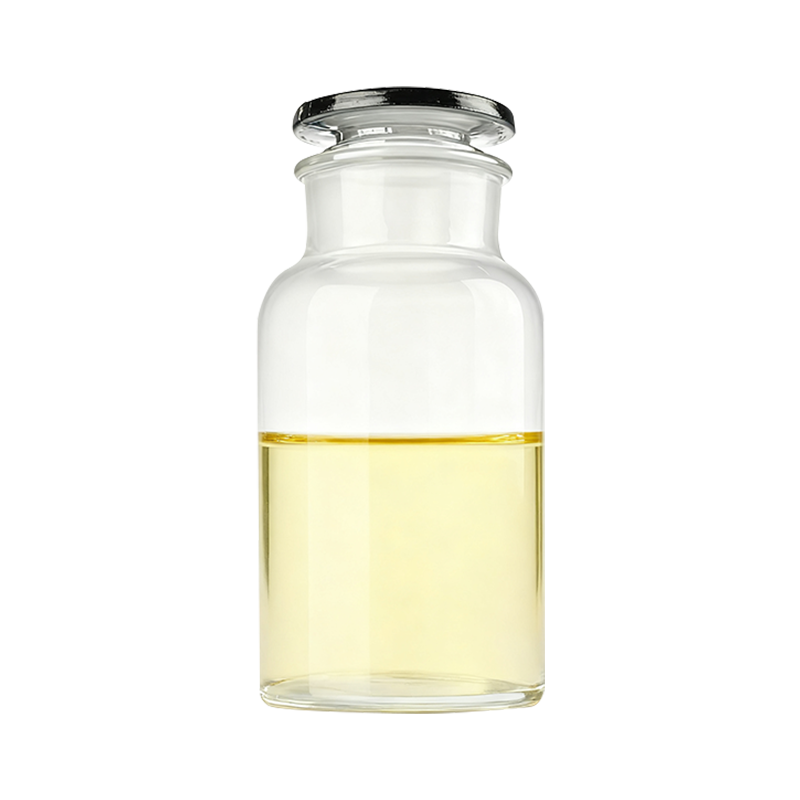
Epoxy additive

Home / Products / Epoxy additive

information to be updated

Form of matter
  • Solid state
  • Liquid state
  • Adjustable Formula
Glass transition temperature
  • 50-60℃
  • 60-70℃
  • 70-80℃
  • 80-90℃
  • 90-100℃
  • 100-110℃
  • 110-120℃
  • 120-130℃
  • 130-140℃
  • 140-150℃
  • 150-160℃
  • 160-170℃
  • 170-180℃
  • 180-190℃
Craft
  • APG
  • Vacuum casting
  • Potting
  • Coating
  • Casting
  • Impregnation
Application
  • Indoor and outdoor switches
  • Transformers
  • Mutual inductors
  • Electric reactor
  • Insulating tie rods
  • Curing at room temperature
  • High toughness, non-toxic and flame-retardant
  • Electrical components
  • For outdoor electrical insulation
Classification
  • Epoxy additive
  • Epoxy insulating glue
  • --Epoxy Resin Systems For HV Products
  • --Epoxy Systems for Dry-Type Transformers
  • --Epoxy Resin System for MV & HV Insulation Parts with APG Process
  • --Flame-Retardant Epoxy Resin Systems
  • --Epoxy Resin Systems for Electric Insulation of High Thermal Conductivity
  • --Epoxy Systems for CT/VT
  • --Epoxy Resin Systems Curing at Ambient Temperature
  • --Epoxy Resin Systems for Outdoor Electrical Insulation
  • --Epoxy Resin Systems for Electric Composite
  • --Flexible Epoxy Resin System
  • --Polyurethane Series Insulating Adhesive
  • PU insulating glue
  • Special filler
  • Auxiliary materials
Characteristics
  • Ultra-High Viscosity
  • Good adhesion
  • Good insulation
  • Low water absorption
  • UItra-Low-Temperature Resistance
  • Low-Temperature Resistance
  • Good electromechanical properties
  • Low partial discharge
  • Low viscosity
  • Flame- retardant
  • High crack resistance
  • Room temperature curing
  • Smooth surface
  • Low temperature rise
  • High TG
  • Long usable time
  • UV resistance
  • Fithy resistance
  • Goog processability
  • High thermal conductivity
  • Interfacial conductivity
  • Environmentally friendly
  • Safe
  • Flexible
  • Low stress
  • Crack-resistant
  • Resistant to thermal shock
  • Flame retardant
  • Low density
  • No sagging
Contact Us

Don't hesitate to send a message

[email protected] SEND MESSAGE

Epoxy additive

Epoxy resin materials are a class of products made from epoxy resin as the primary raw material and used in electronics and electrical applications. They mainly include APG casting epoxy resin, vacuum casting epoxy resin, impregnation/pultrusion/filament winding epoxy resin; indoor or outdoor epoxy resin; flame-retardant epoxy resin, high thermal conductivity epoxy resin, and room-temperature curing epoxy resin. These materials can be applied in the production of switches across voltage levels from low voltage to high/ultra-high voltage, as well as transformers, instrument transformers, electronic components, and composite materials.

News Updates
Follow news and information to stay informed about industry trends
  • 2025-09-11

    Founded on Sept.9th,1999, Xrun is a professional company of electrical insulation materials. With the advantage of speciality, Xrun focuses on R&D...

  • 2025-09-11

    The project "Epoxy Nanocomposites for Ultra-High Voltage Electrical Equipment and Key Application Technologies" is a national key research and develop...

  • 2025-09-11

    Our company has successfully developed a new type of high-toughness, non-toxic, and flame-retardant epoxy resin material. After third-party testing, t...

About Xrun Resin
Founded on Sept.9th,1999, Xrun is a professional company of electrical insulation materials. With the advantage of speciality, Xrun focuses on R&D of epoxy resin and polyurethane insulating glue as well as the production, serving for electrical facilities. There are two factories(located in Jiading District & Songjiang District in Shanghai, China) and an R&D Institute. With more than 100 employees, it adopts automatic production and digital management. So far, Xrun has supplied the market with more than 180 thousand tons of epoxy materials for electrical insulation. As a company in the field, Xrun has undertaken several national projects of the domestication of new epoxy materials for electrical insulation.
1999

“ From this year “

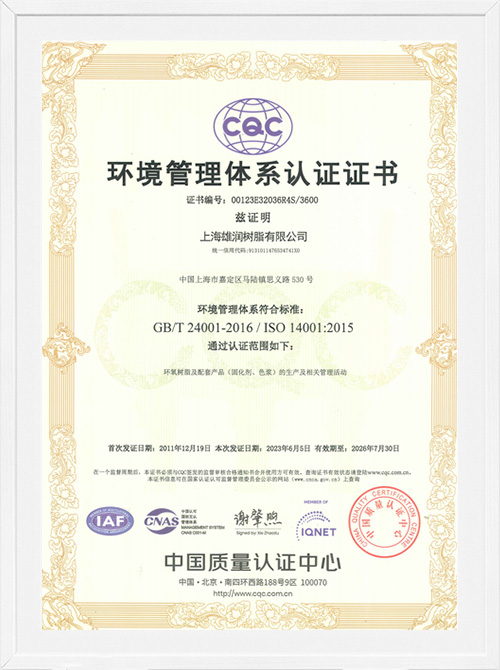
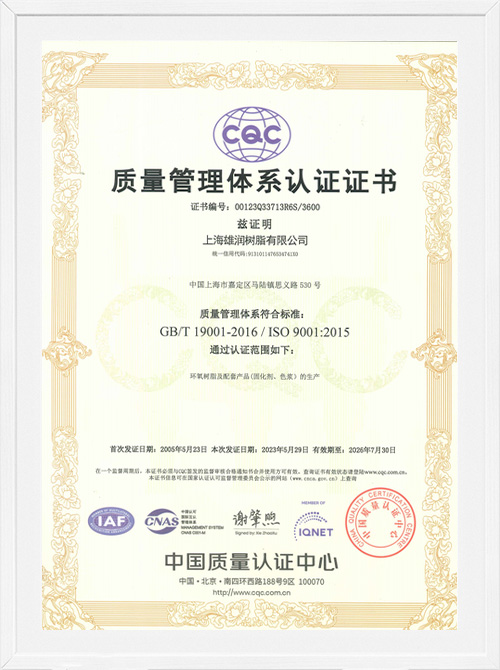
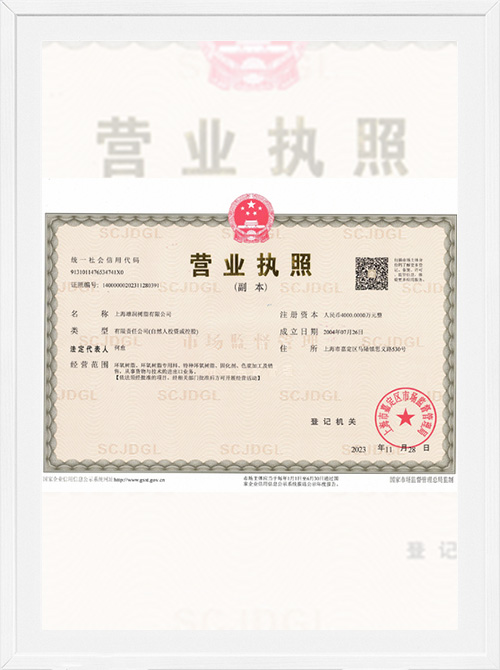
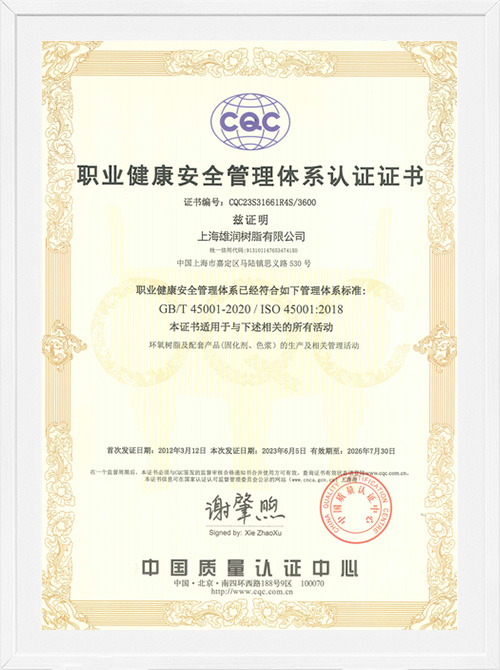
CERTIFIED BY
Certifications
INDUSTRY KNOWLEDGE
Industry Knowledge